A new study has called on the Malawi Government to implement urgent policy interventions to shield the economy from fuel price shocks triggered by the ongoing Middle East crisis.
The study by Centre for Agricultural Research and Development at Lilongwe University of Agriculture and Natural Resources has warned that unchecked volatility could undermine growth prospects and erode tax revenues.
It further found that gross domestic product (GDP), the broadest measure of economic growth, could decline by up to -1.63 percent while indirect tax revenues could fall by as much as -4.95 percent.

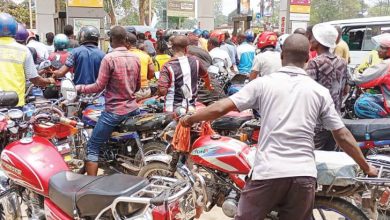
in the price of fuel. | Nation
The study further notes that from a policy perspective, the findings imply that mitigating the macroeconomic fallout of petroleum price shocks requires a combination of short-term stabilisation and long-term structural reforms.
Reads the study in part: “In the short-run, targeted fiscal measures such as temporary subsidies for critical sectors or social protection for vulnerable households could help cushion welfare losses without excessively distorting markets.
“At the same time, monetary and exchange rate policies need to carefully balance inflation control with maintaining external competitiveness.”
Reacting to the study on Sunday, economist Milward Tobias said while the most effective measure to cushion people and the economy is suspension or reduction of fuel taxes and levies, authorities need to act quickly to limit the spill-over effects on households and businesses.
“The findings clearly show a contractionary shock, so policy must focus on stabilising demand and protecting incomes,” he said.
Scotland-based Malawian economist Velli Nyirongo said in an interview on Sunday that targeted interventions could help balance economic support with fiscal discipline.
“To protect vulnerable households while preserving fiscal stability, the government should adopt targeted social assistance such as cash transfers or food support,” he said.
Nyirongo said strengthening tax administration can help to reduce leakages while broadening the tax base.
According to the study, with fuel increases of between 10 to 50 percent, GDP declines by about -0.11 percent to -1.63 percent while indirect tax revenues drop by -0.85 percent to -4.95 percent as lower consumption and imports shrink the tax base.
The K11 trillion 2026/27 National Budget is built on a fiscalised GDP growth projection of 4.1 percent, an inflation target of 15 percent at the end this fiscal year on March 31 2027, nominal GDP of K31.5 trillion and a policy rate of 18 percent.
Minister of Finance, Economic Planning and Decentralisation Joseph Mwanamvekha earlier signalled limited room for immediate relief despite mounting public pressure to lessen the burden brought about by a raft of tax measures.
Minister of Energy and Mining Jean Mathanga told journalists in Lilongwe on Thursday that government will stick to fuel levies in the fuel price build-up as rolling them back could undermine road rehabilitation and long-term energy investments.
Fuel levies now account for roughly 28 to 33 percent of pump prices.
Effective April 1, the Malawi Energy Regulatory Authority raised the price of petrol and diesel by 34 percent due to the Middle East conflict.