Donors have expressed satisfaction with the impact of social safety net initiatives under the Social Support for Resilient Livelihoods Project (SSRLP) for transforming people’s livelihoods.
The project, funded by the World Bank and the Multi-Donor Trust Fund supports Social Cash Transfer Programme and Climate-Smart Enhanced Public Works Programme (CS-EPWP), among others, empowers vulnerable communities to graduate from abject poverty.
On Saturday, SSRLP senior social protection specialist and co-task team leader Ivan Drabek visited Mwanza District to appreciate the impact of the social protection interventions.
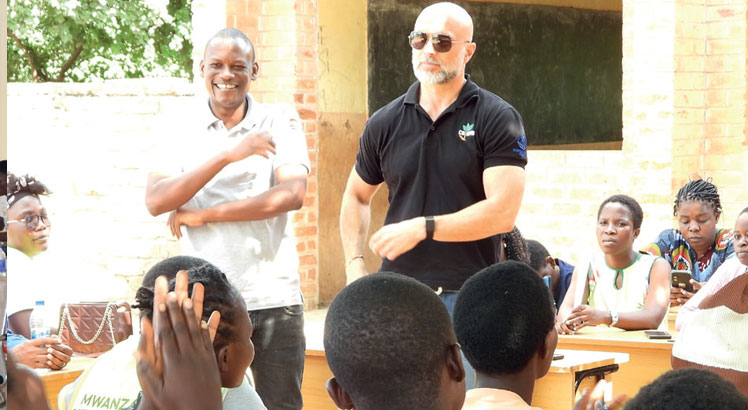
In an interview after interacting with beneficiaries at group village head Thambala under Michiru Catchment Area in Traditional Authority Kanduku, he said he was impressed with how participants are using the support to improve their livelihoods.
“What we have seen is encouraging. Beneficiaries are investing in productive assets, improving household welfare and building resilience. These are some of the intended outcomes of the programme,” said Drabek.
He also acknowledged concerns raised by community members over fears that CS-EPWP may come to an end, low stipends and calls to increase beneficiary enrolment.
“We have noted the concerns and they will be taken into consideration. Such feedback is important in strengthening implementation and informing future decisions,” said Drabek.
One of the Social Cash Transfer Programme beneficiaries, Elifa Macheke, with four children, said she used her stipend to construct a house and bought two goats in 2022 which have multiplied to seven.
“Life was difficult, but through the support I am now out of poverty,” she said.
Mwanza district commissioner January Watchman Mvula said the programme is yielding results. He called for a multi-sectoral approach among council departments to ensure the district meets targeted participants and beneficiary numbers.
“These interventions are making a difference in communities. We need collective efforts to sustain the gains,” he said