For a long time, Khumbo Samson, 12, kept quiet. At her former school in Lilongwe, she was beaten and had her food snatched by bullies.
There were no platforms for learners to speak out, no safe spaces to share their struggles and no peers leading conversations about mental health or well-being.
“When I was being bullied, I never spoke,” Khumbo says. “There was no initiative like the learners’ council.”
When she moved to Sungusya Primary School in Mangochi, she joined a learners’ council— a turning point not only for the girl, but also her peers.
What began as a personal chance to heal quickly grew into a mission to support others.
“We openly talk about bullying and stress,” she said. “If someone is struggling, we don’t laugh. We encourage them to speak out and help them find support. Our school feels safer and more supportive.”
Khumbo’s story reflects a youth-led movement across Mangochi where adolescents are no longer passive recipients of health messages.
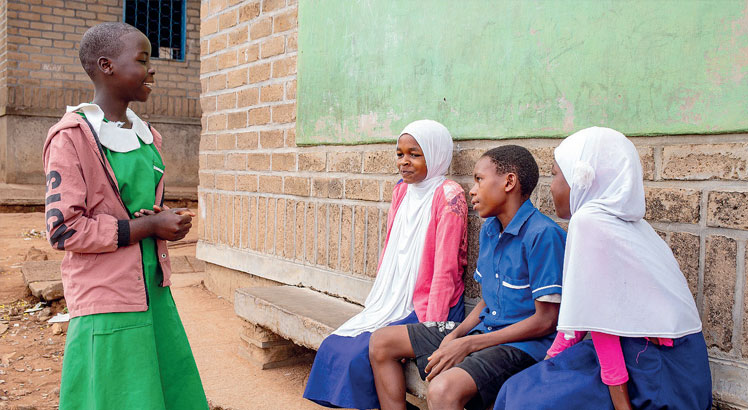
They are leaders shaping conversations on mental health, alcohol use, bullying and non-communicable diseases (NCDs).
Unicef Malawi, in partnership with Development Communications Trust, is supporting youth-led initiatives like Malindi Youth Network to empower persons aged 10 to 19 to prevent NCDs and reduce future maternal health risks.
The project, implemented in Karonga, Kasungu, Mangochi and Nsanje districts, places adolescents at the centre as leaders, advocates and first responders for their peers.
Sungusya Primary School Learners’ Council matron Mercy Kapanda says bullying and cruelty deeply affect learners, often leaving them afraid and discouraged to attend school regularly.
Through the council, learners now facilitate discussions on mental health, alcohol and smoking prevention, respectful behaviour and peer support.
“The learners council gives them a safe voice,” she says. “Issues like bullying, harassment and other challenges that push learners out of school are identified early and addressed with care.”
For learners, this support has been life changing, turning silence into confidence and fear into leadership.
The initiative’s impact extends beyond classrooms. Size James, once known in the community for alcohol use, is now a change agent, openly sharing his journey toward healthier choices.
“I didn’t know alcohol could affect my future health,” he says. “Now I talk to other youths so they don’t repeat my mistakes.”
For 15-year-old Fazila Majolo from Malemia Village, youth engagement may have changed the course of her life.
Her parents had already identified a man for her, but through awareness sessions, she learned about her rights, the risks of early marriage and where to seek help. She stayed in school.
At the heart of Mangochi’s progress are trained youth ambassadors who use their voices and lived experiences to influence positive behaviour.
Patuma Chimwala of Malindi Youth Network, mobilised fellow youths across Sungusya and surrounding communities.
“Being young people ourselves, our peers listen to us,” she says. “We talk openly about alcohol, smoking, mental health and gender-based violence. We also show them where to go for help.”
Malindi Youth Network chairperson Manford Rafiq says they work with 32 youth clubs and village development committees, using interactive drama and dialogue sessions to spark conversations about the silent struggles many adolescents face.
Their work is strengthened by close collaboration with district structures, ensuring messages are relevant and technically sound.
The youth ambassadors receive ongoing technical guidance from the district NCD coordinator Goche George.
Between October and December 2025, about 60 youth ambassadors, including 18 from Mangochi, were trained in mental health awareness, early identification of symptoms and referral pathways.
Their efforts helped reach about 35 000 adolescents with improved knowledge on mental health and NCD risk factors.
“When adolescents understand how today’s behaviours affect their future health, they are more willing to change,” Goche said.
Health workers at St. Martin’s Hospital report an increase in early identification and referrals for mental health concerns and NCD related conditions.
Health surveillance assistant Juma Chikunga says youth involvement is strengthening community health outcomes.
He says: “Adolescents are coming to health facilities sooner because of the strong awareness on mental health and NCDs.
“Early identification means better outcomes and less long-term harm.”