Demands are piling up for the Malawi Government to account for the savings made from austerity measures introduced in November 2025 and modified in President Peter Mutharika’s February 2026 State of the Nation Address (Sona).
But while stating that it is successfully implementing expenditure control measures and that at the close of the 2025/26 financial year on March 31 2026 there were “huge savings” from both Recurrent and Development Budget, Ministry of Finance, Economic Planning and Decentralisation is coy on how much has been saved.
In separate interviews, accountability and governance commentators told The Nation that the government would do well to update the nation on the savings made and how they have been used.
Centre for Social Transparency and Accountability executive director Willy Kambwandira yesterday said the lack of information on savings could send a picture that the measures have not reaped the desired results.
He claimed that talk about austerity measures has been reduced to a public relations slogan, and the continued secrecy confirms that the measures are more cosmetic than substantive.
Said Kambwandira: “The reality is that the austerity measures have suffered credibility setbacks, and there is nothing to celebrate about them.
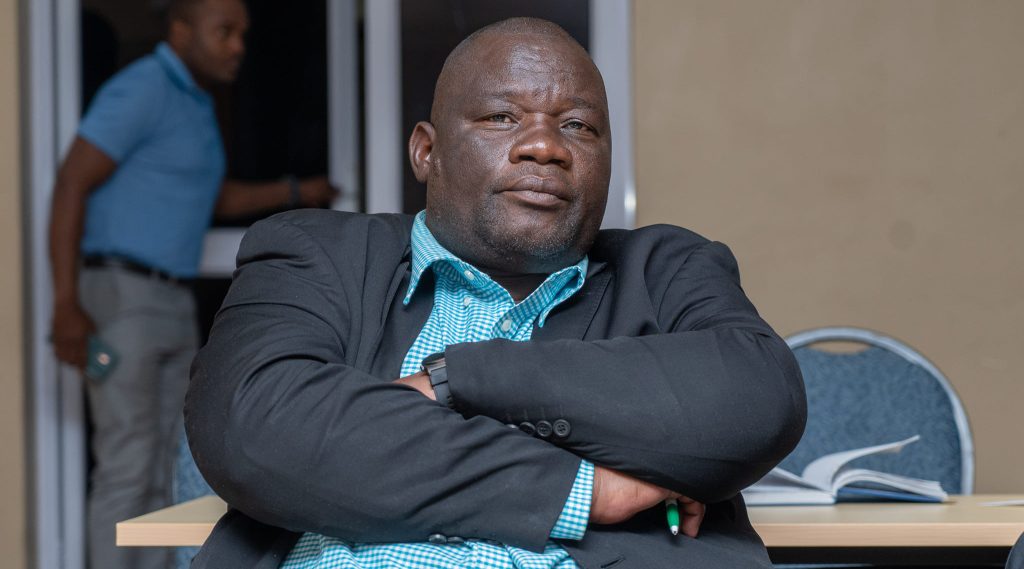
have helped. | Nation
“There is very little for Malawians to celebrate about the so-called austerity measures because the government has failed to demonstrate with facts and figures, the actual savings achieved and how those savings have improved citizens’ welfare.”
Recently, Consumers Association of Malawi executive director John Kapito also wrote the Office of the President and Cabinet (OPC) and Treasury seeking clarification and supporting documentation on the quantified fiscal impact of the measures.
He said such information should include gross savings realised to date, disaggregated by major expenditure categories such as international travel, workshops, allowances, vehicles and procurement rationalisation.
Reads the communication in part: “It would be important to understand the net savings that have accrued to the national budget after accounting for any offsetting costs, enforcement-related expenses, or substitution effects, as well as how these realised savings compare against the baseline expenditure projections that existed prior to the issuance of the expenditure control circulars.
“…clarification is requested on whether these resources were directed towards debt service and arrears clearance, social protection and essential service delivery, capital expenditure and growth-enhancing investments, or deficit reduction and the rebuilding of fiscal buffers.”
In a separate interview yesterday, governance pundit George Chaima also stressed that in the absence of concrete figures, it is hard for citizens to gauge the effectiveness of these measures.
He said: “The lack of openness about savings and resource allocation can lead to scepticism and mistrust. People need to see tangible results and understand how their sacrifices are being utilised.
“Malawians can appreciate more with quarterly publication of reports on savings achieved and how resources are being allocated. Without evidence, Malawians will choose doubt over trust for their government.”
But in a written response to a questionnaire, Treasury spokesperson Williams Banda said the savings are largely due to a freeze on procurement of high-value assets, reduced travel and suspension of non-priority recruitments in the public sector.
He said: “The savings are used in reducing the budget deficit and government borrowing, not for new activities.
“Furthermore, the measures have helped to improve macroeconomic fundamentals such as inflation going down, interest rates going down and primary balance.”
Banda said with implementation of the K10.9 trillion 2026/27 National Budget that rolled out on April 1 2026, funding for high-value assets will be made when proper justification has been made and approval from the OPC has been granted.
He said: “In addition, only budgeted and priority recruitments will be funded in key sectors such as health, education, agriculture and local councils. No officer will be required to travel abroad without following approval processes.
“In terms of compliance, most entities are implementing the expenditure measures and where necessary they are required to seek waivers from the Office of the President and Cabinet.”
Responding to the concerns on accountability, Minister of Finance, Economic Planning and Decentralisation Joseph Mwanamvekha said details will be provided during the mid-year budget review for the 2026/27 fiscal year slated for September.
“We will show the revenues that have been collected and the savings that have been made. It will show how much expenditure that we have cut or savings that we have made,” he said.
The austerity measures include restricting publicly-funded foreign travel for public servants to only “extreme” essential trips approved by the Chief Secretary to the Government, maintaining a moratorium on the procurement of new government vehicles and suspending recruitment except in critical services.
Fuel entitlements for public officers, including Cabinet ministers and senior government officials, remain reduced by 30 percent.