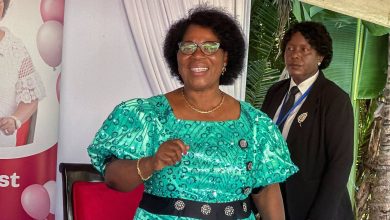
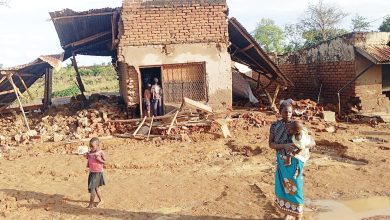
Voices of Women with Disabilities has called for action to tackle gender-based violence against women and girls with disabilities in Machinga after a study showed that family members and caregivers are among the leading perpetrators of abuse.
The findings, presented during a stakeholders’ meeting at Machinga District Council on Friday, show that physical assault by family members accounted for 38 percent of the 147 cases documented between January 2025 and May 2026.
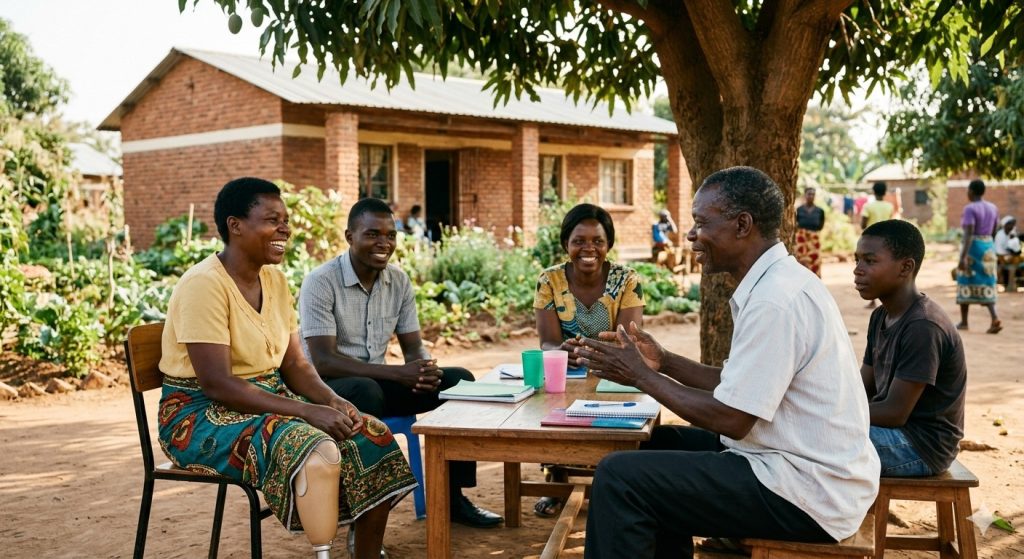
The study further found that 25 percent of the cases involved sexual exploitation by caregivers while 19 percent of the cases were linked to economic violence, including theft of disability grants. Emotional and psychological abuse accounted for 18 percent of the cases.
Presenting the report, the organisation’s executive director Esther Mbite said many survivors remain trapped in abusive situations because they depend on their abusers for care and support.
“The perpetrators or the ones violating the rights of women and girls with disabilities are family members or guardians. Since there is no independence among many women and girls with disabilities, they fail to report because they fear they may be chased from their homes or denied care,” she said.
Mbite said the study also established that limited knowledge of rights among women and girls with disabilities was contributing to underreporting of abuse.
The report says barriers to justice and protection include lack of sign language interpreters, absence of disability-disaggregated data in reporting systems, inadequate staff training on disability inclusion, fear of retaliation from family members and limited confidential reporting mechanisms.
Mbite said communication challenges continue to undermine access to services for people with hearing impairments.
Asurvivor from Traditional Authority Mposa in the district, Agnes Friday, backed the findings and called on authorities to strengthen protection mechanisms.
Machinga District Hospital youth friendly health services coordinator Ken Mkandawire acknowledged the challenges, saying the absence of sign language interpreters in health facilities limits access to healthcare for people with hearing impairments.