African journalists have been urged to intensify scrutiny on the continent’s growing debt burden, illicit financial flows and governance failures.
African Forum and Network on Debt and Development (Afrodad) interim executive director Theophilus Yungong Jong made the remarks on Monday when he opened a three-day Sixth Edition of the Afrodad Media Initiative (Afromedi VI) in Nairobi, Kenya.
He called on journalists to be curious, take the story home, network and ask duty-bearers difficult and pertinent questions on public debt.
“What we are saying is this: the decisions that shape the lives of hundreds of millions of Africans—decisions about how much to borrow, from whom, on what terms and at what cost to public services—these decisions happen whether or not the public is watching.
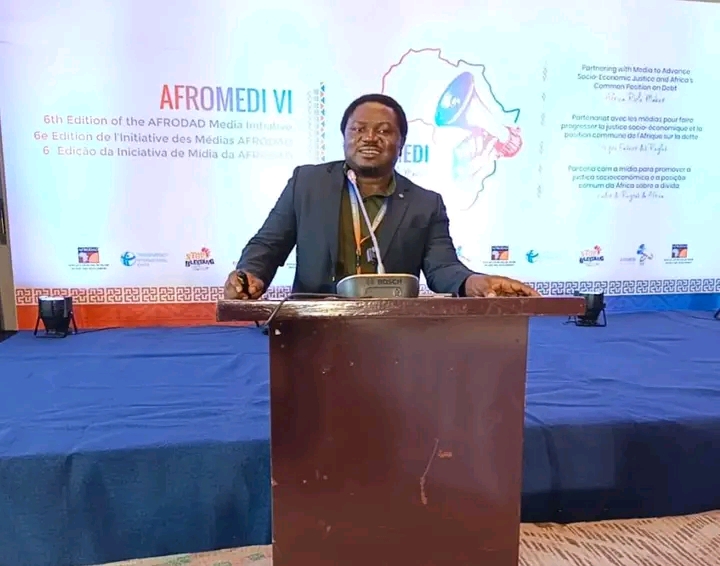
“But here is the truth: when the public watches, things change. When voters ask questions, politicians answer. When citizens understand what was promised in their name, they demand accountability. And when journalists illuminate what would otherwise remain hidden, the powerful can no longer act with impunity,” said Jong.
In his remarks, Transparency International (TI) Kenya head of programmes Gibson Mwaita urged journalists to be vigilant, saying Africa stands at the intersection of governance challenges, debt vulnerability and rising demands for socio-economic justice.
He said: “A majority of African countries are spending more on debt servicing as they are nearing or already at a high risk of debt distress, hence less resources are spent on public services such as education, health, infrastructure and social protection.”
Mwaita said ironically Africa is the richest continent in terms of resources.
“It is rich with both human and natural resources that are untapped to their full potential. It is ironical that with such wealth, Africa is still in debt, has weak governance systems, faces illicit financial flows and has weak financial structures,” he said.
One of the participants, Malawian journalist Winston Mwale encouraged fellow journalists to put a human face on their stories to make an impact.
He said: “As journalists, we must move beyond cold statistics and humanise the debt crisis because behind every percentage and trillion kwacha lies real suffering—mothers without medicines, children out of school and families pushed deeper into poverty—and journalists have a duty to tell these human stories so the public demands real change.”
Launched in 2021, Afromedi has so far drilled over 600 journalists from 37 countries.
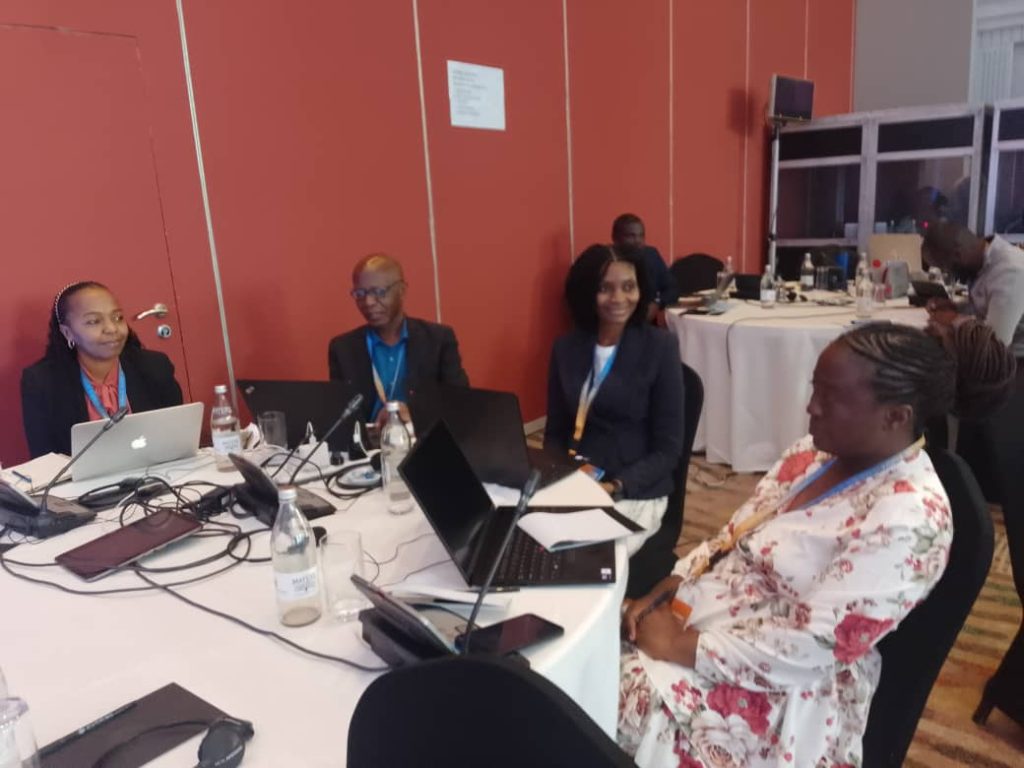
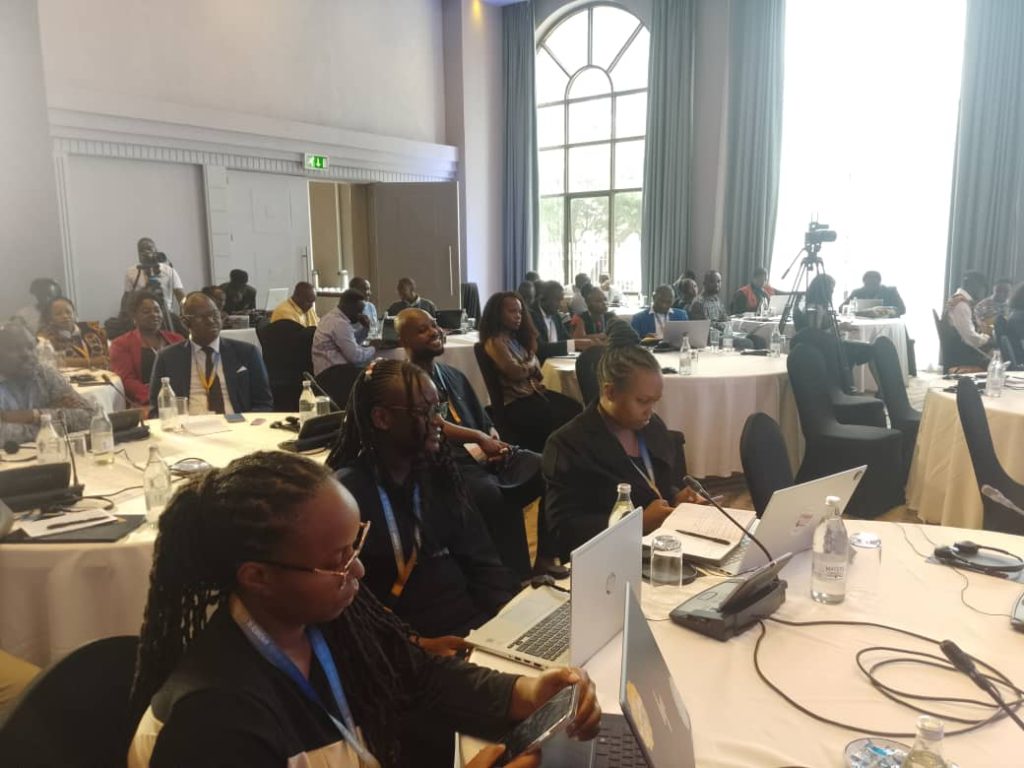
This year, the initiative, which will run from Wednesday to Friday under the theme ‘Partnering with Media to Advance Socio-economic Justice and Africa’s Common Position on Debt’, has brought together 45 journalists from 29 African countries.
The workshop is being hosted by Afrodad in partnership with TI Kenya and Stop the Bleeding campaign.