Belgian medical student Anais Hublet from Maastricht University has organised a free cervical cancer screening exercise for women in eight health facilities under Karonga Diocese of the Catholic Church to promote early detection and treatment of the disease.
She said during the launch of the exercise on Monday that the screening will run from June 1 to 19 and will encourage women to know their cervical cancer status and seek treatment early.
Hublet, who is working under Tauli Organisation, said cervical cancer remains one of the leading causes of death among women in Malawi because many cases are detected at advanced stages when treatment becomes difficult and expensive.
“Women should take advantage of this free screening exercise because cervical cancer often does not show symptoms until it is too late. Early detection saves lives and reduces treatment costs. The disease is killing many women in Malawi and this can be prevented through regular screening,” she said.
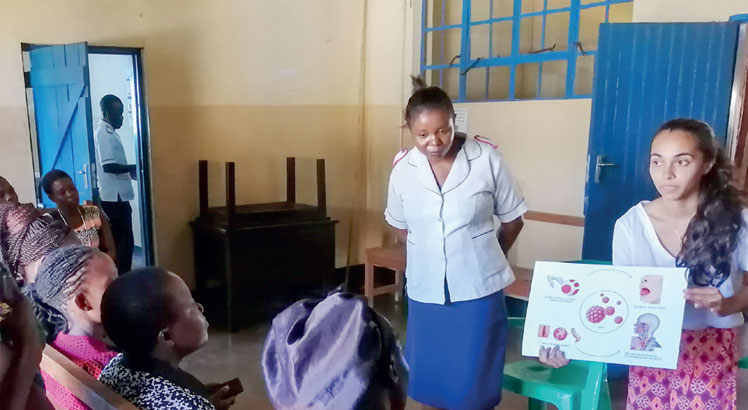
Hublet said she became aware of the high number of cervical cancer cases in Malawi and decided to take action after previously visiting the country.
“I learnt that Malawi is registering many cervical cancer cases. Since I had been here before, I contacted Lusubilo Community Care of the Karonga Diocese to help organise this initiative so that more women can access screening services,” she said.
Hublet said the programme has been made possible through a grant of 2 000 euro from a group of gynaecologists in her native Belgium called CRGLFB.
One of the beneficiaries, Elise Msiska from Mwambuli Village, commended the exercise, saying it has provided women with an opportunity to access a potentially life-saving service free of charge.
“It is important for women to go for cervical cancer screening because it helps detect the disease early before it becomes serious. Many women fear screening because they do not have enough information, yet it can save lives,” she said.