Today is International Day of Hope in recognition of the mental fortitude that keeps the world turning. Our News Analyst WYCLIFFE NJIRAGOMA hops into a clinic that is restoring young people’s hope amid heartbreaks that defy their age:
On designated Fridays, teens arrive carrying babies and heavy secrets that crash their peace of mind.
A 15-year-old girl impregnated by a relative who was supposed to protect her. An adolescent living with HIV while raising a child. A brave boy who reported sexual assault. Dozens more carry heartbreaks no stethoscope can detect.
They gather at Raine’s Clinic in the populous Mtandire slum in Lilongwe, not because they are sick, but in search of something many people take for granted: hope.
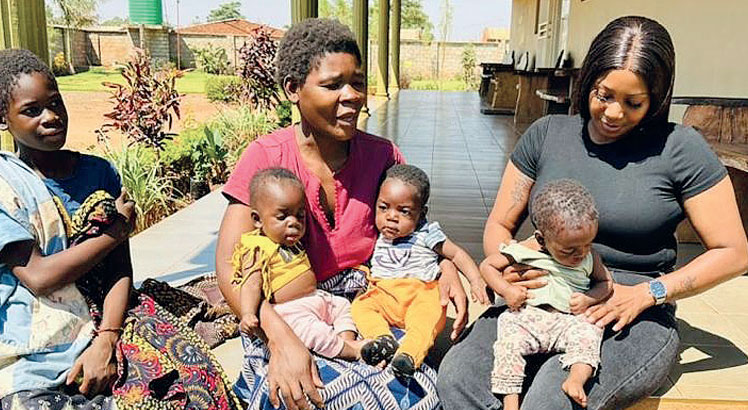
“We thought they needed treatment, but discovered that many needed somebody to give them an ear and believe their lives were not doomed,” says clinic lead Tusekile Mwalwanda.
Raine’s Clinic has been providing free healthcare to underserved communities since its inception in 2023.
However, the people dropping in bring more than physical illnesses.
Common cases include tales of sexual abuse, girls becoming mothers too early, minors pushed into illicit marriages, children forced out of school by poverty and young people carrying emotional scars of substance abuse.
Today is the International Day of Hope designated by United Nations to promote hope as a force for resilience, mental health awareness and building peace across communities.
This year’s theme, ‘Celebrating resilience and positive action’, celebrates hope not just as a passive feeling, but as a measurable, teachable and scalable skill that the world needs in abundance.
The free clinic in the capital city’s most densely populated settlements quietly confronts a difficult question: What happens when children lose hope before they are old enough to make big decisions about their lives and the world around them?
The stories unfolding inside the clinic reflect a national challenge.
The 2024 Malawi Demographic and Health Survey shows that 42 percent of girls marry before their 18th birthday, the minimum marriageable age.
According to the nationwide findings, 32 percent of girls get pregnant before reaching 19.
The burden is higher in rural areas and informal urban settings, where poverty robs many children of opportunity.
The World Bank estimates that eight in 10 Malawians live below the international poverty line of $3 a day.
The chilling effect is that these pressures fuel school dropout, exploitation, rights violations, substance abuse and mental agonies, leaving many young people vulnerable way before they reach adulthood.
Two months ago, the clinic launched a safe space where young people speak openly about their struggles, learn life skills and find pathways back to education, care and support.
The first session in May attracted about 20 children.
Today, over 150 attend regularly.
To psychotherapist Catherine Thangalimodzi, the demand lifts the lid on both the youth’s vulnerability and deep trust they place in safe havens where they can share their inner sorrows without worrying about intruders and reprisals.
“The surge shows many children, especially girls, continue to experience abuse, violence and poverty. It also confirms that children are willing to seek help when safe and trusted spaces exist. Protecting children is everyone’s responsibility,” she says.
Raine’s Safe Space links survivors to the necessary support and service providers, including police’s victim support units and hospital-based safe spaces.
It encourages school dropouts to return to class in line with the national readmission policy and reminds teen mothers that childbearing does not have to end their dreams.
This has helped Esther, 16, realise that although emotional wounds often outlast physical injuries, restored confidence gives children in agony a better chance to rebuild their futures.
“I lost hope when my uncle sexually abused me,” she says. “I felt my life was over, but I want to go back to school because the safe space helped me realise that my life won’t be defined by my past.”
Gender activist Lingalireni Mihowa says the community initiative demonstrates the value of survivor-centred support and care.
She states: “Healing requires more than medical treatment, but such initiatives remain rare even though the government recognises psychosocial support as a key pillar in the fight against sexual and gender-based violence.
“Children need spaces where they can speak without fear, receive psychosocial support and reconnect with education. That comprehensive approach gives them a real chance to thrive.”
Every Friday, the safe space offers children—the future of the troubled world—a reason to hope for a better tomorrow.