Admarc says it is keeping about 22 500 metric tonnes (MT) of maize as part of a strategy to cushion Malawians from possible food shortages during the forecasted El Niño conditions.
Agricultural Development and Marketing Corporation (Admarc) spokesperson Theresa Chapulapula, speaking in an interview on Friday during a media tour at Liwonde Division in Machinga, said the corporation is balancing the need to sell maize with maintaining strategic stocks for vulnerable households should the country experience reduced harvests due to El Niño.
She said the corporation is also mindful of prevailing market conditions, noting that maize remains available through various suppliers, allowing Admarc to release its stocks gradually.
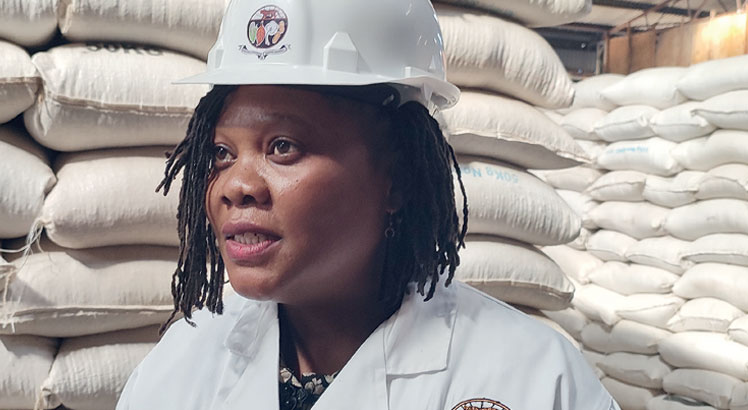
maize. | Jonathan Pasungwi
Said Chapulapula: “We are also taking advantage of the maize prices on the market. People are able to buy maize and it is also available. That is why, as a company, we are selling the maize consciously to make sure that when people need the maize it is available to them even if the country is experiencing El Niño conditions.”
She also assured Malawians that the maize it is keeping was acquired during the 2024 and 2025 harvesting seasons and is of high quality.
But Consumers Association of Malawi executive director John Kapito has questioned the wisdom of keeping such large volumes in storage when releasing the grain now would help lower the prices further.
While appreciating the need for strategic food reserves, he also raised concerns about Admarc’s capacity to preserve the maize, citing previous cases where their stored grain deteriorated before reaching consumers.
“I think the issue of withholding maize in their stock is not advisable. If that 22 500 MT is flooded on the market now, it will even make maize on the market cheaper and accessible for consumers,” said Kapito.
According to the World Meteorological Organisation (WMO), there is an 80 percent chance that El Niño conditions will develop between June and August, rising to a 90 percent probability thereafter.
WMO secretary-general Celeste Saulo warned that the phenomenon could rank among the strongest in recent years, posing significant risks to agricultural production and food security in countries that largely depend on rain-fed agriculture, including Malawi.