Malawian artists with disabilities are set to gain greater visibility in the creative industry courtesy the Disability Is Not Inability (DiNi) initiative by Maso Awards.
The initiative seeks to challenge stereotypes and create more inclusive spaces for artistic expression.
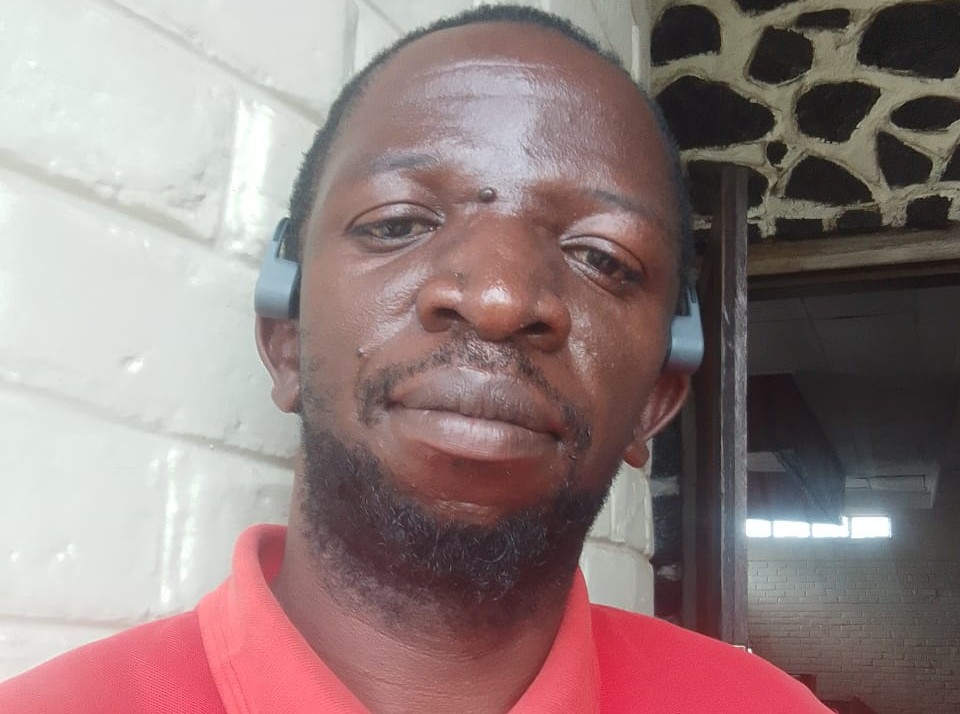
Maso Awards unveiled the project this year using digital platforms, performances and planned support programmes to showcase the talents of artists with disabilities in music, visual arts, poetry and other creative fields.
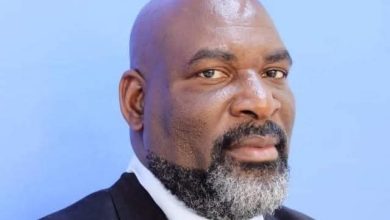
Speaking in an interview with Malawi News Agency on Wednesday, Maso Awards chief executive officer Augustine Mukisi said the initiative was created to change perceptions about disability by highlighting the abilities and creativity of artists who are often overlooked.
He said DiNi is running through three platforms namely DiNi Stage, featuring artists with disabilities on social media, DiNi Fest, a festival that dedicates space for performances and a charity to mobilise resources to support artists through crowd-funding.
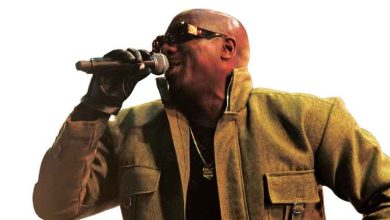
“We want to spotlight artists with disabilities in music, visual arts, poetry and other creative fields. We have already started featuring the artists on our social media platforms We have already started featuring the artists on our social media platforms, beginning with musician Captain Thomas from Blantyre and we are scouting more artists across the country,” said Mukisi.
He said preparations for DiNi Fest are progressing with support from partners and sponsors, adding that details of the charity initiative will be announced once the crowd-funding platform is finalised.
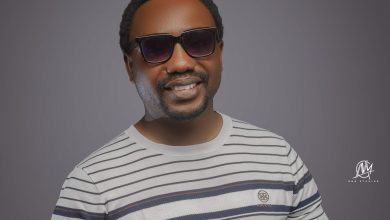
Blantyre-based poet Isaiah Mkwaila, who has hearing impairment, said the initiative provides hope for artists who continue to face barriers in accessing opportunities within the creative sector.
He said many events remain inaccessible to artists with hearing disabilities due to the absence of sign language interpreters, while limited publishing opportunities and public misconceptions continue to affect their participation.
“There are also limited opportunities for artists with hearing disabilities to publish or showcase our work and many people underestimate our abilities because of our disability rather than appreciating our talent,” said Mkwaila.
He called on organisers of arts events to make inclusion part of their planning by engaging sign language interpretors.
Mkwaila also urged stakeholders to invest in mentorship programmes, funding opportunities and stronger connections between artists, publishers and audiences, saying changing attitudes towards people with disabilities is essential for meaningful inclusion in the creative sector.