Women’s rights organisations are lobbying for the introduction of gender quotas, including reserved parliamentary seats to reverse the decline in women’s representation in Parliament and local councils.
The organisations want Malawi to revisit a proposal made ahead of the 2019 Tripartite Elections to reserve 28 parliamentary seats for women, with one seat allocated to women in each district.
The proposal will see the reserved seats added to the existing constituency seats, guaranteeing women representation in Parliament.
The lobbyists made the demand yesterday during a stakeholders’ meeting at the United Nations Development Programme (UNDP) offices in Lilongwe where women-led organisations and advocates met to develop a position paper based on findings of a post-election review.
The position paper will be presented to the Malawi Electoral Commission (MEC) chairperson as part of efforts to push for electoral reforms aimed at strengthening women’s participation and representation.
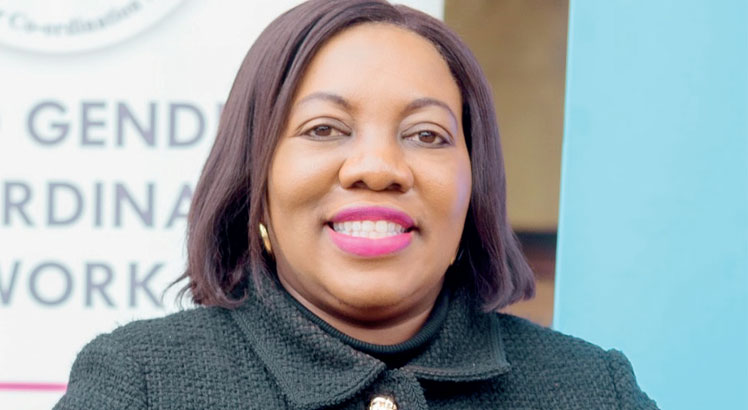
NGO-Gender Coordination Network (NGO-GCN) board chairperson Maggie Kathewera Banda said the absence of legal provisions guaranteeing women’s participation in elective positions remains one of the major barriers to their representation.
“There are so many issues hindering women from participating. We don’t have a legal provision that guarantees women’s participation in elective positions and there are also issues to do with finances, as women candidates sometimes do not have the resources to mount effective campaigns,” she said.
Kathewera Banda said quotas should be accompanied by measures to build the capacity of women candidates, promote gender-inclusive political parties and prevent violence against women in politics.
She said Malawi could draw lessons from other African countries that have introduced quotas and made progress in women’s political representation.
Kathewera Banda said renewed engagement among political parties and other stakeholders ahead of future elections presents an opportunity to advance reforms that could improve women’s representation.
In a separate interview, UN Women Malawi deputy country representative Fatma Mahomed said the meeting was important in bringing women-led organisations and advocates together to strengthen their collective voice on women’s political participation.
She said the demands were timely because women’s representation in Parliament and local councils has declined, making collective advocacy necessary.
Mahomed said UN Women would continue working with stakeholders to promote inclusive political participation, particularly for underrepresented groups such as young women and women with disabilities.
The initiative, supported by UN Women, brought together representatives of women-led organisations and women’s rights advocates.
Women remain underrepresented in political leadership despite initiatives such as the 50-50 campaign and provisions in the Gender Equality Act, which requires representation of between 40 and 60 percent of either gender.
In the September 16 2025 General Election, 49 women were elected to the Parliament, securing approximately 21.3 percent of the seats and falling short of the 35 percent target. However, the number may reduce as some of the constituencies held by the women had their results nullified by the courts.
During the 2009 General Election 42 women made it to Parliament, representing 22 percent female representation and in 2014, the representation dropped to 32 women or 16 percent while in 2019, 45 women were elected as MPs, representing 23 percent of 193 parliamentary seats.