With a baby strapped on her back, Juliana Shumba hits the road before daybreak when Limbe Market in Blantyre City gets busy.
In her hands is a small basket of masawu wild fruits that she sells all day.
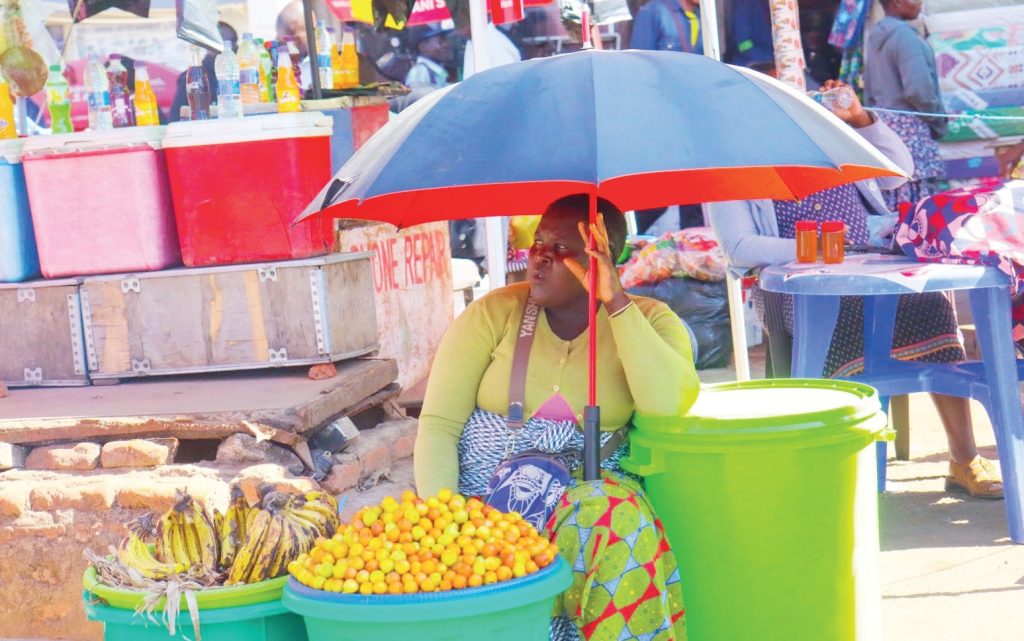
She walks from one street to the other, looking for buyers in unlikely places.
There is no shop for her Indian jujube business. No modern transport. Not even a permanent place to sit and sell. Her capital may be only K15 000, but her earnings are not small change. She makes enough profit to feed her family, keep her children in school and return with a new stock the next day.
For women such as Shumba, selling small, small things is a daily struggle to keep their families afloat.
Their meagre earnings determine whether their families eat or starve.
Shumba recounts: “Sometimes, I walk for hours just to find customers. If I do not sell, there is nothing to take home.
“My business capital is small, but I have to make it work because my children depend on me.”
Feeding their families
Every morning, women across Malawi leave their homes carrying the products they hope will put food on the table.
Some walk from villages to trading centres while others hop from one neighbourhood to another looking for customers.
They carry tomatoes in buckets, bananas in baskets, vegetables on their heads and babies on their backs.
Their businesses may look small, but the burden they carry is anything but negligible. They mirror strength of women, who contribute 80 percent to Africa’s food basket.
For Liviness Nyali, the journey to the market begins at 4:30am.
Before leaving, she prepares food for her family, dressed her children and arranged the goods she will sell.
Then comes the long walk in opposition to poverty and dependency.
With her baby on the back and a basketful of tomatoes, bananas and other fresh produce on her head, she joins other women on the uncertain journey that takes them to fenced homes and congested markets.
There is no guarantee she will sell everything. Sometimes, the fresh harvest perishes in the sun, but she refuses to give up because her family depends on it.
“One day, I woke up early and returned home late in the night, but I walked in vain. I returned home with almost everything I had ordered that morning and they were rotting,” she laments.
Perishing hopes
The perishing tomatoes and overripe bananas left her devastated.
“It broke my heart because I had lost hours and my money on goods no one wanted to buy,” she says. “I was already thinking about how I would find capital to start again the next day.”
Such losses constitute serious setbacks for informal women traders. When goods do not sell, they lose businesses and incomes that could have paid for food, school expenses or the next day’s stock.
Walking long distances while carrying goods and a child leaves a woman drained.
The physical burden is only part of her story.
“Sometimes, the body tells me to stop it, but I still wake up the next morning and do it again. If I stay home to rest, my children will starve,” says Nyali, who has no one to care for her baby.
According to Small Scale Business Operators Association of Malawi general-secretary Joseph Buluzi, women form the backbone of Malawi’s informal economy.
However, many toil for hand-to-mouth survival due to low capital and unaffordable business loans.
“When a woman has only a small amount of money to invest, her ability to buy goods in bulk, expand her business, withstand losses and access loans is severely limited,” he says.
Buluzi says access to appropriate financing, business training, markets and social protection could help women graduate from surviving hand-to-mouth to building sustainable businesses.
Empowering partnerships
Graca Machel Trust advocacy manager Juliet Kimotho says special partnerships with banks and other financial institutions are improving women entrepreneurs’ access to collateral-free loans for business growth.
“Such partnerships are breaking a common perception that women are high-risk borrowers,” she said during Comesa Federation of Women in Business (Comfwb) meeting in Lilongwe early this month.
According to Comfwb Malawi Chapter chairperson Selina Mwenelupembe, the partnerships also strengthen financial institutions’ confidence in enterprising women, especially their creditworthiness.
However, women such as Shumba and Nyali continue to work with what they have.
The next morning, she wakes up, prepares her goods, ties her baby to her back, picks up her merchandise and walks all over again to fend for her dependents.
Behind every basketful she sells on the move is a woman carrying hopes and dreams of a whole family.