About 400 women in Zomba District have been trained in entrepreneurial and financial management skills to promote economic independence and improve household livelihoods
The training covered production of soap, cooking oil, petroleum jelly and peanut butter.
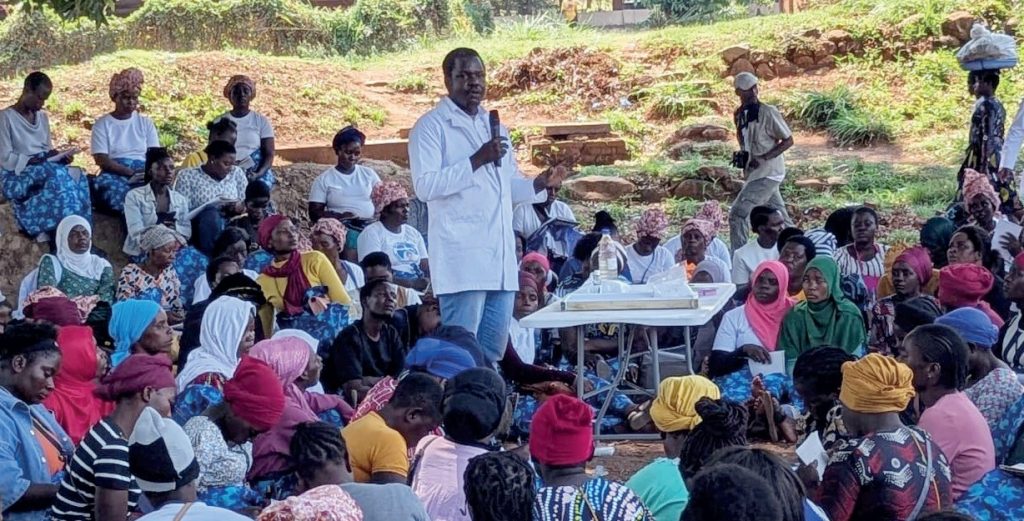
It was conducted by CTS Courier Services under the CTS Women Empowerment Project, in partnership with Small and Medium Enterprises Development Corporation (Smedco).
CTS Courier Services marketing officer Vanessa Kameza said the initiative seeks to equip women with practical skills to establish businesses, generate income and support their families.
She said they will support the women with start-up materials and marketing assistance, while Smedco will provide business guidance to help them develop sustainable enterprises.
Smedco communications officer Micah Nthere said empowering women economically was important to reduce their dependence on husbands.
He said they provided practical training, particularly in peanut butter production, to help women acquire skills to become self-reliant.
Meanwhile, Zomba Malosa Constituency Member of Parliament Grace Kwelepeta said the initiative supports Malawi 2063’s vision of creating a productive and self-reliant society.
She encouraged the women to use their newly acquired skills to establish businesses, adding that access to affordable Constituency Development Fund loans could help them obtain capital to start or expand their enterprises.
Kwelepeta also said promoting local production could reduce reliance on imported goods while creating income-generating opportunities for women and contributing to national economic development.
One of the participants, Emily Bwalamba, thanked CTS and Smedco for the training, saying the skills acquired would help improve their livelihoods by creating opportunities to start businesses and generate income.
She said the initiative offered women an opportunity to contribute to the wellbeing of their families.
The initiative highlights the importance of combining practical skills, start-up support and market access to help women build sustainable businesses, improve their livelihoods and participate meaningfully in Malawi’s economic development.