Vice-President Jane Ansah has encouraged people in the country to remain determined and work towards becoming independent and self-sustaining.
Ansah made the remarks on Thursday in Dwangwa, Nkhotakota District, when she donated various items to vulnerable groups through the Jane Ansah Foundation.
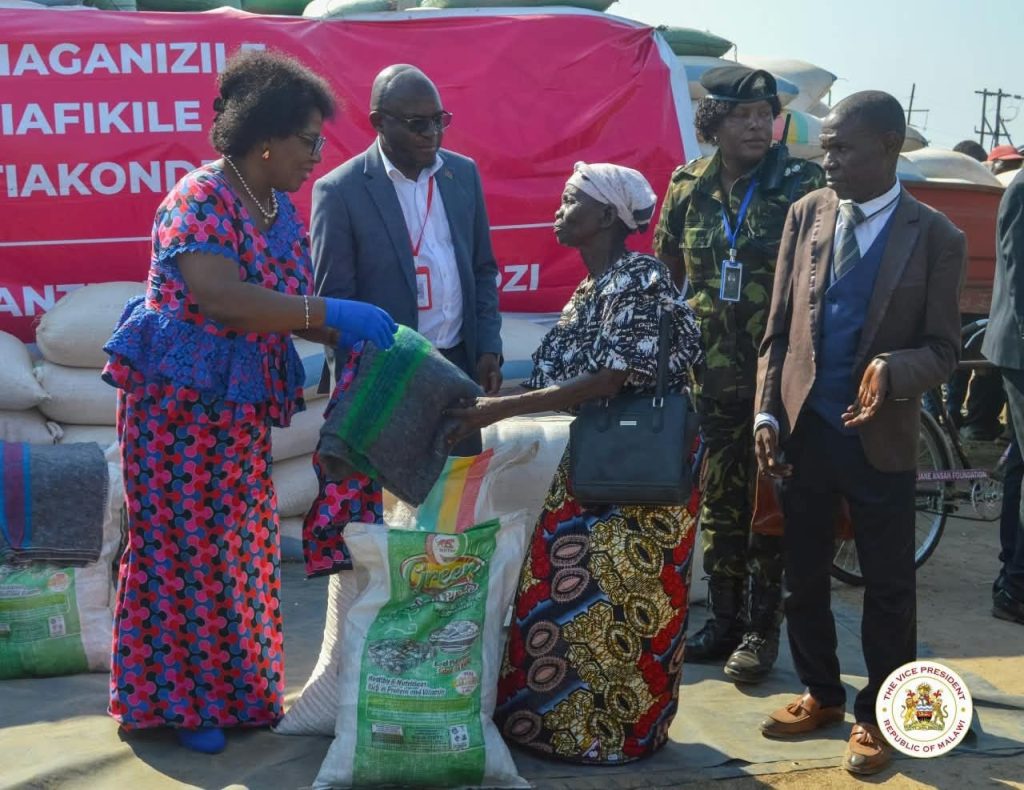
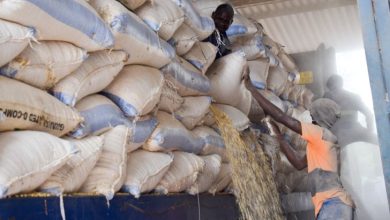
The foundation donated 400 bags of maize; and blankets, soya pieces, and bicycles and other essential supplies.
She said people should remain committed to improving their livelihoods and strive to become self-reliant despite the challenges they face.
Ansah said: “We have asked them to form cooperatives and groups, and they should be assisted, to become independent, self-sustaining. Because these people come from families so that they can also support the households.
“We will assist them with everything, whether it’s farming, we’ll assist them with seed and fertiliser, as we did in Rumphi,” she said.
Ansah explained that the initiative is part of her commitment to helping people facing difficult circumstances and pledged to continue providing support to vulnerable communities across the country through the Jane Ansah Foundation.
Therefore, the Veep expressed her gratitude to President Peter Mutharika for appointing her as his deputy, a role that has enabled her to assist vulnerable people across Malawi.
In his words, Senior Chief Kanyenda applauded the Vice President for visiting his area and providing the relief items, saying the assistance had come at the right time.
Member of Parliament for Nkhunga Constituency Dorothy Chikonje also thanked the Vice-President for the donation, saying many elderly people, people with physical disabilities, people of short stature and people with albinism were facing hunger following floods experienced during the last rainy season.
Jane Ansah foundation aims at empowering and improving the lives of socioeconomically disadvantaged and marginalised people, including orphaned children, vulnerable families, the elderly, persons living with disabilities, and people with albinism through sustainable support and empowerment programmes.