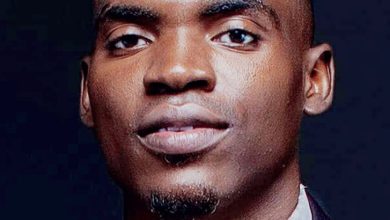
Author Herbert Katanda continues to ride on the success of his book, The Audacity of Depression. Inspired by the importance of conversations to break the stigma surrounding mental health and somehow bandage wounded hearts. Contributor SANGWANI MDHLULI caught up with him to discuss his writing endeavour. Excerpts:
Q: What ignited your passion for writing?
A: Growing up, I noticed how deeply human beings ache to be understood. Everyone is carrying invisible wars, heartbreak, dreams, fear, loneliness and memories they never say out loud. I discovered that writing could reach places ordinary conversation never could. A sentence could comfort someone at 2am. A paragraph could heal a wound hidden for years. A story could make a stranger feel less alone. That fascinated me. I became an author because I had emotions too heavy to carry quietly and imagination too alive to ignore. Writing became more than a skill; it became survival. Some people scream. Some people fight to release their emotions. But in my case I write. I became an author because I wanted to leave something behind that outlives me.

of your own truth. | Courtesy of
Katanda
Q:What are your literary influences?
A: My literary influences are a blend of writers who mastered emotion, philosophy, humanity and unforgettable storytelling. I am drawn to authors who write with emotional truth, writers who are not afraid to expose the rawness of being human. Tiyambe Zeleza would be one of the biggest influences because he explored the psychology of guilt, suffering, morality and redemption with terrifying honesty. Then there’s William Shakespeare, whose writing carries immense emotional and poetic power. Dr Ken Lipenga [senior] influenced the way I think about truth and society. He understood how language shapes power and how stories can challenge systems, expose manipulation, and protect freedom. I also admire Chinua Achebe because he blurred the line between reality and myth so effortlessly. Benedicto Wokomaatani Malunga has always been powerful to me. His voice carried strength without losing tenderness. Furthermore, there’s Patrick Tsoka. He writes with dignity, resilience and soul. Sometimes, my greatest influence is overhearing a stranger talk about heartbreak in a café or watching someone hide pain behind a smile.
Q: What inspires your writing?
A:Personal experience shapes my writing deeply, not always in literal ways, but emotionally, psychologically and spiritually. I think every writer, consciously or unconsciously, leaves fragments of themselves inside their work. Sometimes it is obvious, a memory recreated almost exactly as it happened. Other times it is hidden inside a character’s loneliness, a conversation, a fear, or even a single line of dialogue. For me, writing begins with emotion before plot. I might see someone staring out of a train window looking emotionally exhausted, and suddenly I start imagining the life they have lived. I might remember what grief felt like at a certain moment in my own life and that emotion becomes the foundation of an entire chapter. Real experiences become emotional fingerprints inside fictional worlds. Because the truth is readers can sense authenticity.
Q: What challenges have you faced as an author?
A: It often begins with a painful silence, the quiet reality that in many places, reading books is not yet a strong everyday habit. As an author, I pour my soul into pages, only to find that the audience is small, distracted, or stretched by the pressures of survival. When reading itself is still competing with urgent daily needs, literature can feel like a luxury instead of a lifeline. Then comes the weight of money or the lack of it. To turn a manuscript into a real book requires editing, design, printing, and distribution. But financial support is often scarce. As a writer, I carry my dreams alone, self-funding my work or abandoning powerful stories halfway because there is simply no backing to bring them to life. Publishers, too, often operate with limited resources, making them cautious about taking risks on new or unknown voices. Sponsorship and strong literary support systems are also limited in many parts of the industry.
Q: What’s next for you as an author?
A: Well, this year I’m working on two books, Where Effort Goes Unrewarded and A Nation Off Course. These books would typically be reflective and emotional pieces about life in Malawi, centred on the reality of people who work incredibly hard, yet often feel their efforts are not fully rewarded or recognised. The books will explore everyday life and show how, even with strong dedication and resilience, many still struggle with low wages, limited opportunities, unemployment and systems that do not always support their effort in a visible or fair way.
Q: What advice would you give aspiring writers?
A: Sometimes you will write in silence, with doubt sitting beside you. Do not wait for perfect conditions. Many great stories are born in imperfect places on tired nights, in crowded rooms, during difficult days. What matters is that you keep returning to the page. Read widely. Write honestly. And do not be afraid of your own truth, even if it feels too big, too raw or too personal. The world does not need perfect writers; it needs real ones.