Communities in the country are taking charge of their climate future through the Climate Justice Communities Project, a three-year initiative implemented in seven districts of Machinga, Neno, Chikwawa, Phalombe, Karonga, Zomba and Salima.
The project is implemented by DAI Global UK with funding from the Scottish Government under the Climate Justice Fund. It is also being implemented in Zambia and Rwanda.

According to Team Leader Ken Matekenya, the three year programme has largely met its objectives by placing communities at the centre of climate action.
He says the first objective was to empower communities to identify their own climate risks and prioritise interventions. “All the interventions being implemented came from the priorities that the communities themselves identified,” he explains.
Communities have also led implementation through strengthened local structures, which have been trained to manage and monitor activities. This has enhanced accountability and ownership.
Matekenya says communities are now engaging stakeholders at local, district and national levels, with some participating in international climate justice dialogues. “We have seen mobilisation of communities to dialogue with various stakeholders,” he says.
The project ends in March 2026, but the Scottish Government has committed to a one-year bridging phase to consolidate gains and sustain interventions while designing a larger programme.
Matekenya says the community-led model offers strong lessons for future climate resilience efforts.
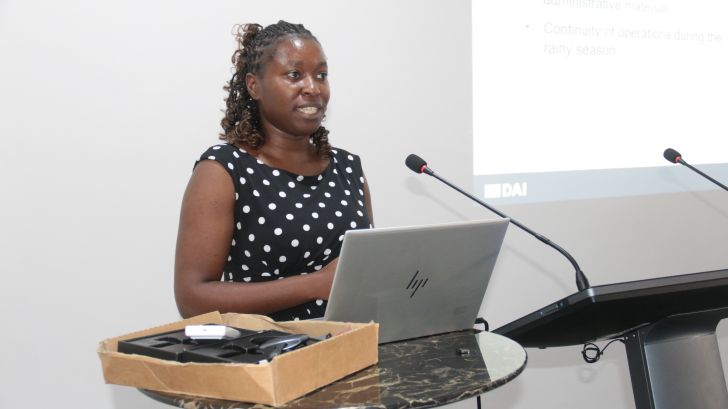
Organisation for Sustainable Socio-Economic Development Initiative (OSSEDI Malawi) monitoring, evaluation and learning coordinator Mphatso Zulu, said that the project has strengthened community resilience while empowering them to find solutions and advocate on climate issues, particularly loss and damage.
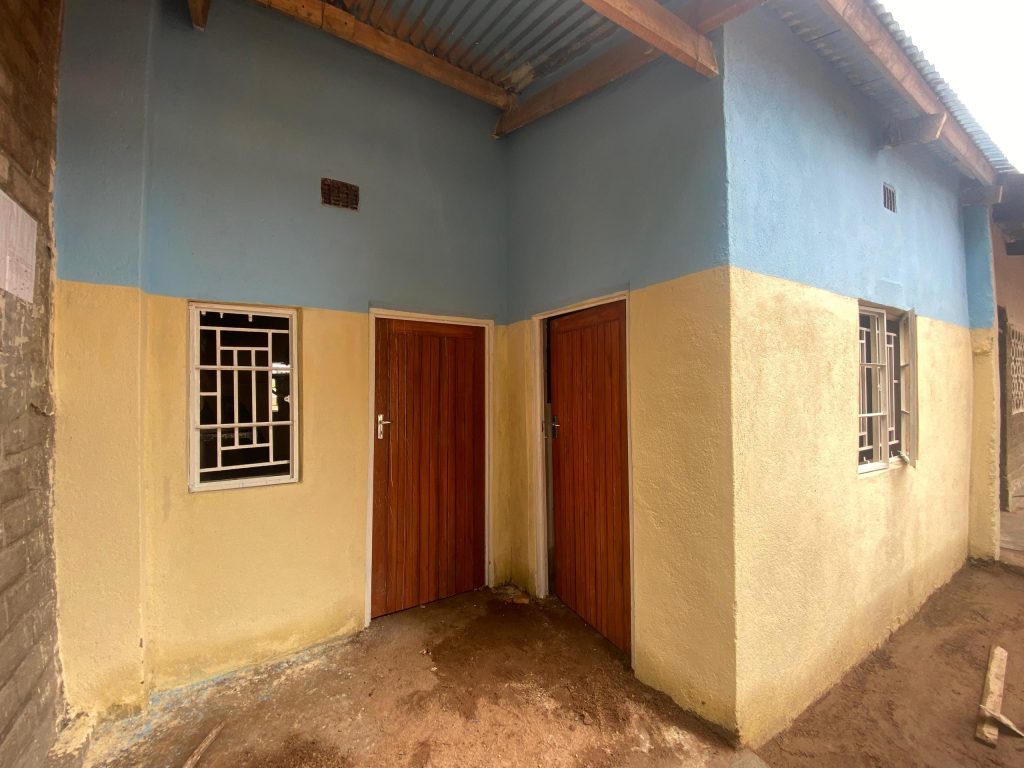
Zulu highlighted the rehabilitation of Ngokwe Primary School’s teachers’ office, which was destroyed by Cyclone Freddie.
“We improved ventilation, added windows, treated termite damage, and created a safe environment for teachers and learning materials,” she explained.
Beyond infrastructure, the project also provided psychosocial support, helping communities recover and maintain well-being after climate shocks.
In Karonga, Franklin Msisya, programme coordinator for Cadecom, said the project assisted communities in Traditional Authority Wasambo by building an evacuation centre for families affected by floods. The centre targets four group village heads supporting it accommodates up to 120 people and includes water, sanitation, and kitchen facilities, providing safe shelter instead of schools or churches, which previously lacked essential amenities and disrupted learning.
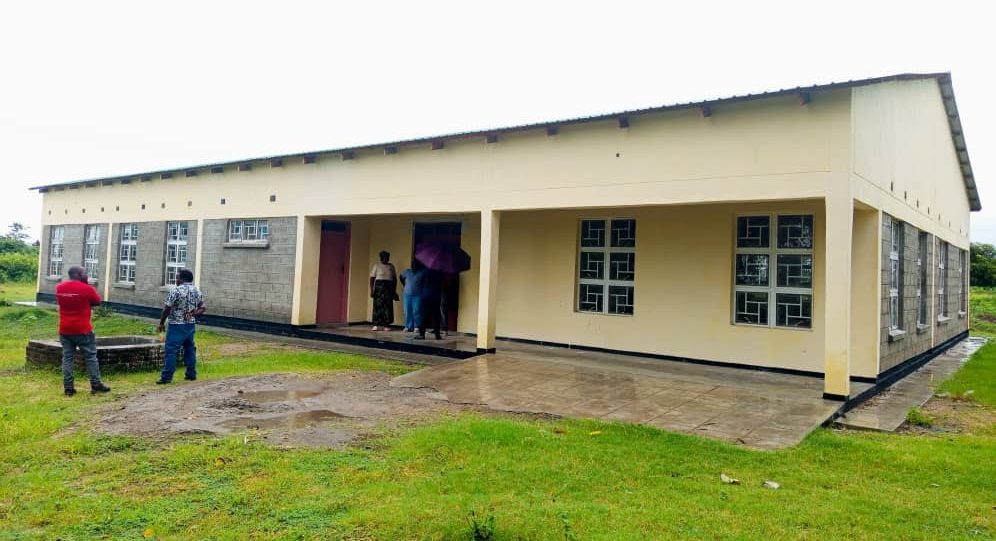
In Chikwawa, Baleke Banda, programmes manager for Water Witness Malawi, described the transformation in T/A Tombondera.
Assessments had revealed communities relied on scoop holes and distant boreholes due to water salinity, leading to frequent diarrhoea.

“Now with the reticulation system, communities have safe, treated water within shorter distances and no longer use unsafe scoop holes,” she said, highlighting a direct impact on health and daily life.