The shocking death of eight imbibers within two weeks in April stirred public uproar against unregulated sales of spirits whose source and ingredients remain under wraps.
The tragedy in Manase Township, Blantyre, exposed the dangers of Magagada, which bears a cocktail of scary names, including Ambuye Ntengeni that screams: ‘Lord, take me home!’.
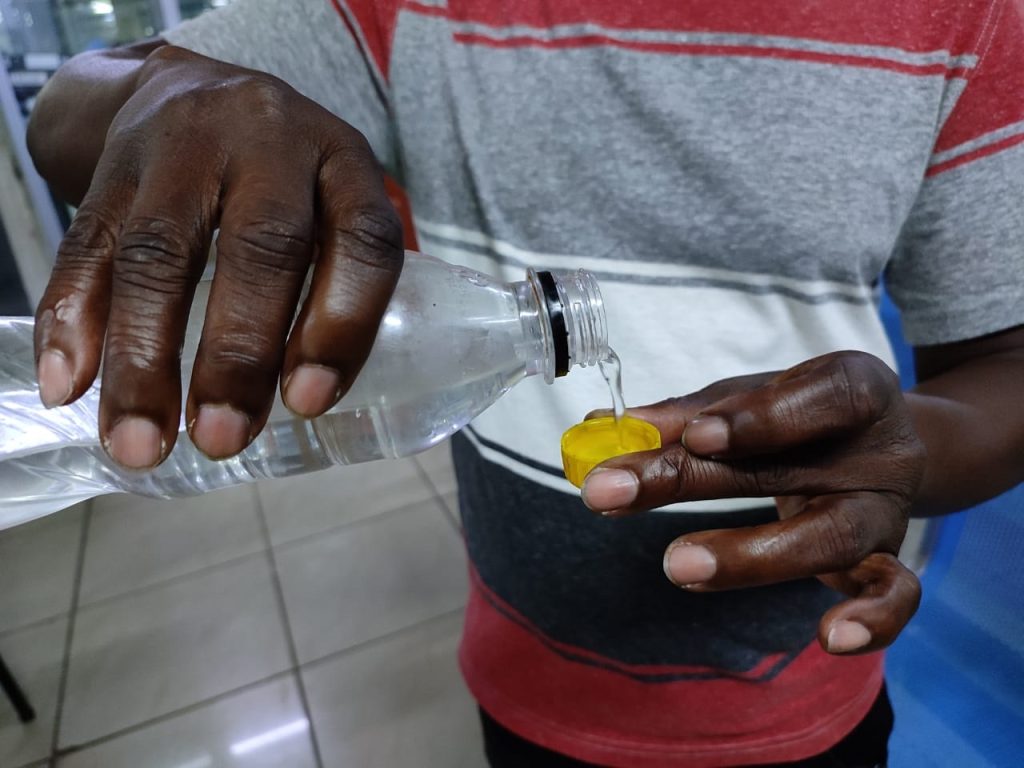
Regulars say every sip is like nodding to a beckoning angel of death and the drunken souls who attempt to bike home fall all over the place or die on the way.
Yet the dangers of the mysterious common sight remain untold as authorities appear indifferent even though the Access to Information Act requires public officers to provide public information without being compelled by the law.
When the tragedy struck, the police pledged to investigate the source of the distils and Malawi Health Equity Network executive director George Jobe asked the Malawi Bureau of Standards (MBS) to test, isolate and publicise the toxic ingredients.

Neither of the State agencies has told the nation what they have done or discovered.
This is information people can use to exercise their rights, including to safeguard lives.
“The investigation was conducted and the findings were submitted to court, waiting for prosecution,” said Southern Police deputy spokesperson Beatrice Makuwa.
Strangely, she did not name the producers profiteering from the perceived poison associated with ethanol meant for laboratory use, but sold publicly in drinking joints inundated by unemployed youth.
However, MBS could not respond when asked to name the possible killers in the notorious spirit.
Meanwhile, the illicit distils have sent shockwaves of fear beyond the commercial city.
Sex rush
In Chiradzulu District, some young men bemoaned its deadening sting that leaves no time for safe sex.
“It bites fast, cutting the money and time we spend drinking. However, it numbs our brains and kills fast,” said one.
The killer punch has earned the colourless cheap spirit uglier names than Magagada, contrived from the splitting impact of a butcher’s axe crushing bones.
Bikers call it Ntaya Njinga, as soaked souls senselessly abandon their bicycles to stagger home.
These are not just names, but a society wailing: “We know what kills our people”. Authorities must do something about it.
The nicknames signal preventable ways to die when high on the stuff illegally packaged in plastic bottles.
However, there is another chilling name hidden from passers-by—Nyengeratu.
In their hushed tones, imbibers say the tag underscores the rush for sex before a certain blackout.
“If you didn’t say a proper goodbye to your wife, get a quickie before Ambuye Ntengeni kills everything,” says a young man calling himself Jack.
The sex rush puts consumers, including the youth, at risk of sex webs fuelling sexually transmitted infections, including HIV.
The selling points provide vibrant sex havens that hide in plain sight.
Day and night, adults and adolescent boys are seen scrambling for few women and girls in sight.
Gulping the spirits only daredevils can stomach, they take turns in an intergenerational sex cobweb that disproportionately imperils the youth, the future of the nation.
Still, authorities show no sense of urgency to clamp down on the unregulated liquor sales fanning multiple public health crises, including diabetes, kidney failure, road accidents and HIV.
Clearly, the fightback should transcend the tax hikes and bottling restrictions that have failed to strike the neglected killer off the shelves as envisaged by lawmakers and tax collectors.
Since 2015, Parliament has banned liquor packaged in sachets and plastic bottles to make alcohol unaffordable to the youth.
But policymakers and law enforcers should do more to prevent the deaths of people harmed by the toxic booze as well as STIs, including the virus that causes Aids.
In Mazuwa Village along the boundary between Blantyre City and Chiradzulu District, a woman spoke of her husband who only comes home to sleep, not minding her conjugal rights and duties “because Nyengeratu has normalised transactional sex which fuels HIV and Aids in wedlock”.
A girl seen at a local shebeen said she sleeps with three to five men a day at K2 000 per round.
“I only accept short-time deals. There is no time to waste,” she said.
Meanwhile, Nyengeratu bites like a poisonous snake, paralysing their senses in a wink.
In sporting terms, the hurry for sex is more of a sprint than a marathon.
Some customers, especially the youth, flood drinking pubs for the bitter mystery to pause the agonies of unemployment. In their words, they just wanna get high within their means.
Opium of the jobless
A youthful trio that braved scorching sunshine to work the fields of well-off neighbours were spotted blowing their all on the opium for the poor, especially the jobless.
The International Labour Organisation of the United Nations estimates that a quarter of Malawians aged 18 to 35 are looking for jobs, but cannot find any.
The youth hooked to the deadly distils say the figure could be higher as some of the so-called employed people are barely scraping by hand-to-mouth, earning too little for their academic qualifications and skills.
However, unrestricted access to the beer that sent the Blantyre eight could be symptomatic of a grave failure to make laws work—and lawlessness is to failed States what high fever is to malaria patients.
From Nyengeratu shrines, it is easy to agree with youth rights campaigner Charles Kajoloweka’s lamentation:
It is puzzling why “the government has allowed the poisoning of its citizens without showing any care, remorse or urgency to enforce existing laws and policies”.