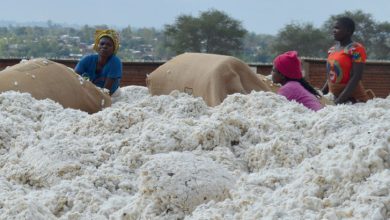
Two years ago, Lipululu Village was a cluster of grass-thatched huts cracking and falling apart.
A mazy footpath split the clustered rural settlement in Dedza District, taking the villagers to the mosque, surrounding fields and beyond.
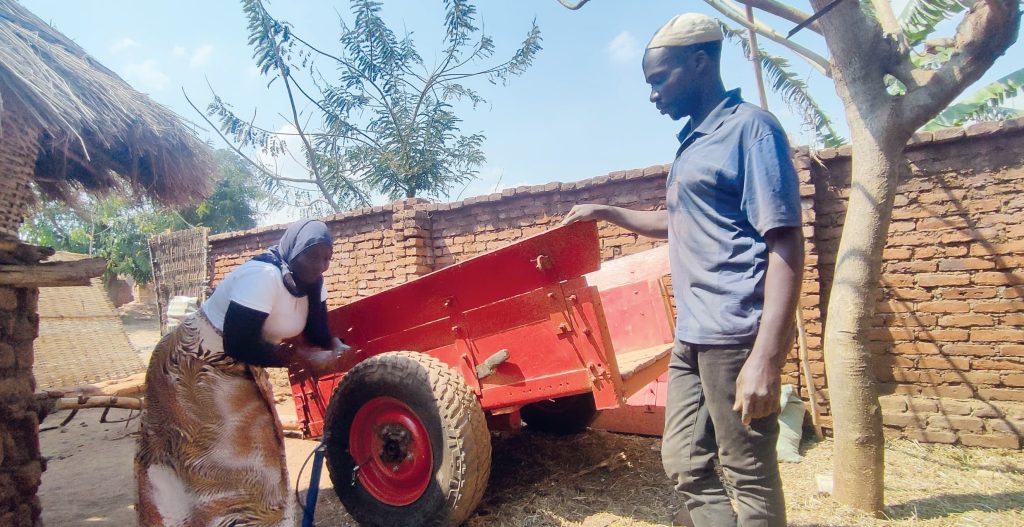
Here Adija Jawadu and Yunus Twaya married 31 years ago, promising each other a decent life for better, for worse.
However, the marriage vow has suffered the test of time as falling crop harvests fanned hunger and poverty.
“Our barren fields couldn’t produce enough grain to take us to the next harvest. Rains are no longer predictable,” recounts Jawadu.
She has spent a lifetime in the rural locality near Mayani Trading Centre.
Chronic hunger forced her to start growing beans and groundnuts while her husband launched weekly trips to Salima along Lake Malawi to buy fish for sale. However, the profits remained stumpy due to low capital.
“We were struggling to meet our daily needs due to stuttering harvests,” says Twaya.
Every morning, the couple woke up to a muezzin calling Muslims to go to the mosque before the day’s work. Many hurry to their crop fields after the 4am prayers.
Their tenacity paid off with an unconditional cash boost from GiveDirectly.
The rocky footpath is now paved with bricks and grain drying in the sun.
Farmers smile their way back from the fields as harvests rebound and modern houses complete with iron sheets replace leaky grass-thatched huts.
The 38-year-old couple has 10 000 bricks for a kitchen and boys’ quarter, an oxcart for hire, a backyard orchard dotted with vegetables and 40 bags of maize, triple the previous harvest.
“We are living our dream,” says Twaya. “The turning point came on October 20 2024 when my phone beeped, alerting me that my family had received K361 000 from GiveDirectly, which we could use as we please,” he says.
GiveDirectly allows donors to put cash straight into the hands of the poor with no strings attached.
Twaya recalls: “Everyone here received an equal lump sum regardless of their financial status and nobody told us what to do with it. It was a once-in-a-lifetime opportunity,” says the man.
The family used the unconditional cash, coupled with farm earnings, to double their 2.5 acre field, bought fertiliser to boost yields and purchased an oxcart.
“My neighbours hire the oxcart at a fee when it’s not busy with my farm tasks. I also bought cement and plastered our house.”
The couple, who dropped out in Standard Seven to marry, also paid school fees for their children.
They also bought solar home lighting system for the learners to study beyond nightfall unlike their peers in rural areas off the power grid.
“We want our five children to become independent and reliable citizens,” says the mother.
Group village head Lipululu, born Mary Matola, says the unconditional cash transfers have transformed the low-income community “which wakes up early and work really hard.”
“They were toiling in vain due to poverty and climate change, but unconditional cash transfers gave them the liberty to invest in things they could only dream of and the change is unmistakable,” she says.
The traditional leader looks back to people buying fertiliser for bumper harvests, goods for sale and construction material for decent homes.
“The village is rising. Many parents are sending children to school.
“The old mostly bought food and other basic needs for their families while young adults invested in agriculture and small businesses that guarantee profits and a bright future.”
Youthful entrepreneur Sumaila Mussa uses the phone from GiveDirectly for mobile money business in a grocery shop he opened in 2015 when he was in Form Two.
He earns a monthly commission of about K30 000, bringing financial services to the remote locality cut off from brick-and-mortar banks. The grocery shop gives him at least K2 million a year.
“With unconditional cash, I opened the first barber shop in my village where I make about K7 000 daily,” says the father of two.
“The barber shop operated by my cousin helps me care for my family and crops. I also pay fees for my brother at a private school,” he says.
GiveDirectly believes that “people in need understand their challenges better than anyone else and can use cash to address their problems in the way they see fit to improve their well-being, says country programmes director Yvonne Murindiwa.
She states: “This approach not only empowers recipients but also respects their dignity.
“By giving directly, we also maximise efficiency, ensuring that the majority of donated funds go straight to recipients.”