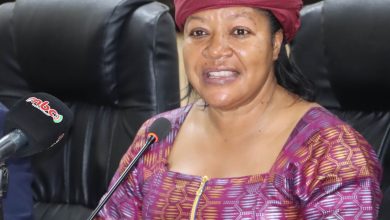
Local councils have, over the years, attracted controversy over misuse of public resources, underutilisation of donor funds and poor-quality infrastructure. Councils, however, argue that while responsibilities have been devolved to them, fiscal devolution has not matched these functions. In this interview with Mzuzu Bureau Supervisor JOSEPH MWALE, Minister of Local Government and Rural Development BEN PHIRI reflects on his Ministry’s first 100 days, donor fund absorption challenges and reforms underway to strengthen local governance. Excerpts:

| Joseph mwale
Your Ministry recently clocked 100 days. How would you assess this period?
In the first 100 days, the Ministry focused on restoring discipline, accountability and strategic direction in the decentralisation agenda. Key achievements include strengthening oversight of Local Government Authorities (LGAs), accelerating work on the reformed Constituency Development Fund (CDF) framework, reviewing major donor-funded projects, and improving coordination between councils, central government and development partners.
That said, challenges remain, particularly capacity constraints at council level, delayed project implementation, weak contract management and historical underutilisation of resources. However, the introduction of the K5 billion reformed CDF, renewed political commitment to decentralisation, and ongoing reforms in planning, monitoring and accountability provide an opportunity to reset local development delivery and improve outcomes at community level.
The Ministry has started demanding work plans and documentation from councils. How is this progressing?
We directed all councils to submit monthly work plans to improve predictability and accountability. Progress has been encouraging, with most councils complying. The Ministry is reviewing the submissions, providing feedback and using the information to guide technical backstopping and monitoring. This approach helps us identify gaps early and support councils more effectively.
Underutilisation of resources, including donor funds under Gesd and Trade projects, has been a major concern. How is the Ministry addressing this?
The Ministry is fully aware of the risks associated with underutilisation of donor-funded resources, including those under the Gesd and Trade programmes. We have intensified monitoring, reviewed procurement and contract management bottlenecks, and engaged implementing councils to fast-track stalled activities.
We have also engaged development partners such as the World Bank and IFAD to agree on ways to accelerate implementation. Project Implementation Units have since developed action plans. As a result, there has been significant improvement in fund utilisation. Under the Gesd project, unutilised funds have reduced from about US$20 million to US$3 million. For the Trade Programme, the Ministry has identified large-ticket projects expected to commence within the next three months, with preparatory work at an advanced stage.
What measures are being put in place to ensure timely implementation and full absorption of resources going forward?
The Ministry is strengthening project readiness screening, enforcing adherence to approved work plans and tightening procurement timelines. Central-level supervision has been enhanced, and performance tracking mechanisms are being strengthened to ensure delays are identified and addressed early. We are also prioritising capacity support for councils managing large project portfolios. In addition, the Ministry is engaging commercial banks to ease access to performance bonds for contractors. Many contractors struggle to meet stringent bank conditions, limiting their ability to mobilise capital and start works on time. These engagements aim to remove such constraints and improve project delivery.
Capacity gaps and high vacancy rates continue to affect councils. How is the Ministry responding?
We recognise that capacity constraints and high vacancy rates significantly undermine service delivery. Measures underway include engagement with the Local Government Service Commission, targeted capacity-building programmes, and advocacy for improved conditions of service to attract and retain skilled personnel. We are also pursuing institutional reforms, including leadership strengthening and performance management improvements, to enhance effectiveness at council level.
CDF has often been criticised as overly political, with claims that MPs want to control the funds. What is your response?
CDF is a public development resource, not a political tool. Government is developing reformed CDF guidelines to strengthen transparency, accountability and institutional controls. The draft guidelines have undergone extensive consultations with councils, Members of Parliament, Principal Secretaries and oversight institutions, and are currently undergoing final cleaning before approval. In the meantime, CDF is being implemented under existing guidelines, with clear guidance issued to local authorities following the court ruling. The reformed framework clarifies roles, enhances oversight and is deliberately designed to depoliticise implementation so that resources respond to genuine community priorities.
What is the current state of fiscal devolution compared to devolved functions, and how will the K5 billion CDF help?
While many functions have been devolved to LGAs, fiscal devolution has not always kept pace. The introduction of the K5 billion reformed CDF is a significant step towards closing this gap by providing councils with more predictable and substantial development resources. Combined with strengthened oversight and capacity support, this is expected to improve service delivery and development outcomes at local level.