Herbal trade keeps Chonde awake ahead of Mulhako

Once again herbal medicine trade thrived on the eve of Muhlako wa Ahlomwe celebrations at Chonde in Mulanje District.
The herbs, namely gondolosi, chiswa, tseketseke, mkwapukwapu, mwana adzuke, ngingingi, esnati and mwanamphepo, were among those displayed for buyers.
The Lhomwe people trace their origins to eastern Mozambique, particularly the areas around the Rovuma River and the Namuli Hills where they lived, before migrating westwards into present-day Malawi.
Their lives were shaped by traditional knowledge passed down through generations, including the use of herbs and other plant materials for everyday needs and the treatment of ailments before modern medicine became widely available.
Early Lhomwe migrants are understood to have arrived mainly as individual families and clans rather than under centralised chiefs.
Clan names, including Mbewe and Nkhoma, helped establish identity and kinship.
Today, some of the herbs associated with Lhomwe tradition are found in shops across Malawi’s cities, sold in powdered form through pharmacies and other outlets. Others are mixed with spirits to make concoctions such as gondo-gin.
For many Lhomwe people, these products represent remedies their forefathers relied on to address health problems before modern medicines became widely available.
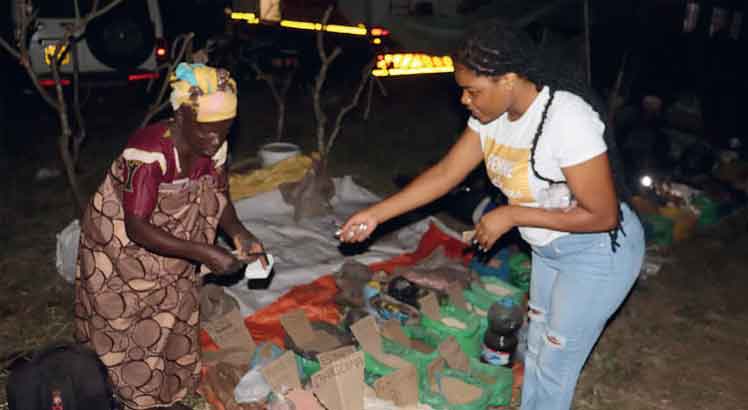
On Saturday night, men and women kept the trade alive well past 11pm, moving between makeshift stalls beneath tents, buying herbs and enjoying the entertainment ahead of the festival’s final day yesterday.
Herb seller Nkhoma Chewanika said business was brisk since the festival opened on Friday, adding that he had sold four buckets of a liquid herbal concoction between Friday and Saturday.
Fellow trader Yesaya Mchekwayi said gondolosi was the most sought-after product, followed by chiswa and tseketseke.
One buyer, Amosi Nanyumba, said he believed in the products because of their place in Lhomwe tradition.
“These are important to our culture. Our forefathers used them long before modern products became common,” he said.
Apart from the commonly displayed herbs, Changoima also featured in the night-time trade.
Traders described it as part of the traditional remedies used by Lhomwe ancestors before modern medicine became widespread.
The night’s activities were not confined to herbs. Beer, including Chibuku was also available while the locally brewed Ambuye Ntengeni added to the offerings enjoyed by revellers.