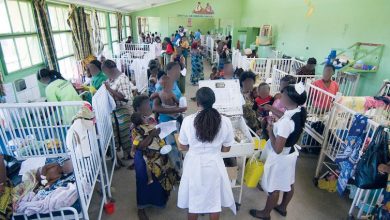
Kamuzu University of Health Sciences’ (Kuhes) proposed $1 billion (about K1.7 trillion) Teaching Hospital and Hospital City in Chileka, Blantyre, was unveiled as a transformative project that would strengthen Malawi’s healthcare system.
Four years later, the project has instead become a symbol of uncertainty, broken promises and communities left waiting.
The development was expected to improve specialised healthcare, strengthen medical training and reduce costly overseas referrals. Instead, hundreds of families who surrendered control of their land are asking when the promised hospital will be built.
In June 2022, Kuhes, through Blantyre District Council, began compulsory acquisition of nearly 387 hectares under Senior Chief Kuntaja. Government valuers assessed properties belonging to about 500 farming households across 12 villages—Kammata, Denga, Mbedza, Kumanda, Tamvekenji, Dzineso, Lemu, Gomeza, Lipugama, Temani, Magombo and Chuma.
Since then, residents say there has been little communication on compensation, construction or the project’s future.
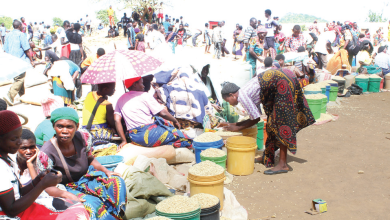
Many families say they stopped developing their land after government instructed them to do so, expecting relocation and compensation. Some reduced farming and sold livestock, believing the project would begin soon.
Others who bought plots for homes and businesses say they are trapped, unable to develop their properties yet given no indication of when the project will start.
Frustrated by years of inactivity, several landowners have resumed construction.
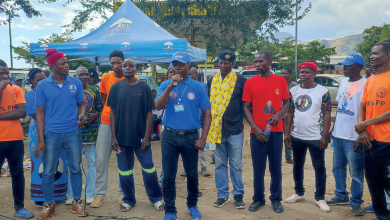
Ricky Kantema, chairperson of the committee representing affected landowners, said prolonged inactivity, poor communication and lack of transparency had fuelled public anger.
He said denying people the use of their land without compensation or visible progress had undermined public trust.
“The prolonged delay raises serious questions about public accountability,” he said.
A resident, who declined to be named, said communities had reached breaking point.
“Life must go on despite the looming threat of future eviction hanging over our already erected structures and freshly laid foundations,” she said.
She said residents supported development but could not continue putting their lives on hold indefinitely.
The Hospital City was among flagship projects expected to benefit from the now-discredited $6.8 billion (about K7 trillion) funding agreement announced by the Chakwera administration with the Bridgin Foundation in 2022.
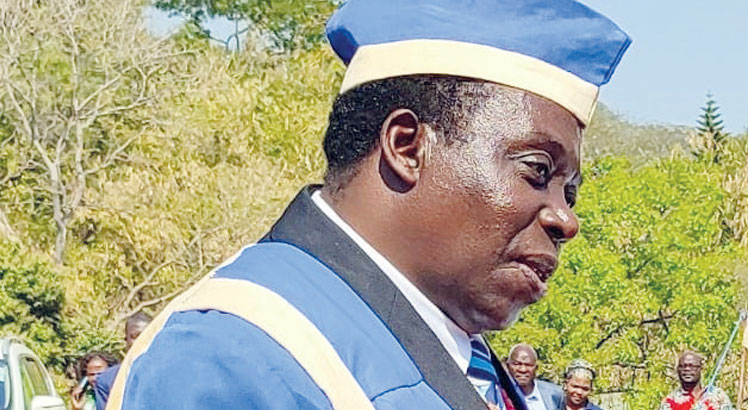
Senior Chief Kuntaja said he had allowed landowners to resume developing their properties after years of waiting without official explanations.
“Years have passed without any tangible progress or official explanation as to why the project has delayed, what challenges exist or whether it has been abandoned altogether,” he said.
“I have protected this land for years… But I am equally in the dark because I have repeatedly sought answers from both the district commissioner and Kuhes without success.”
Blantyre District Commissioner Alex Mdooko referred questions to Kuhes, saying the council’s role ended with securing the land.
Kuhes Registrar Christopher Namagowa said he needed time to consult relevant officials because he was attending university council meetings.
The delays come as government pursues other health infrastructure projects. Minister of Health and Sanitation Madalitso Baloyi recently told Parliament that government had secured a $27 million (about K46 billion) loan from the Kuwait Fund for Arab Economic Development to build Blantyre District Hospital.
Health policy expert Buyile Munthali said the delayed teaching hospital was denying Malawians access to advanced healthcare.
“Teaching hospitals are critical because they provide advanced and specialised care for complicated illnesses. They serve as national referral centres where patient care, medical education and research take place simultaneously,” she said.
Human rights advocate Boxten Kudziwe said government should urgently resolve compensation.
“For years these families have been denied the economic use of their land, which is one of their most important assets,” he said.
More than four years after its launch, the Hospital City remains a promise on paper, while hundreds of families continue waiting for compensation, answers and a project meant to transform Malawi’s healthcare system.