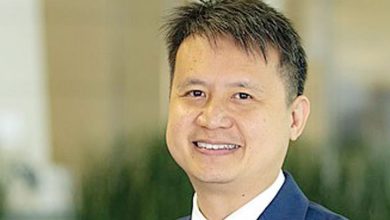
Japanese International Cooperation Agency (Jica) deputy resident representative Shimoda Toru has said Malawi deserves to get appropriate share in any mining contract because the country owns mineral resources available in her soils.
In an interview on Friday in Zomba on the sidelines of a meeting to disseminate project results for the establishment of integrated geographic information system (GIS) database for mineral resources in Malawi, Toru said the country needs capacity building for negotiating of mining contracts.
“Malawi is expecting large investment from foreign companies in the mining sector. The foreign companies want to utilise resources that are in Malawi.
“Malawi needs to get appropriate share in the contracts to mine those resources,” said Toru.
The remarks come at a time there is growing public discontent on the negotiation of the uranium mining deal at Kayelekera in Karonga — which is run by Paladin—where government only has a 15 percent stake in the mining contract. Several quarters have been asking government to re-negotiate the uranium contract, saying Malawi got a raw deal.
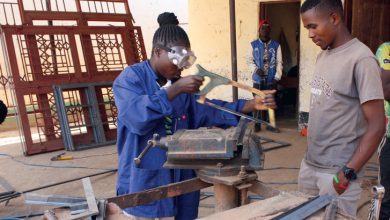
Apart from establishing the GIS database for the country’s mineral resources, Toru said the Japanese project was also aimed at building capacity for Malawi to help in negotiation of mining contracts.
“Malawi needs human capacity development. We have been interested in helping Malawi’s mining sector for a long time. After the end of this project, Japan will consider any other request from Malawi Government to help in the sector. Our support will depend on the request from government,” said Toru.
He said Japan has invested about $1 million (about K350 million) in the project to train Malawian geologists in satellite data analysis methods and develop GIS database for the country’s mineral resources, among others.
In an interview, Department of Geological Survey acting director Jalf Salima said, currently, Malawi does not have specialised professionals to negotiate mining contracts.
“Mining is a new industry. Professional wise, we need geologists and mining engineers. Mining contracts are more of economics. We don’t have specialised mineral economists in this country who understand mineral economics and can ably negotiate the contracts.
“We also need to have legal experts who have studied mining law. Those trained in various fields should specialise in mining. That’s the gap which has to be dealt with,” said Salima.
He said government is considering establishing positions for mining specialists in its structures, adding the mining sector is currently contributing 10.8 percent to the country’s Gross Domestic Product (GDP).
“In 2009, mining was contributing less than one percent to GDP. Our goal is that mining should be contributing about 20 percent to the GDP by 2016. However, mining [industry] in Malawi is still small. We have only one big mining activity at Kayelekera.