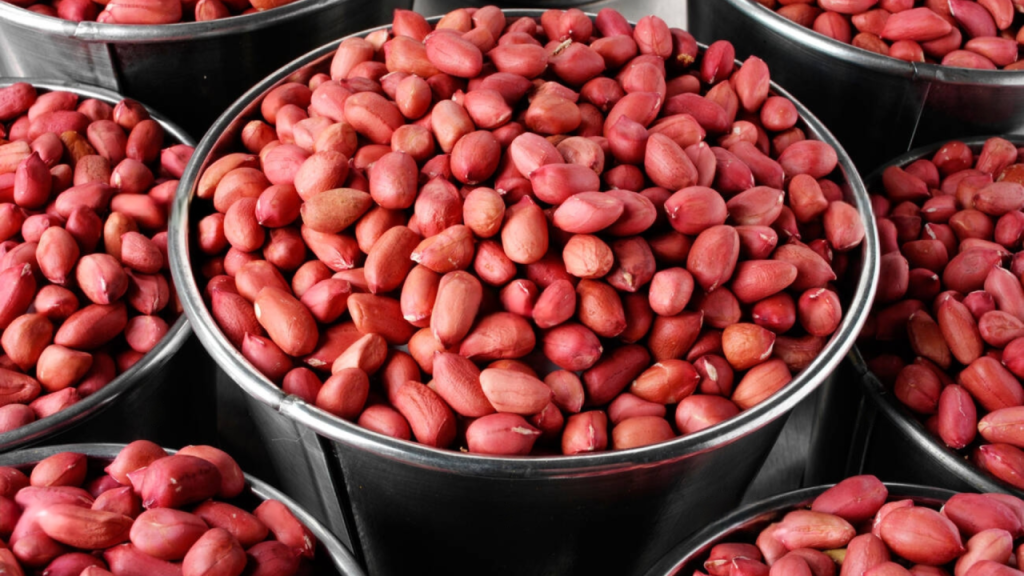
Malawi has unlocked a groundnuts export market in Kenya under the African Continental Free Trade Area (AfCFTA) which has seen H. Adams Wholesalers shipping its first 30 metric tonnes (MT) to the east African nation.
This follows the recent Malawi Investment and Trade Centre (Mitc) trade mission to Kenya’s successful meeting with key regional buyers and trade facilitation institutions to unlock new market opportunities under the AfCFTA early this year.
Among others, the delegation held strategic engagements with the East Africa Grain Council and Green Forest Limited to strengthen Malawi’s access to the Kenyan market focusing on linking Malawian exporters with verified regional buyers, improving market intelligence and facilitating secure cross-border trade.
In an interview, Mitc spokesperson Ndondwa Msaka confirmed that following the mission, Malawi secured groundnuts export market in Kenya of 65MT per month subject to quality and food safety standards.
“H. Adam Wholesalers has successfully dispatched its first shipment of 30MT of groundnuts to Kenya, marking the beginning of what is expected to become a growing commercial partnership between Malawian exporters and the Kenyan market.
“Green Forest Limited also expressed strong interest in sourcing Malawian groundnuts, indicating a potential demand of up to 65 MT per month, subject to compliance with the required quality and food safety standards,” Msaka said.
H. Adam Wholesalers director Farid Sattar confirmed the development in a brief interview but did not disclose the details such as the value of the deal, saying he would give the details later.
Ministry of Industrialisation, Business, Trade and Tourism spokesperson Patrick Botha said the successful export by H. Adam Wholesalers demonstrates the value of strategic trade promotion and business matchmaking.
Botha said: “As Malawi continues to deepen its participation in regional value chains, this first shipment represents far more than a single export consignment.
“It signals expanding market access for Malawian products, reinforces confidence in the country’s export potential, and demonstrates how targeted trade promotion can open new doors for local businesses to compete successfully in regional markets,” he said.
Analysts have been attributing low groundnuts exports to challenges to control aflatoxin levels which degrade the produce quality especially for export markets.
Lilongwe University of Agriculture and Natural Resources agricultural economist Horace Phiri earlier said containing aflatoxin has remained a challenge because there is no incentive for local farmers to produce non-contaminated seed.
He said: “We operate in a market environment where consumers do not care about aflatoxin contamination and its associated risks.
“Farmers do not get paid a premium to produce pure and quality seed so they will not do that. That will affect the performance in the market.”
Malawi has a target of boosting groundnut output from the current 200 000 MT to one million MT by the end of 2030.