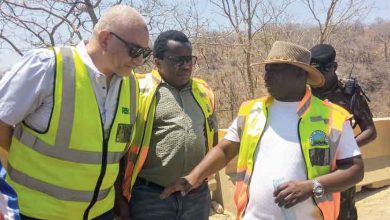
Ministry of Health and Sanitation alongside World Health Organization (WHO) have stepped up preparations for Ebola screening in the country with inspection of Kamuzu International Airport (KIA) in Lilongwe today.
WHO country representative Charles Kuria Njuguna said in an interview yesterday that their team will inspect KIA together with Minister of Health and Sanitation Madalitso Baloyi to assess the screening process.
He said WHO will also hand over supplies for Ebola to the ministry to ensure that if there is a case of Ebola in Malawi, healthcare workers should be equipped with protective gear.
Njuguna said WHO has supplied some laboratory reagents so that in the event of any case of Ebola, health personnel should be able to collect samples and test.
He said: “I would want to say that currently Malawi does not have any Ebola case. Ebola is in the DRC and in Uganda at the moment. And all the neighbouring countries are doing everything possible in terms of preparedness and readiness to ensure that in case of any case, we are able to manage.”
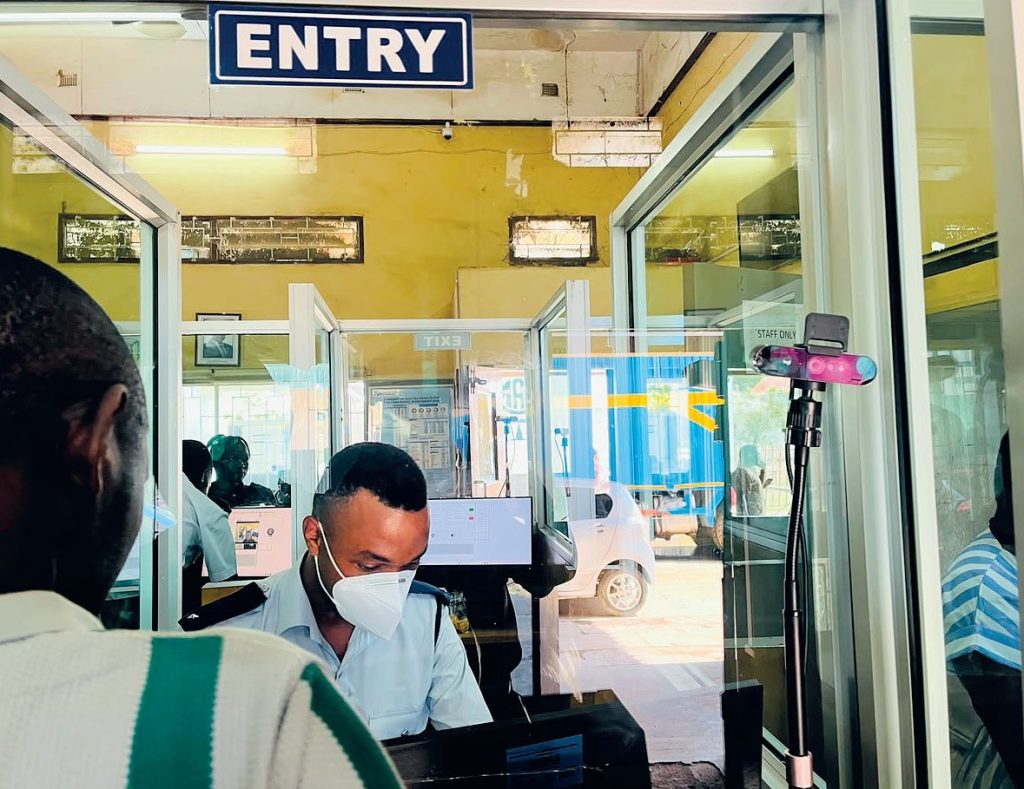
In a separate response, Department of Immigration and Citizenship Services spokesperson Pasqually Zulu said in collaboration with Port Health Department under Ministry of Health, they have intensified border surveillance and strengthened entry protocols at all ports of entry across Malawi in response to the growing Ebola threat in some affected countries.
He said the move follows a rise in numbers on the reported Ebola cases in countries considered to be at high risk of transmission.
Malawi currently has direct flights with Uganda which alongside Democratic Republic of Congo (DRC) is affected by the Ebola strain caused by the Bundibugyo virus said to have no vaccine.
According to WHO, early symptoms include fever, fatigue, muscle pain, headache and sore throat which complicate clinical diagnosis and can delay detection.
The virus spreads through direct contact with bodily fluids of infected people.