Minister of Finance, Economic Planning and Decentralisation Joseph Mwanamvekha has dared civil society organisations (CSOs) and faith-based organisations to provide alternative long-term solutions to address Malawi’s economic challenges instead of only making criticisms.
The minister’s sentiments come in the wake of concerns by some CSOs about the country’s economic situation, including rising fuel pump prices, foreign exchange shortages and increasing commodity prices.
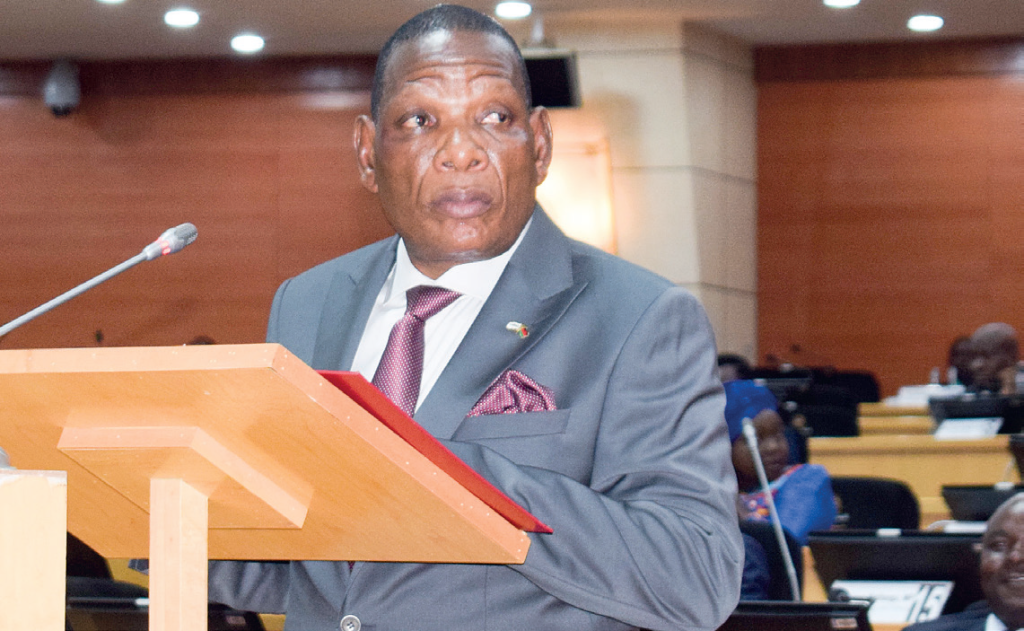
In a letter dated June 11 2026 addressed to NGO Regulatory Authority chief executive officer with copies to various CSOs, Mwanamvekha said the Malawi Government recognises the impact of the economic challenges on Malawians and believes that collaboration with stakeholders is critical in finding sustainable solutions.
In this regard, he asked the organisations to submit their recommendations and workable solutions by June 30 2026 after which government will engage them further through discussions.
Reads the letter in part: “As you are aware, Government alone cannot do this work and improve lives of Malawians. It will require collaborative efforts by all stakeholders to achieve our shared goals and objectives.
“I, therefore, would like to implore you as one of the key stakeholders on this matter to join the Government in providing workable and long-lasting solutions to salvage our country from the social economic challenges we are encountering.”
Several CSOs have separately called for urgent solutions to economic challenges that are making life unbearable for a majority of the population.
Mwanamvekha said the Democratic Progressive Party administration, voted into power through the September 16 2025 General Election inherited economic challenges from the previous administration including rising debt servicing obligations, increased public expenditure and worsening food insecurity.
He said debt servicing obligations increased to over 50 percent of domestic revenue in 2025 from 17 percent in 2019, while the government wage bill rose to K1.6 trillion in 2025 from K397 billion in 2019.
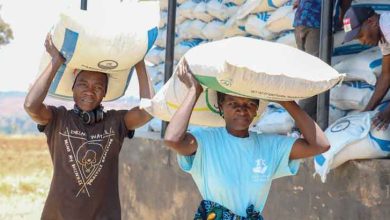
The minister also said more than four million people faced hunger in 2025 compared to 1.9 million in 2019, while economic growth slowed down from 5.8 percent in 2019 to 2.7 percent in 2025 and that the situation forced current administration to introduce revenue enhancement measures, including tax measures and expenditure controls to prevent a wider fiscal crisis.
In its latest assessment, African Development Bank said Malawi continues to face significant macroeconomic challenges despite progress in governance and democracy. The bank cited low growth, high inflation, foreign exchange shortages and debt distress as major constraints to recovery.