The Reserve Bank of Malawi (RBM) has projected a 1.8 percent growth for the manufacturing sector in 2025, marking a rebound from a paltry 0.2 percent chalked last year.
In its Financial and Economic Review for the third quarter (Q3), the central bank said the 1.8 percent growth rate is a downward revision from 2.4 percent projected in May this year due to foreign exchange challenges that continued affecting most companies to import raw materials.
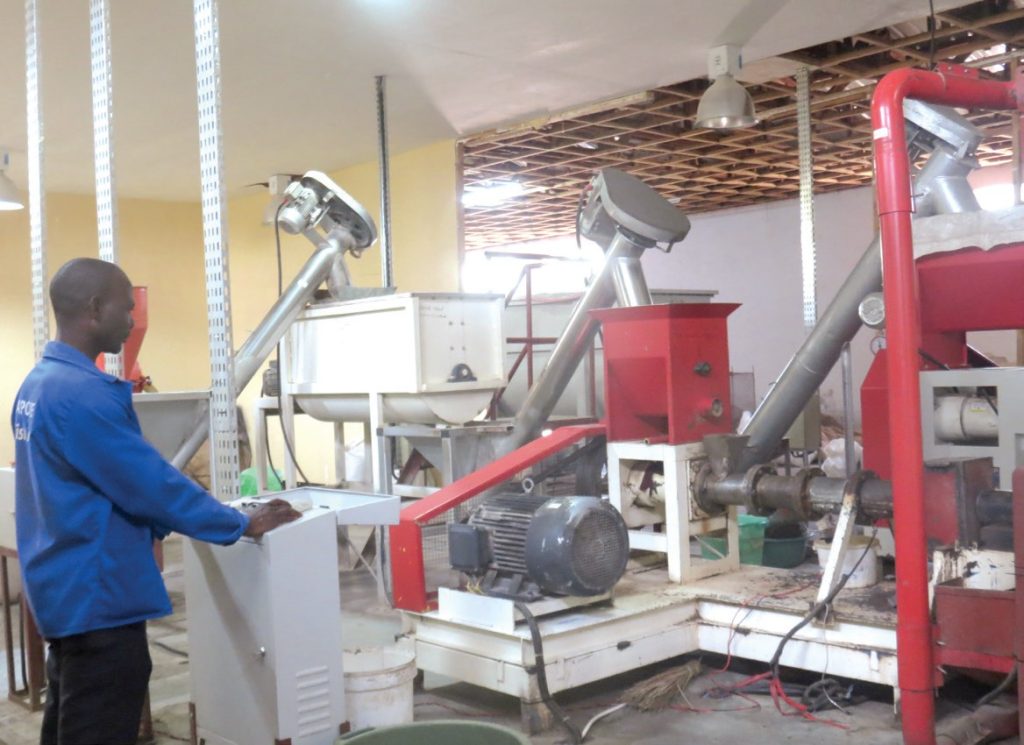
Reads part of the report: “This downward revision reflects persistent foreign exchange shortage which continues to limit access to imported raw materials, spare parts and machinery essential for production.
“Furthermore, ongoing disruptions in electricity supply hinder industrial operations and suppress output”.
However, the RBM said the slight improvement over 2024 is attributed to better agriculture output in 2025 for raw materials and growing optimism for growth towards the end of the year.
The RBM report further said in 2026, the manufacturing sector is projected to strengthen further, with growth estimated at 2.5 percent backed by projected better agricultural season and current efforts to stabilise the economy.
Meanwhile, analysts have described the sector’s projected growth as encouraging coming from a period where most industries scaled down production, but noted that foreign exchange scarcity remains the main risk facing the sector going forward.
In an interview yesterday, Manufacturers Association of Malawi chairperson Gloria Zimba said persistent foreign exchange scarcity during the year heavily affected production as most industries operated at reduced capacity.
She said the situation affected most manufacturers because they are failing to import critical raw materials for industrial production.
Zimba, who is Castel Malawi Limited human resource and corporate affairs director, said: “We are facing a situation whereby although we have cash at bank, we are delaying payments of our import bills because of forex challenges.”
Chamber for Small and Medium Enterprises executive secretary James Chiutsi said the expected growth is positive for the sector that is critical to economic growth.
He said: “But the sector should do better considering that it is the engine for economic development of the country.
“However, given the shocks such as shortage of foreign exchange, the sector did well.”
In its Business Climate Survey for the first half of this year, Malawi Confederation of Chambers of Commerce and Industry (MCCCI) said businesses failed to fully utilise their installed productive capacity largely due to continued foreign exchange scarcity, high inflation and rising costs of inputs.
MCCCI said 51.9 percent of the firms reported a capacity utilisation of below 50 percent, with 37 percent reporting a utilisation rate of higher than 50 percent, but lower than 75 percent, which is the recommended industry threshold.
Only 11.1 percent, according to the survey, reported utilisation rate of above 75 percent.
Reads the MCCCI report in part: “Declining gross official foreign exchange reserves translates into reduced access to foreign exchange for importing raw materials and machinery, potential delays in procurement, price volatility and broader inflationary pressures.
“The persistence of non-food inflation and high borrowing costs given the 26 percent policy rate means that access to affordable capital remains constrained, limiting production expansion.”
In an interview on Monday, Minister of Industrialisation, Business, Trade and Tourism George Partridge agreed that capacity utilisation has been on the downward trajectory for some time because the business environment has been unsatisfactory.
He said: “What is important is that we prioritise those things that we can do immediately and implement them with speed and have a timetable for those that are medium-term and long-term.
“We are working tirelessly to make sure that existing businesses reach their full productive potential.”
Meanwhile, Ministry of Finance, Economic Planning and Decentralisation has revised Malawi’s gross domestic product growth rate for 2025 from the earlier estimate of 2.8 percent to 2.7 percent due to weaker-than-expected performance in key sectors.