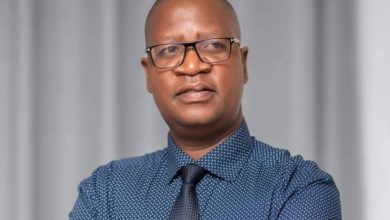
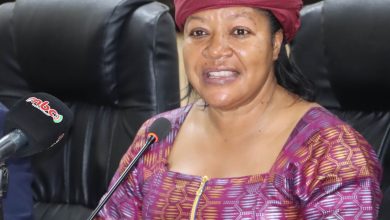
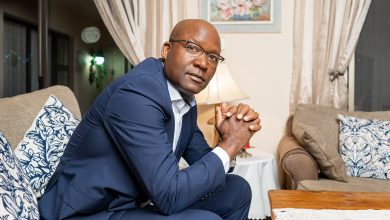
As Malawi joins the world in commemorating the International Day of Peace on September 21, UN Resident Coordinator REBECCA ADDA-DONTOH reflects on the country’s tradition of peaceful coexistence and the growing pressures that could undermine it. In this interview with Our Lilongwe Bureau Chief EDYTH KAMBALAME, she highlights the need to invest in young people, jobs, good governance, social cohesion and community-based peacebuilding to secure lasting peace.

The UN is marking this year’s International Day of Peace under the theme ‘Invest in Peace—For Everyone, Everywhere, Every Day’. What does this mean in practical terms for Malawi and ordinary Malawians?
Malawi has enjoyed relative peace, but we should not take it for granted. Peace is one of our greatest assets, as demonstrated during recent elections when citizens, institutions and political actors largely maintained a peaceful environment despite a highly-contested process. However, social, economic and political pressures can create tensions. We must, therefore, continue investing in peace-building, social cohesion, dialogue and conflict prevention at national and community levels.
How do poverty, unemployment, inequality and limited access to basic services affect peace and stability?
Peace is more than the absence of conflict. It also depends on whether people can meet their basic needs, access opportunities and feel that society is fair. Poverty creates frustration, while unemployment, particularly among young people, can leave them feeling excluded and vulnerable to criminal activities or political manipulation. Perceptions of unfairness weaken social cohesion and trust.
What are the biggest threats to sustainable peace in Malawi today?
The biggest threats include adversarial politics, economic hardship, youth unemployment, inequality, governance challenges, climate-related pressures and declining public trust in institutions. These challenges are interconnected and, if ignored, could develop into deeper tensions. Leaders at all levels should engage in candid dialogue on what is best for the country.
Where should Malawi prioritise investment to strengthen long-term peace?
It should prioritise jobs, education and healthcare while strengthening social protection and good governance. Decent employment, especially for young people, can reduce poverty and exclusion. Quality education provides skills and promotes informed participation, while accessible healthcare improves wellbeing. Strong social protection can protect vulnerable households during economic shocks. Accountable governance is equally important to ensure fair distribution of resources and strengthen trust in public institutions.
What role should young people play in peace-building?
They should be at the centre of peace-building as active agents of change. They can promote dialogue, bridge community divisions, participate in civic processes and lead initiatives addressing local challenges through volunteering, entrepreneurship and advocacy. Government and other stakeholders should invest in education, skills, jobs and entrepreneurship while ensuring meaningful youth participation in decision-making.
What lessons should Malawi draw from previous elections?
Peace cannot be taken for granted. Although Malawi has generally managed political competition without widespread violence, elections have exposed tensions linked to trust, misinformation, economic frustrations and political polarisation. Campaigns should focus on issues such as jobs, education, healthcare and economic recovery. Political parties and candidates should uphold codes of conduct, reject hate speech and engage in respectful debate. Civic and digital literacy should also be strengthened to tackle misinformation.
Where does Malawi stand on justice, gender equality and human rights?
Malawi has made progress through democratic institutions, legal reforms and increased representation of women in public life. However, challenges remain, including gender-based violence, unequal economic opportunities for women and girls, barriers to justice for vulnerable people and exclusion from decision-making. Strengthening the rule of law, equal opportunities and human rights, while ensuring meaningful participation by women, youth and marginalised communities, is essential for sustainable peace.
What role do traditional and faith leaders, civil society, women and community groups play in sustaining peace?
They have been important peace-building actors in Malawi, mediating disputes, promoting dialogue, supporting vulnerable people and strengthening social cohesion. Their closeness to communities enables them to identify tensions early and build trust. Their work should be supported through greater investment in a fully operational, funded and independent Malawi Peace and Unity Commission, including its proposed district and area structures, as well as resources, training and platforms for collaboration.
How could climate change, food insecurity and economic hardship affect peace?
As seen during Cyclone Freddy and drought seasons, these pressures can deepen poverty and increase competition for food, water and land. If unmanaged, they can weaken social cohesion and heighten local disputes. Malawi should invest in climate-resilient agriculture, social protection, disaster preparedness and livelihoods, while supporting community dialogue and conflict-prevention mechanisms.
What role does the UN Country Team play?
The UN Country Team works with government, civil society, communities and development partners to strengthen institutions, promote social cohesion, advance human rights and support inclusive development. Its impact can be measured through improved access to education, healthcare and livelihoods, greater participation of women and youth, stronger governance systems and reduced vulnerability and social tensions.
What message would you give Malawians on the International Day of Peace?
Peace is built not only by leaders and institutions but by ordinary citizens through their daily actions. Every Malawian can contribute by respecting others, rejecting violence and misinformation, embracing diversity and resolving differences through dialogue. Peace begins in our homes, schools, workplaces and communities. Each of us has a role in protecting and strengthening it for future generations.