The country is grappling with a mounting challenge of managing expired and used pesticides, with the Pesticides Control Board (PCB) estimating that the country has 400 metric tonnes (MT) of the hazardous chemicals awaiting proper disposal.
Despite the dangers posed to human health, animals and the environment, companies and households continue to hold on to these substances, citing high disposal costs and logistical hurdles as primary barriers.
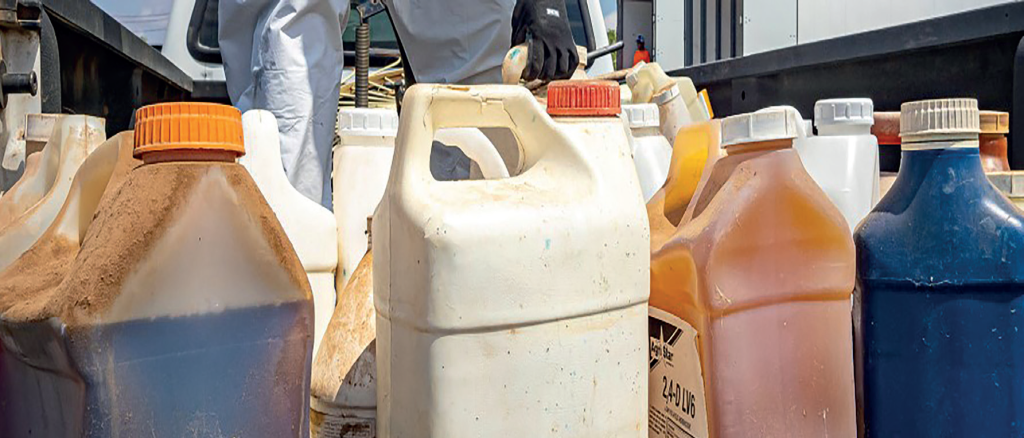
PCB spokesperson Lester Banda expressed concern over the continued stockpiling of expired pesticides, which he said are often stored improperly or their containers are reused in households, thereby exposing communities to toxic residues.
Kamuzu University of Health Sciences (Kuhes) pharmacist and researcher John Mponda said there are health risks associated with common pesticides such as organophosphates, carbamates and pyrethroids, and herbicides like glyphosate and atrazine.
Mponda also warned that pesticides like paraquat are extremely toxic when ingested, causing severe lung, kidney and liver damage, often resulting in fatalities.
He further said the long-term hazards of herbicides include hormonal disruption and environmental contamination, which threaten food safety and wildlife.
He said: “The improper storage and reuse of pesticide containers compound the risk, with households washing and repurposing these containers for storing salt, sugar or water.”
Kuhes Associate Professor of pharmacy in the school of life sciences and allied health professions Felix Khuluza agreed with Mponda, saying uncontrolled disposal of pesticides has negative effects on people and animal health.
“Some pesticides and herbicides are Carcinogenic and Genotoxic. Thus, they can cause certain types of cancer such as breast, prostate and leukemia. Of note is that though these types of cancers are prevalent in Malawi, there is no study that has examined the link to the pesticides and herbicides in Malawi. But in other countries, there is evidence.”
He said the most vulnerable group in Malawi are children as they play without limitation, coupled with susceptibility to these compounds due to their developing bodies and higher ingestion rate relative to body weight, which results in higher pesticide levels in their bodies.
Illovo Sugar Malawi is one of the companies that use pesticides. But the firm’s communications and stakeholder relations manager Olive Kawelama said they carefully manage their pesticide stocks.
She said, among other measures, the firm triple-rinses and punctures containers to prevent misuse and ensures their prompt disposal through authorised channels.
However, she bemoaned operational challenges posed by the scarcity of licensed waste disposal facilities, which lead to delays and increased costs.
The PCB spokesperson said government has made efforts to address these issues through collaborations with international agencies like the Food and Agriculture Organisation and Unep, which have facilitated the disposal of 256 MT expired pesticides in Sweden and South Africa over the past five years.
Nonetheless, Banda said PCB advocates for a ‘polluter pays’ principle, insisting that companies should bear the full costs of disposal.
He said the board’s legal authority under the Pesticides Act only enables it to enforce compliance, conduct inspections and impose penalties on violators.
As enforcement remains a challenge, Banda acknowledged the need for more trained personnel and joint operations with law enforcement agencies to curb illegal pesticide trade and unsafe disposal practices.
Public health experts like Mponda warn that consequences of neglecting this crisis are severe.
“Unsafe pesticide management undermines human health, animal welfare and environmental integrity,” he cautioned.