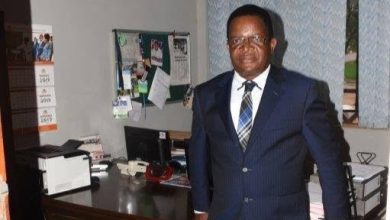
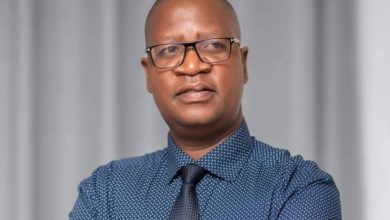
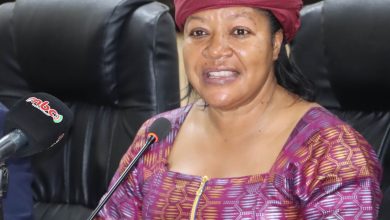
The Directorate of Road Traffic and Safety Services (DRTSS) is one of the government institutions that the public patronises on a daily basis and has sometimes been blamed for one reason or another. In this interview with our Staff Writer MICHAEL MMEYA, the newly-appointed head of the directorate CHRISTOPHER KUYERA explores his vision for restoring public trust, improving service delivery, and building a more professional, technology-driven road traffic management system for the benefit of all Malawians.
What key reforms have you prioritised to improve efficiency and public trust?

One of my key priorities has been expanding access to services provided by the Directorate of Road Traffic and Safety Services (DRTSS) so that more Malawians can access them conveniently. We have secured premises to open new DRTSS offices in Mzimba, Salima, Kasungu. This will reduce the need for citizens to travel long distances for our services. Another priority is the planned construction of a DRTSS office park in Area 54 in LIlongwe, which will serve as a centralised service and operational hub. In addition, we have intensified the use of mobile MalTIS services, where teams travel to rural areas with portable equipment to provide services on-site.
The Directorate has often faced accusations of corruption. What concrete steps are you taking to address these perceptions?
Trust is essential for any public institution, and DRTSS takes concerns about corruption seriously. The Directorate has strengthened internal accountability systems and supervision across its operations. We are also working closely with the Anti-Corruption Bureau (ACB) to develop measures aimed at preventing corrupt practices. These efforts include strengthening internal controls, improving transparency in service delivery, and promoting ethical conduct among officers. By enhancing oversight and increasing the use of technology in service delivery, we are reducing opportunities for irregularities and ensuring that the public receives services in a fair and transparent manner.
What is being done to improve turnaround time of your services that people have complained about?
To address delays, the Directorate is improving the reliability and efficiency of the MalTIS system, which supports many of our services. As already said, we are also expanding the number of DRTSS offices to reduce congestion at existing service points. Coordination between headquarters and regional offices is also being strengthened to speed up processing.
Road accidents remain a major concern in Malawi. What are the main causes based on your data?
Our accident data shows that most road crashes in Malawi are caused by human behaviour. Key factors include excessive speeding, dangerous overtaking, driving under the influence of alcohol, driver fatigue, and failure to observe traffic rules. The use of unroadworthy vehicles and poor compliance with safety standards also contribute to accidents. Addressing these issues requires stronger enforcement, public education, and improved driver discipline.
What strategies is the Directorate implementing to reduce road fatalities?
Reducing road fatalities requires a comprehensive approach. We are strengthening enforcement of traffic laws, expanding road safety awareness campaigns, and working closely with partners such as the Malawi Police Service and other road safety stakeholders. We are also promoting defensive driving and encouraging motorists to respect speed limits and traffic regulations. Our strategies are guided by accident data so that we focus on the behaviours and locations that contribute most to crashes.
How do you plan to strengthen enforcement against drunk driving, speeding, and unroadworthy vehicles?
The Directorate has intensified enforcement operations across the country in collaboration with the Malawi Police Service. To support these efforts, we have procured additional breathalysers to strengthen enforcement against drunk-driving and speed cameras to improve speed monitoring. These technologies allow us to detect violations more effectively and encourage compliance with safety requirements. At the same time, enforcement operations are being intensified to remove unroadworthy vehicles from the roads and ensure that drivers comply with traffic regulations.
How are you rebuilding confidence in the Directorate?
We are improving communication with the public through media and social media platforms so that citizens better understand our work and services. At the same time, we are strengthening service delivery standards and ensuring that officers maintain professionalism when interacting with the public.
What message do you have for Malawians who feel frustrated with traffic services?
I would like to assure them that the Directorate is committed to improving its services and addressing the challenges they experience. We acknowledge past frustrations and are working to strengthen systems, improve service delivery, and ensure professionalism. I encourage the public to continue engaging with us and to report concerns so that they can be addressed promptly.
What motivates you personally in leading this institution?
My motivation is the opportunity to contribute to improved road safety and better public services. Road safety is about protecting lives and supporting national development. Every improvement we make in traffic management and service delivery contributes to safer roads and more efficient transport systems.
What would you like your legacy to be at the Directorate?
My hope is that this period will be remembered as a time when the Directorate became more professional, transparent, and efficient in serving the public. Ultimately, I would like to see an institution that Malawians trust and are proud of.