State-owned Salima Sugar Company Limited has asked for a government bailout to repay a K24 billion debt inherited after the termination of a shareholding deal between the Malawi Government and AUM Sugar and Allied Limited of India.
The company claims that the loans were crippling operations, delaying expansion and negatively impacting sugar production.

Speaking during a visit by Minister of Agriculture Sam Kawale to the Salima Factory yesterday, the company’s executive chairperson and chief executive officer Wester Kosamu cited challenges in maintaining machinery, which delayed this season’s production and worsened sugar shortages.
He said K5 billion was repaid last year, but due to interests, the debt is still at K24 billion.
Kosamu said the firm is planning to pay back K10 billion this year.
He said: “We are thankful to the Reserve Bank of Malawi for providing us with $1 million to import spare parts for our machines from India. Now that we have already received some of the spare parts, we expect to restock markets by next week.”
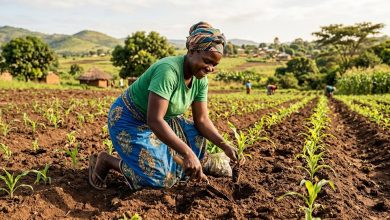
Kosamu also indicated that the company previously borrowed $12 million to develop 1 000 hectares (ha) for sugarcane, but only utilised 400ha, leaving loans unpaid.
Despite the setbacks, he expressed optimism that the company will meet its target of producing 22 000 metric tonnes of sugar this year with the new spare parts.
Kawale, in an interview, said he was excited with the company’s resilience and pledged to review support options.
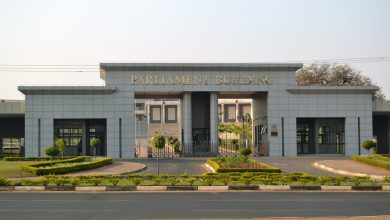
The minister also said the Sugarcane Industry Bill Parliament passed recently will help to boost sugarcane growing in the country.
Salima Sugar Company was established in 2015 as a public private partnership between the Malawi Government with a 40 percent stake and AUM Sugar and Allied Limited of India with 60 percent stake.
However, in 2023, Malawi Government terminated the shareholding due to alleged breach of contract after a forensic audit revealed that $35 million (about K61 billion) invested in the company could not be accounted for.