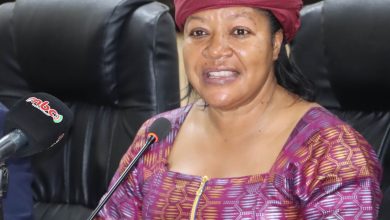
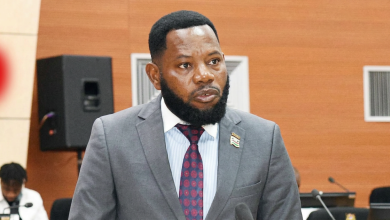
From May last year, the country has witnessed scores of violence in both public and private secondary schools, resulting in destruction of infrastructure, burning of teaching and learning materials as well as food items. The affected schools include Ilinga Private in Chitipa, Likoma, Chikwawa, Mulanje and Rumphi secondary schools as well as Edingeni CDSS, Manyamula CDSS and Luwerezi CDSS in Mzimba. In this interview with our Mzuzu Bureau Supervisor JOSEPH MWALE, Catholic University of Malawi (Cunima) Head of Education ALIPO KAPHWIYO says the current situation reflects the type of children and students Malawi is raising and moulding in homes and schools. Excerpts:

What do you make of these continued cases of violence in schools?
Deviant behaviour is inevitable and expected in schools. The current outbreak of violence as a way of students expressing their grievances reflects the type of children and students we are raising and moulding in our homes and the school. This is a shared responsibility. We are raising a generation that knows their rights, but not their responsibility. Such things happening in the school, which is responsible for moulding responsible citizens is a big red flag. It shows our education system lacks a holistic approach; the main focus is on academic excellence, with little focus on instilling ethical values. We are manufacturing educated savages.
What are the implications of these acts, and damages caused?
When school property is damaged, it is the very same students that suffer. They end up lacking learning space, learning materials, and in some instances, the school is closed. They are lowering their own education standards, and derailing their own progress. Efforts that would have been channelled towards improvement of education offered, is channelled towards repairing man-made damages. Instead of taking two steps forward, they are taking four steps backwards. Literally digging their own grave.
Why do you think students have resorted to violence rather than dialogue, or is it a psychological issue that needs psychological intervention?
Many factors could come into play. It could be a problem with the students, or maybe the school, or even both. Nevertheless, on our part as a society, we need to reflect on how we are raising and handling the students at home and at school. Are we instilling any ethical values in them? Are we teaching them that human rights come with responsibilities? Are we making any deliberate efforts to ensure we are moulding responsible citizens? Oftentimes actions of students reflect back on their homes and or the school. Students are raw materials, homes and schools are agents responsible for socialising these raw materials into the desirable end products.
What about schools?
Schools also need to reflect on how they handle grievances from students. Perhaps they unknowingly add fuel to the fire. Overall, in modern times, due to social change, schools need to think carefully about how they handle issues regarding students.
What can be done to deal with these cases?
To come up with relevant interventions, the reasons behind their actions must be understood from their perspective. That will enable schools to deal with the root cause of the acts of violence, and not just the symptoms. Needless to say this is not a one man’s show. These students are coming from families, their first and most important agents of socialisation, the foundation of their behaviours. It is the responsibility of parents and guardians to instil in them ethical values that make them responsible members of the society. Charity begins at home! On the other hand, schools as secondary agents of socialisation need to make deliberate efforts aimed at moulding the type of students/citizens they desire. This must be reflected in the school culture, and the day-to-day running of activities and handling of issues at the school. A child/student, is a tabula rasa, the society decides what to write on that slate. Collectively, let us ensure we are planting seeds whose fruits we desire, and will make us proud.