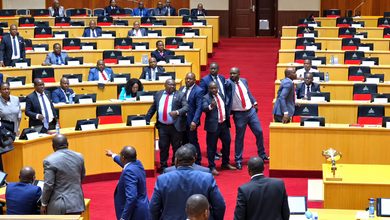
Political interference, weak parliamentary oversight and selective justice are key obstacles to the fight against corruption in the country, leading to stalling, collapse or failure to prosecute high-profile cases, stakeholders have stated.
During a recent multi-stakeholder dialogue on anti-corruption in Lilongwe organised by Youth and Society (YAS), National Anti-Corruption Alliance (Naca) and the African Institute for Development Policy (Afide), representatives of the Malawi Government, Malawi Law Society (MLS), civil society organisations (CSOs) and the Anti-Corruption Bureau (ACB) each acknowledged shortfalls that require urgent attention if the vice is to be dealt with.
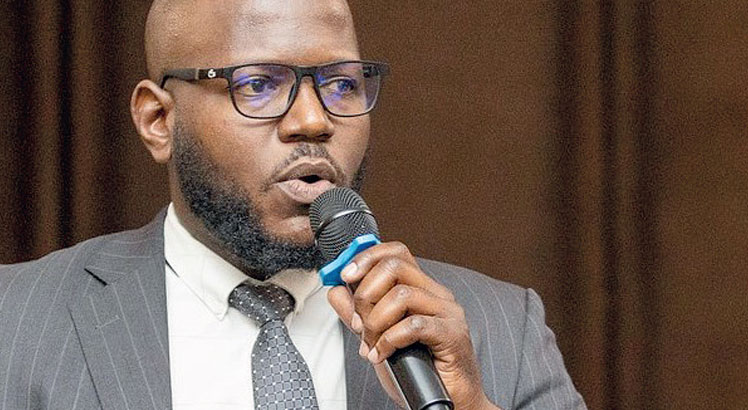
in the Judiciary. | Nation
In his presentation made available to The Nation, MLS vice-president McHarven Ngwata said the fact that no complaint or allegation suggesting corruption or attempts to corrupt a judicial officer has been dealt with in the country does not warrant a conclusion that corruption does not exist within the legal profession.
He said: “A survey by the Democratic Governance and Rights Unit [2022] established that 32 percent of the legal professionals in Malawi admitted to having engaged in bribery to get the help they needed from the court officials.
“Perception still exists as to the existence of corruption in the Judiciary [arguably, by extension, within the legal profession].”
Ngwata said an MLS assessment on the Judiciary’s complaints handling system noted gaps in awareness and accessibility, widespread concerns about trust and confidence as well as perceived lack of transparency which were said to be weaknesses enabling corruption.
While commending the establishment of the Independent Complaints Commission for the Judiciary (ICCJ), he said the institution needs powers to suspend or remove a judicial officer from office unlike currently where it can only make recommendations.
Representing the CSOs, Benedicto Kondowe called for the need for meaningful enforcement and institutional enhancement of the Public Officers’ (Declaration of Assets, Liabilities and Business Interests) Act of 2013.
He said: “Look at the whistle-blower protection law, Malawi still lacks a strong framework. Enacting this will help protect teachers, procurement officers, revenue collectors who report corruption.
“We also need a stop to politicisation of anti-corruption, where political opponents are pursued and allies protected through some suspicious discontinuance of corruption cases. This undermines public trust and weakens CSO collaboration with ACB.”
Presenting on ‘Corruption situation and trends in Malawi’, Afrobarometer director of surveys Boniface Dulani said persistent corruption stems from a weak rule of law that fails to adequately punish wrongdoing, which in turn creates incentives for corrupt behaviour.
He said: “Over two-thirds [68 percent] of Malawians say the overall levels of corruption have increased in the country. This issue is further worsened by an inefficient public sector characterised by excessive red tape.
“There is need to streamline public services by leveraging digital technology to enhance transparency and efficiency in government systems. Ensuring the independence of the ACB and a functioning Judiciary are essential conditions for mitigating corruption.”
The 2025 Corruption Perception Index (CPI) published by Transparency International (TI) shows that Malawi’s fight against corruption has stagnated, scoring 34 points since 2022.
Acting ACB director-general Gabriel Chembezi noted that for the past 14 years since the revelations of Cashgate—the plunder of resources at Capital Hill through inflated invoices, payment for goods and services not delivered—in 2012, the country has grappled with serious, systemic and organised corruption.
He said the bureau will ensure timely prosecution of matters, including reviving prosecution of cases that have stalled.
Said Chembezi: “Substantial effort will also be directed towards non-conviction-based asset forfeiture of proceeds of crime, including tracing illicit assets located outside the country.
“We will enhance our corruption prevention strategies by designing robust systems aimed at inspecting government’s practices, programmes and procurement contracts to detect and prevent corrupt tendencies at early stages.”
Minister of Justice and Constitutional Affairs Charles Mhango said the Office of the Attorney General will be reformed to act as an independent legal adviser to all the three arms of government—the Executive, the Legislature and the Judiciary—rather than advancing political agendas.
He said: “Malawi Police will have its independence restored, ensuring that public safety, crime reduction and law enforcement serve the people rather than political or tribal interests.
“The Directorate of Public Prosecutions will operate without fear or favour, eliminating selective justice and strengthening collaboration with other law enforcement agencies while the ACB is currently reviewing the lifestyle audit guidelines to be resubmitted to the Ministry of Justice for input and approval.”
YAS executive director Charles Kajoloweka said the commitments should be translated into action if the fight against corruption is to be won.
“They must translate into concrete action… into laws enforced, systems strengthened and power held accountable,” he said.
The dialogue was held under the theme ‘Re-imagining Malawi’s commitment in tackling corruption’.