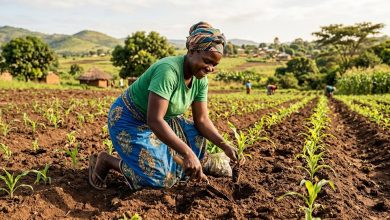
The Tea Research Foundation of Central Africa has urged farmers to adopt improved tea varieties resistant to diseases and pests, saying the move is critical to safeguarding the industry against climate change.
The foundation’s chief research scientist Nicholas Mphangwe said on Friday in Mulanje District during the organisation’s 60th anniversary commemoration that climate change has become a major threat to yields and quality.

“Climate change has greatly affected tea production over the years. Through research, we have developed improved tea varieties that are more resilient,” he said.
Mphangwe said smallholder farmers present the greatest opportunity for growth because most estates have limited land for expansion.
“Malawi tea remains competitive globally. However, there is still room for increasing productivity so that farmers can benefit more and the industry can continue growing,” he said.
Sukambizi Tea Association Trust chairperson Edison Maotchedwe said smallholder farmers face challenges such as low tea prices and rising production costs, which are eroding profitability.
“Production costs continue to rise, making it difficult for farmers to realise meaningful profits,” he said, calling for measures to improve returns and encourage investment.
Maotchedwe asked stakeholders in the tea value chain to explore measures that would improve returns for farmers and encourage further investment in the sector.
Tea contributes about seven percent to Malawi’s gross domestic product, according to the 2026 Malawi Government Annual Economic Report.
Tea Association of Malawi data show that about 27 000 smallholder farmers are engaged in tea production in Malawi.