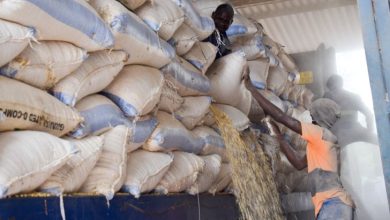
The tea industry exhibited mixed fortunes in August with output doubling to 2.9 million kilogrammes (kg) from 1.4 million kg while revenues declined to $2 million (K3.5 billion) from $2.4 million (K4.2 billion), latest figures show.
The increase in production comes after output plunged by 25 percent in the second quarter, according to figures contained in the Reserve Bank of Malawi (RBM) Monthly Economic Review for August 2025.

The report indicates that the volumes sold dropped by 400 000 kg to 1.9 million kg, a development that resulted in a decline in revenues to $2 million.
Reads the report in part: “Tea production was comparatively higher than 1.6 million kilogrammes produced in the corresponding month of 2024. The volume of tea sold decreased to 1.9 million kilogrammes from 2.3 million kilograms sold in July 2025.”
The average price of tea increased to $1.06 (about K1 856) per kg from $1.04 (about K1 821) per kg registered in the preceding month, resulting in a decrease of sales to $2 million from $2.4 million according to the report.
In an interview on Monday, Tea Association of Malawi chief executive officer Tonda Chinangwa noted that production dropped in the second quarter and remained low.
He said the industry expects improvements in the last quarter from October and December because of weather conditions.
He said: “This is the normal annual tea production trend in Malawi. Production is typically higher in the first quarter then drops during the second and third quarters, before picking up again in the fourth quarter. This pattern is mainly driven by rainfall distribution.”
In a separate interview, Trust Africa programme officer Beatrice Makwenda, whose firm is a key tea industry stakeholder that advocates for better collaboration between workers and companies, said they have engaged in a number of initiatives to boost tea output to strengthen smallholder institutions.
“The tea sector is decisively working towards improving both production and productivity by strengthening smallholder institutions and creating a conducive environment for social dialogue,” she said.
Makwenda said the changes in industry practice coupled with research programmes targeting modern varieties and technologies, will result in ethical tea production, which will sustain current markets and open new opportunities.
Tea is one of Malawi’s top foreign exchange earners, contributing about eight percent to foreign exchange earnings and 11 percent to the total national employment.
The tea industry employs about 60 000 temporary and permanent workers.