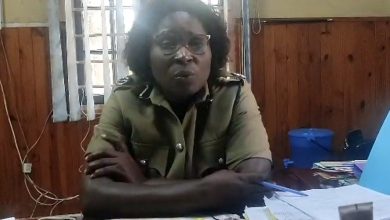
Human rights, gender and women activist Emma Kaliya says women should be incorporated in the ruling that allows minors to legally and safely abort a pregnancy conceived from a rape.
The NGO Gender Coordination Network in Malawi chairperson said the proposed Termination of Pregnancy (ToP) Bill propagates the inclusion of all groups of women, without discriminating adults.
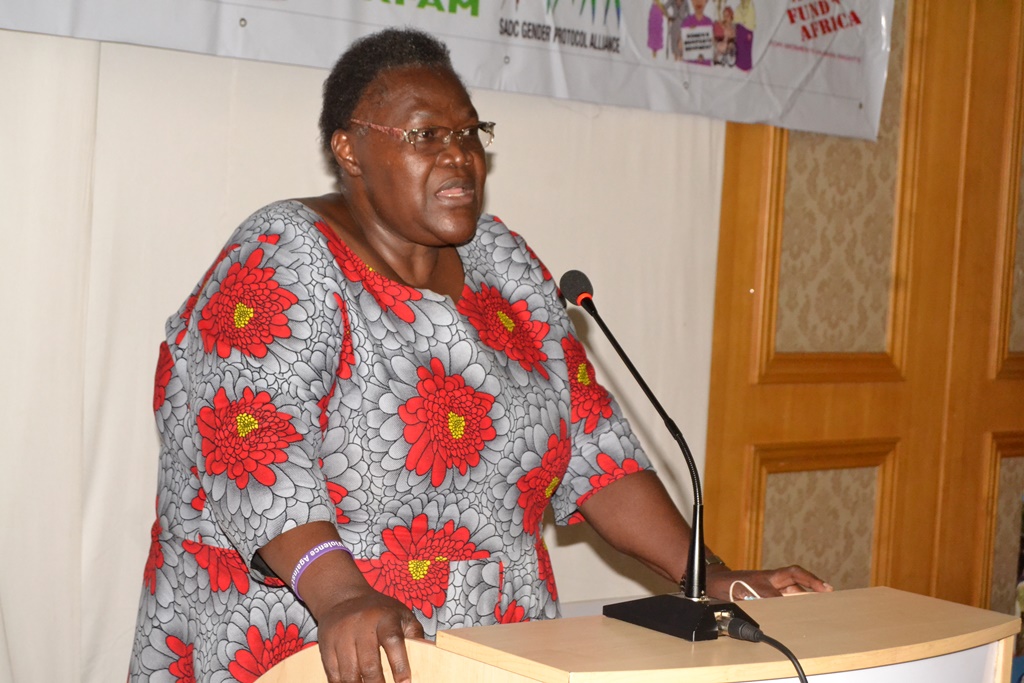
ToP wants to expand legal abortion beyond life-threatening cases to include pregnancies resulting from rape or incest, or those where the fetus has a serious malformation.
“What would be the basis for isolation when we reflect on the proposed bill? The ministries of health and justice should consider all groups even where the judgment focuses on minors.
“Indeed, the complainant was a minor and that is why the judgment dwelt on this age group and the judge could not incorporate women.. Our advocacy goes towards that,” she said.
Kaliya observes that sexual assault is the same for a minor and adult, the only difference being that the woman can decide to have the baby while the girl should not even become pregnant under any circumstance.
Sexual and Reproductive Justice Network (Sejun) lawyer Mateyu Sisya, while agreeing that women were excluded because they did not move the courts, said they (women) can move the courts through judicial notice to be recognised in the ruling.
The High Court of Malawi on October 28 2025 ruled that girls who have experienced sexual violence, if they wish, are free to seek safe abortions without any obstacles.
The ruling was prompted by a case in which a minor sued a healthcare provider, a medical facility and the Ministry of Health for infringing upon her sexual and reproductive health rights, as she was initially denied access to a safe abortion after defilement.
In it, Justice Michael Tembo said a purposive interpretation of section 19 of the Gender Equality Act entails that a girl victim of a sexual offence who is pregnant as a result of such an offence has a right to seek an abortion.
Meanwhile, Sejun is urging the Malawi Government to immediately implement the ruling that affirms the right to safe abortion for minors who are victims of sexual violence.
The network made its reiteration in a statemetne on Tuesday as part of the 16 Days of Activism Against Gender Based Violence which starts on November 25 up to December 10 each year.
Sejun chairperson Dr. Godfrey Kangaude said: “The ruling is a landmark moment for justice and rights for girls who are victims of defilement and incest in our nation.”
Co‑chairperson Miriam Chilemba added that the decision restores dignity to minors previously blocked from comprehensive sexual and reproductive health services.
“It is imperative that the government act swiftly to implement policies that protect the rights of sexual‑violence victims, ensuring they have access to safe abortion services. No girl should be forced to suffer further as a result of her defilement,” she said.
National Coordinator of the Religious Leaders Network for Choice the Reverend Cliff Nyekanyeka said: “If we truly believe life is sacred, we should also recognise that a girl’s body is sacred. No one should be allowed to defile her sanctity, let alone force her to keep a pregnancy she never planned to have.”
Sejun is urging the Ministries of Health, Gender, Justice, the Malawi Human Rights Commission, parliamentarians, healthcare providers and civil‑society groups to collaborate on a framework that prioritates the health and safety of girls and women.
The Gender Equality Act (2015) enshrines sexual and reproductive health rights, but the recent ruling reinforces that victims of sexual violence must not face further harm through denial of safe abortion services.
ToP was first proposed in 2015, but has not yet been debated by Parliament due to opposition, primarily from religious groups citing moral concerns.
While the current law allows abortion only when the mother’s life is at risk, the proposed bill aims to address high rates of unsafe abortions and reduce maternal mortality.