The UK last week announced a shift in its aid priorities to Malawi, raising fresh concerns about the country’s donor-dependent health sector. Our News Analyst WYCLIFFE NJIRAGOMA spoke to Parliamentary Committee on Health chairperson ANTHONY MASAMBA on the potential impact and the need for sustainable domestic financing.
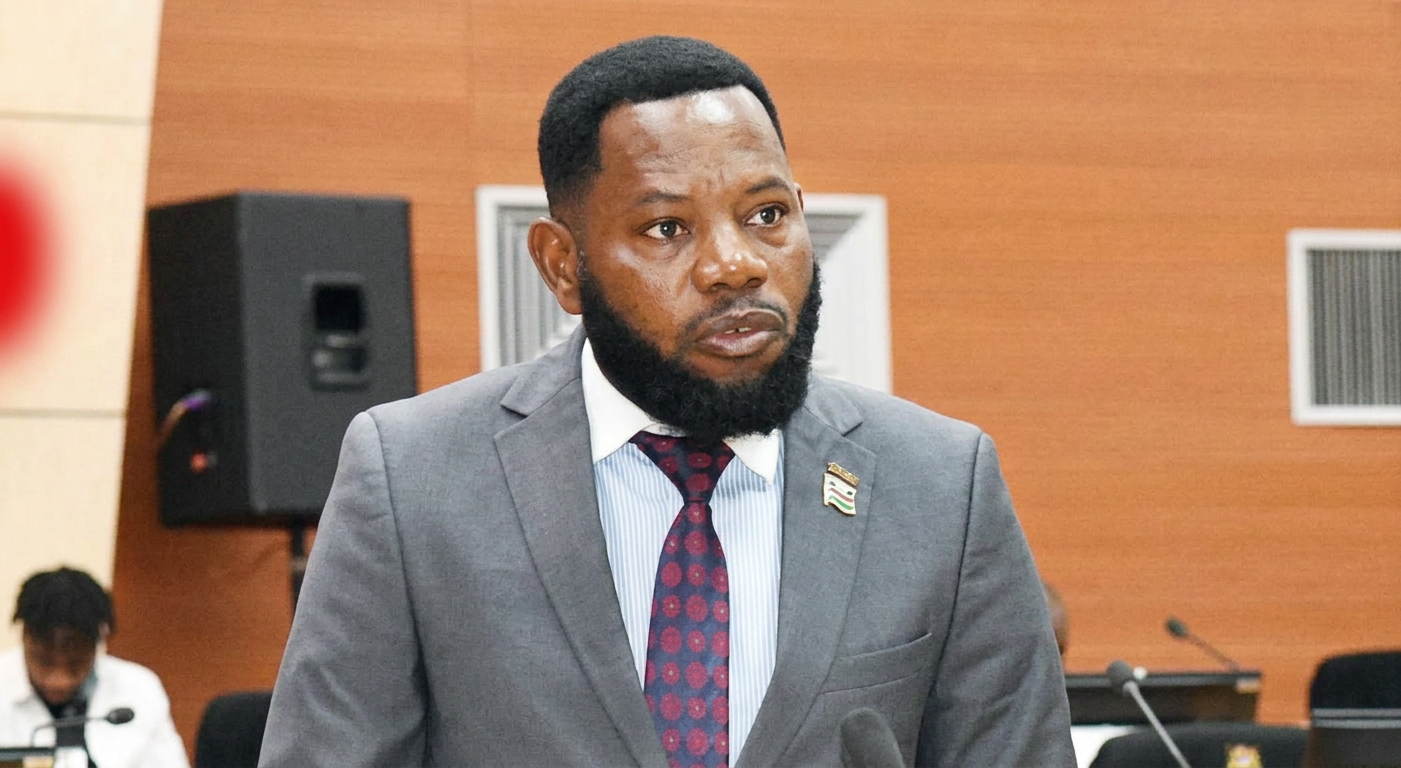
Q. What was your reaction to the UK’s aid shift, considering its support for Malawi’s health sector?
A. I received the news with concern, but it is also a reminder that Malawi must strengthen the resilience of its own health system. The UK has been a key development partner for many years. Through the Malawi Health Sector Support Programme, it has supported essential services, including malaria treatment, bed net distribution, TB treatment, skilled deliveries and childhood immunisation. Any reduction in support requires careful planning to avoid disrupting essential services. At the same time, it should motivate us to accelerate efforts to build a financing system that relies more on sustainable domestic resources while maintaining strong partnerships.
Q. How exposed is Malawi’s health system to reductions in external financing?
A. Our health sector has benefited significantly from external support, especially in programmes requiring long-term investment. HIV, TB and malaria interventions depend on continuous financing for medicines, diagnostics, prevention, community outreach and monitoring. Malawi has made important progress through these partnerships. Any reduction in donor support therefore requires careful risk assessment to protect the gains achieved and ensure vulnerable groups continue accessing life-saving services.
Q. Which areas could be affected first if donor financing declines further?
A. The greatest risks are in programmes that rely heavily on donor funding, particularly disease prevention, community outreach, health promotion, surveillance systems and some aspects of health workforce support. However, we should avoid unnecessary alarm. Government, Parliament and development partners must identify critical programmes, assess financing gaps and develop transition plans. Essential health services should not depend entirely on external funding. Partners should complement, rather than carry, the country’s health investment.
Q. Does the changing aid environment expose weaknesses in Malawi’s health financing model?
A. It highlights a challenge Malawi has discussed for years: how to finance healthcare sustainably. Health needs continue growing while available resources remain limited. We have consistently fallen short of the Abuja Declaration target of allocating 15 percent of the national budget to health. But increasing funding alone is not enough. We also need greater efficiency, accountability and innovative financing. The issue is not only how much we spend, but how effectively we use available resources.
Q. There have been proposals for alternative financing mechanisms, including National Health Insurance, performance-based financing and sin taxes. Why should Malawians consider these options?
A. We need an honest national conversation on health financing. Malawi cannot continue relying mainly on government allocations and donor support while healthcare demands keep increasing. Different financing options deserve careful study. For example, targeted levies on products linked to public health problems—commonly called sin taxes—could generate additional resources while discouraging harmful consumption. Similar approaches have worked elsewhere. Performance-based financing, where facilities receive resources according to services delivered, could improve accountability if properly implemented. National Health Insurance also deserves consideration, provided it remains equitable and does not exclude poor and vulnerable Malawians. However, previous studies suggest insurance alone cannot close the financing gap.
Q. Critics argue Malawi cannot continue depending on donors when domestic financing remains inadequate. What should government prioritise in future budgets?
A. Government should continue increasing investment in health while safeguarding funding for medicines, health workers, primary healthcare, infrastructure and preventive programmes. Parliament must also strengthen oversight to ensure every kwacha allocated to health delivers value for citizens. Our long-term objective should be a health system where external support strengthens programmes instead of determining whether basic services function.
Q. With the UK shifting towards more multilateral support, how should Malawi engage development partners?
A. Malawi should engage partners strategically while ensuring national priorities remain central. Development assistance is most effective when aligned with national health priorities and focused on strengthening local systems. Government, Parliament and development partners also need stronger coordination so funding changes are anticipated rather than reacted to after programmes are affected. The health sector should have clear transition plans identifying programmes that still require external support and those that can gradually be financed domestically.
Q. What is your message to government, development partners and Malawians as the global aid environment changes?
A. This moment calls for responsibility and innovation. Development partners have made an invaluable contribution to strengthening Malawi’s health system, and we appreciate that support. At the same time, Malawi must recognise that long-term health security cannot depend on external financing alone. We need stronger domestic resource mobilisation, improved efficiency and sustainable financing mechanisms. Our goal should be a health system where every Malawian can access quality healthcare regardless of where they live or their ability to pay. The changing global aid environment should encourage us to build a stronger and more self-reliant health sector.