The US Embassy in Lilongwe has clarified that biological specimens from Malawi will only be shared with Washington during public health emergencies and disease outbreaks to facilitate development of diagnostics, treatments and vaccines.
Specimen sharing is part of a broader five-year $936 million (K1.6 trillion) bilateral health cooperation agreement under which the US intends to provide up to $792 million (about K1.3 trillion) to support Malawi’s efforts to combat HIV and Aids, malaria and other infectious diseases.
The package also includes a component aimed at strengthening disease surveillance and outbreak response.
The specimen-sharing agreement, signed on February 11 2026, also seeks to strengthen global health security by supporting outbreak response and the development of diagnostics and medical countermeasures.
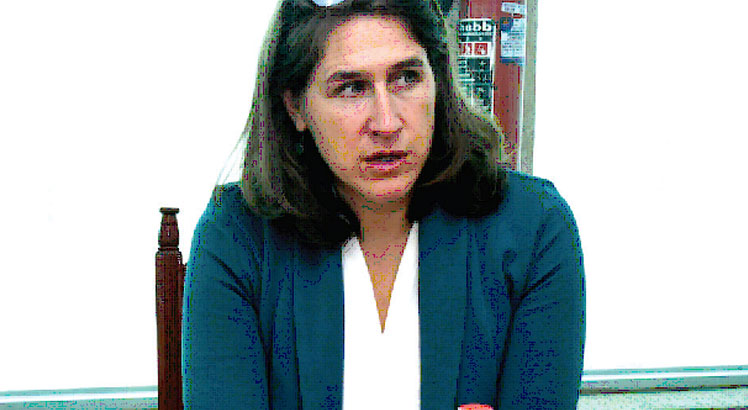
identifiable information. | Bobby Kabango
In a written response to a questionnaire, US Embassy spokesperson Amy Petersen said the specimen-sharing agreements codify specimen sharing that countries have already been doing for decades through US foreign assistance and technical collaborations across different US government agencies.
She said: “Rapid and transparent specimen sharing helps enable a rapid, coordinated response to public health emergencies in recipient countries and efforts to accelerate the development of diagnostics, therapeutics and vaccines.
“Long-term cooperation on detecting and responding to outbreaks of dangerous pathogens benefits all countries, including the United States.”
Petersen said the agreement includes benefit-sharing provisions that address access to medical countermeasures developed by US entities, primarily from the use of specimens and associated data from the country that shared the specimen.
She added that the agreements do not allow access to personally identifiable information.
Said Petersen: “Neither the US government nor any private American companies receive or review any personally identifiable information [PII] under these data sharing agreements. Any notion to the contrary is false.
“Streamlined and robust data systems within both partner countries and the US are critical to improve health outcomes in partner countries and keep Americans safe.”
In an earlier interview, Ministry of Health and Sanitation spokesperson Benedicto Mbewe said safeguards were built into the framework.
“No specimen shall be shared without authorisation from the Malawi Government in accordance with existing laws and internationally agreed protocols,” he said.
Under the agreement, Malawi will share requested specimens within seven days of a US request, while the US, in return, pledges to give Malawi priority access to any resulting diagnostics, vaccines or therapeutics, “immediately after meeting its own domestic needs”.
Society of Medical Doctors president Victor Mithi said the agreement offers early detection, faster clinical and public health responses, and opportunities for innovation while building national capacity with trusted partners externally.
However, he said the agreement should have clarified Malawi’s rights to products developed from samples, including specific cost reductions or other benefits for Malawi.
“If we don’t exactly know the nature in which that sample has been shared for what specific purpose, then that creates a challenge of really understanding whether it has indeed just been shared by 10 institutions or if it has gone beyond that,” said Mithi.
International Coalition on Health Financing Advocacy chairperson Maziko Matemba said the “US-first” clause is a major limitation.
“During a severe global pandemic, US domestic demand could consume manufacturing capacity for months, leaving Malawi vulnerable despite having provided the foundational data,” he said.
Malawi Health Equity Network executive director George Jobe said collaboration should be founded on equity and mutual benefit.