Key functions once Vice‑President Jane Ansah oversaw have been transferred to the Office of the President and Cabinet (OPC) and President Peter Mutharika has appointed George Partridge as Governor of the Reserve Bank of Malawi (RBM).
The twin developments have fuelled debate about a recentralisation of power at State House.
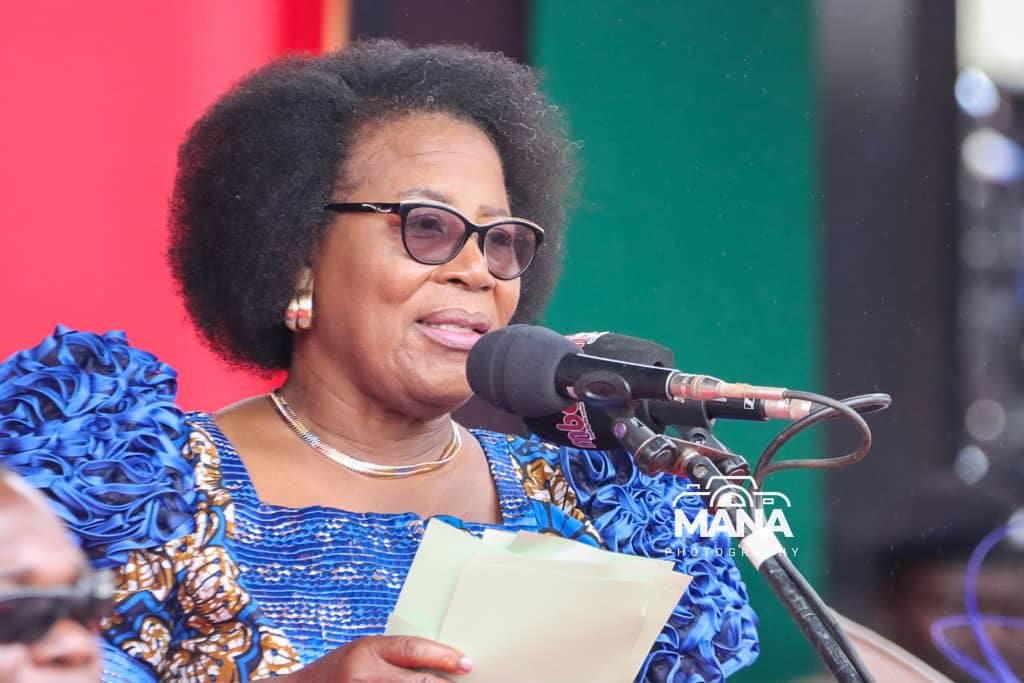
Two administrative decisions in January removed responsibilities from the vice‑presidency and placed them under OPC. On January 10 2026, the Department of Disaster Management Affairs (DoDMA) was moved from the Vice‑President’s office to OPC.
A subsequent communication from Chief Secretary to Government Justin Saidi dated January 23 2026 directed that the Department of Public Sector Reforms Management (PRSRMD) be relocated to OPC.
In a statement on the latter move, Saidi said the transfer was intended to “align and consolidate PRSRMD functions to centrally facilitate reforms across ministries, departments and agencies,” and to “promote political accountability of the Presidency to the public on the Public Sector Reforms.”
But the reassignments have prompted speculation about the political relationship between the President and his deputy. National Advocacy Platform chairperson Benedicto Kondowe described the pattern as a “clear recentralisation of power around the presidency.”
I Nation
Kondowe acknowledged that the President has constitutional authority to reorganise government functions, but he warned that the timing and sequence of the moves are politically significant.
“Two major functions previously associated with the Vice‑President’s office being reassigned within a short period inevitably fuels perceptions of a fallout or diminishing political trust.
“While framed as administrative reform, the move also reshapes internal power balances and weakens the Vice‑President’s institutional influence,” he said
Human Rights Defenders Coalition chairperson Micheal Kaiyatsa expressed similar concerns, saying the transfers could marginalise the vice‑presidency and undermine the reforms agenda.
Political analyst George Phiri suggested the decisions may have been driven in part by the urgency of disaster response and public‑sector reform needs, but warned of longer‑term consequences.
“In the long term, the decision leaves the vice‑presidency with little work to do and risks reducing it to a ceremonial office,” he said, adding that a review and strengthening of the vice‑presidency might have been a preferable alternative.
Observers also pointed to precedent: during his first term, President Mutharika reassigned functions after relations with his then vice‑president, the late Saulos Chilima, deteriorated.
Attempts to obtain a comment from Vice‑President Ansah for this report were not successful by deadline.
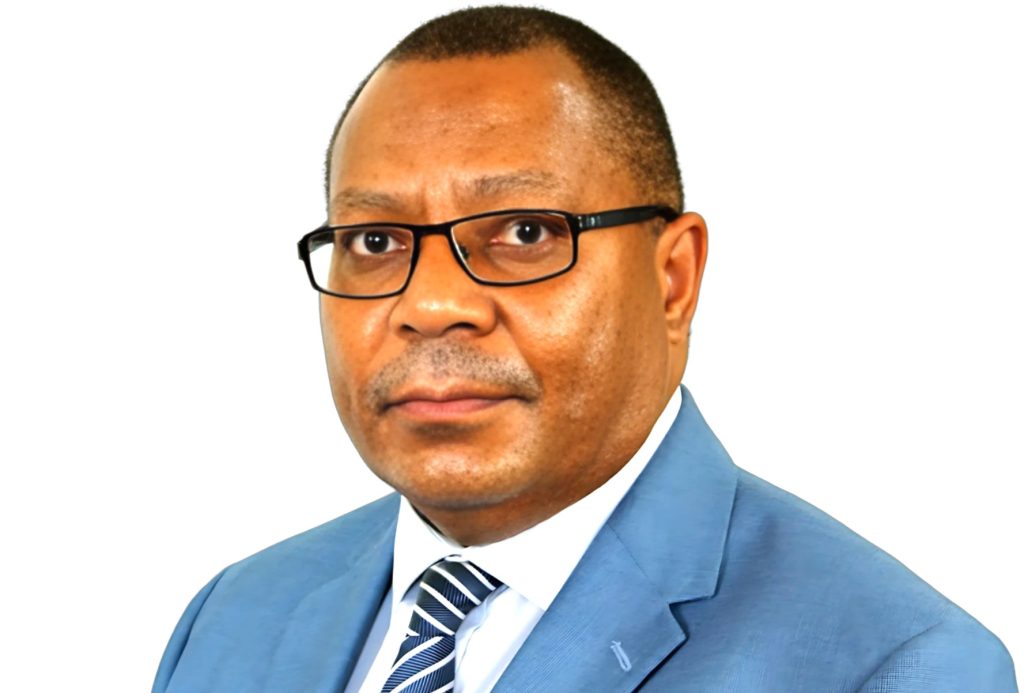
Meanwhile, Mutharika has appointed Partridge as RBM Governor. Partridge, who until his appointment served as Minister of Industrialisation, Business, Trade and Tourism, replaces MacDonald Mafuta Mwale, who was appointed by the previous administration in January last year.
A statement published on Friday and signed by Saidi said the appointment takes effect immediately and cited the President’s powers under Section 89(1)(d) of the Constitution. The statement did not specify the status of the outgoing governor; in a brief interview Saidi said the public would be notified.
Economists and market watchers say the new RBM governor faces urgent challenges.
Edward Leman, an economics lecturer at the University of Malawi, said he expects the incoming governor to combine demand‑side monetary policy with “more innovative supply‑side interventions” to tackle inflation and exchange‑rate volatility.
“Malawi’s economic challenges are largely structural,” Leman said. “Many can be sustainably addressed through increased domestic production and productivity.”