The rainy season is almost at a peak and so is the annual national tree planting spree.
As usual, the rainy months dedicated to making Malawi green again got underway with an ambitious target to plant 41 million trees in degraded spots.

This is not surprising for the country, whose National Forestry Landscapes Restoration promises to make 4.5 million degraded hectares green again by 2030.
However, it appears uncurbed ambition to balance the figures has left the nation sleepwalking into a costly crisis: Wasting billions as both authorities and ordinary Malawians appear to only mind the numbers, not the trees that grow to replace those annihilated by the rapidly growing population.
Here, tree planting thrives on numbers, not roots.
There was more of the same in 2025, the 20th anniversary of the memorable day when a bold Bingu wa Mutharika travelled to Rumphi Catholic Primary School and planted a tree that wilted to announce a switch from what used to be a national tree planting day to the season under scrutiny.
Malawi closed 2025 bragging that it had planted millions of trees, but most of the seedlings were dead and buried soon after the guests of honour and camera-armed journalists returned to their bases.
As the 2024–25 tree planting season opened, politicians, pupils, civil servants and non-governmental organisations spread across bare spots, including hillsides and school grounds, with hoes in hand and seedlings in black polythene tubes.
Speeches were made and photos taken. The President announced a lofty target of 40 million trees with a familiar promise to heal the forests and lessen climate shocks.
By the close of the rainy season in April, the Department of Forestry reported that the country had planted over 50 million trees, beating the target by a cool 10 million.
On paper, progress looked impressive.
But on the ground, the green cover was thin and many wonder: Where are the trees planted this year?
Department of Environmental Affairs spokesperson Tikondane Vega says only 60 percent of the trees planted this year survived.
Some researchers report that up to half of the seedlings go to waste due to lack of care and obsession with tree-planting ceremonies, not what it takes to ensure each grows and thrives.
Across hillsides and community grounds, young trees are left unattended, consumed by livestock and summer fires. In many places planting ended where ceremonies ended.
“It’s not that people don’t want to plant trees,” says Vega “We focus too much on numbers planted, not trees growing. After planting, there is little monitoring and little ownership.”
Wildlife and Environmental Society of Malawi environmental education and communications manager Ausward Bonongwe warns that poor planning and weak after-care undermine tree survival rates, which hover around 65 percent in the Northern Region.
He says: “A lot of companies come once the planting season commences, but proper planning is needed before planting. You need the right site, the right soil, and the right species.
“Unfortunately, some companies defy these requirements and their seedlings do not survive. They should follow the tree-planting calendar and take care of the newly planted trees.”
Forestry records show survival is uneven.
Chief forestry officer Ulemu Chitenje says at least 75 percent of the trees planted in government-managed plantations survive, but the figure drops to 60 to 65 percent on customary land.
Where land is fenced and managed, most trees live; in open, competing landscapes, many are lost.
Trends in 2025 underlined a harsher reality: Deforestation continues to outpace restoration.
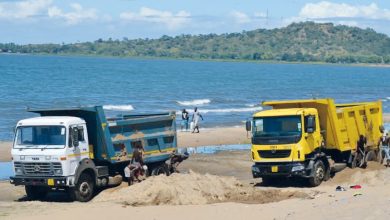
The country loses an estimated 33 000 hectares of forest each year amid surging demand for fuelwood, charcoal, building materials, new settlements and expanded farmlands.
However, annual tree-planting drives struggle to keep up as an average Malawian plants a seedling by day and cuts several mature trees at night.
At least 95 percent of communities urged to protect forests rely on firewood and charcoal for cooking, as sustainable alternatives remain scarce and unaffordable.
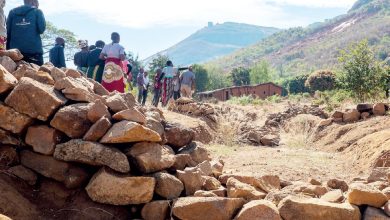
Meanwhile, climate shocks have become more frequent and devastating, with cyclones, floods and dry spells hitting in quick succession as hillsides become treeless, rivers silted and crop fields gullied.
As calls for reforestation grew louder, desperation worsened alongside the loss and damage.
Environmental activists say the tree-planning campaign is trapped in symbolism. Without secure land tenure, incentives for communities and consistent enforcement, they say, seedlings are planted into uncertainty.
Schools and traditional leaders are enlisted annually, but few receive resources to water, fence or replace dead seedlings. Forestry departments remain understaffed and underfunded, stretched thin across vast areas.
For the current season, the government targets planting 41 million trees and allowing stumps on 4 000 hectares to sprout again.
Vega says improved monitoring, earlier seedling distribution and closer coordination with councils and communities, along with survival audits and awareness campaigns, are part of a strategy to raise success rates.
Yet the bare patches are expanding with no clear messages, resources and mindset shifts to ensure every seedling grows to cover the bare grounds.
As the rains and photos keep pouring, the survival rates call for lasting cutbacks.
Until success is measured by trees that survive, not numbers policymakers announce on camera, forests will continue to disappear faster than seedlings can replace them.