Minister of Finance, Economic Planning and Decentralisation Joseph Mwanamvekha yesterday placed the country’s four most critical economic pressure points—fuel, food, forex and fertiliser—at the centre of his 2025/26 Mid-Year Budget Review, outlining measures aimed at restoring stability in the months ahead.
Presenting the statement before Parliament, Mwanamvekha noted that severe fuel shortages had disrupted production, transport and retail activity, contributing to the downward revision of growth to 2.7 percent.
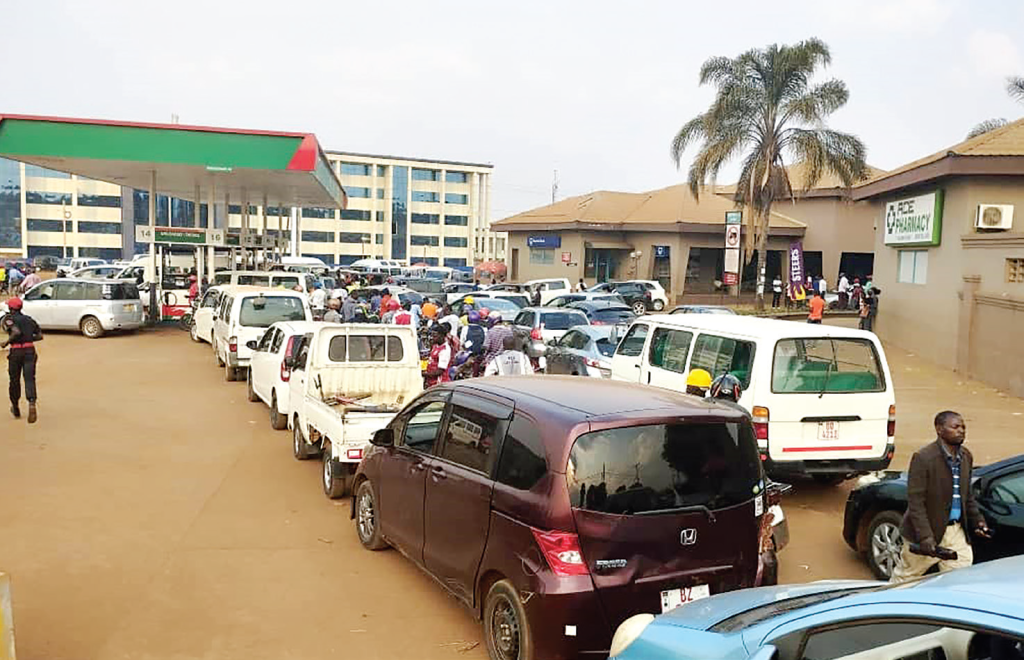
He linked the shortages to chronic forex constraints and said government would prioritise fuel importers in foreign currency allocations while tightening reserve management and repatriation rules.
Figures from the Reserve Bank of Malawi show that the country’s import cover has consistently hovered below 2.4 months, far below the required 3.9 months of imports financial institutions recommend for credit-constrained economies like Malawi.
Mwanamvekha said the aim was to “restore predictability” in fuel-supply chains and ease the disruptions that have weakened productivity across the economy. However, the update did not detail the financing mechanism for future imports, leaving implementation risks unresolved.
Maize purchases, support to improve yields
Food remains one of the most urgent challenges, with all districts currently under disaster declarations. Rising maize prices continue to drive inflation, now projected at 28.5 percent in October—far above the 22.3 percent assumed in the original budget.
Government has allocated additional funding for maize purchases, transportation and storage to stabilise supply. Mwanamvekha signalled that imports may be increased if domestic stocks remain insufficient, warning that food security could deteriorate without decisive intervention.
Controls to improve forex reserves
Mwanamvekha said forex shortages remain the “core driver” of instability, constraining imports, slowing project execution and weakening revenue performance.
To address leakages, government has shortened the export proceeds repatriation period, intensified compliance at border points and expanded the Reserve Bank’s gold-buying programme. Authorities have also strengthened restrictions on illegal forex trading and announced measures to curb unreported mineral and agricultural exports.
The interventions aim to improve liquidity and align forex allocation with productive and strategic imports.
Expanded Fisp despite fiscal pressure
Fertiliser remains a major cost driver, but government has increased number of Fisp beneficiaries to 1.1 million, thereby adding pressure on the revised budget at a time borrowing needs and inflation are rising.
Mwanamvekha defended the decision, arguing that stable access to fertiliser was essential to protect the 2025/26 agricultural season and avert deeper food insecurity. “Government cannot compromise the coming agricultural season,” he said.
Balancing act ahead
The 4Fs lie at the heart of Malawi’s economic pressures. While the interventions signal a shift towards stabilisation, the broader fiscal context remains difficult: a revised budget of K8.589 trillion, a deficit projected at K3.128 trillion, and money supply growth above 50 percent.