Environmental expert Professor Sosten Chiotha has commended Women Network in Climate Action of Malawi (Wonecam) for intensifying efforts to place women at the forefront of climate-change response.
He observed that women, who shoulder the burden of food production, water collection, and household energy, are disproportionately affected by droughts, floods, and land degradation yet they also hold critical knowledge for building resilience.
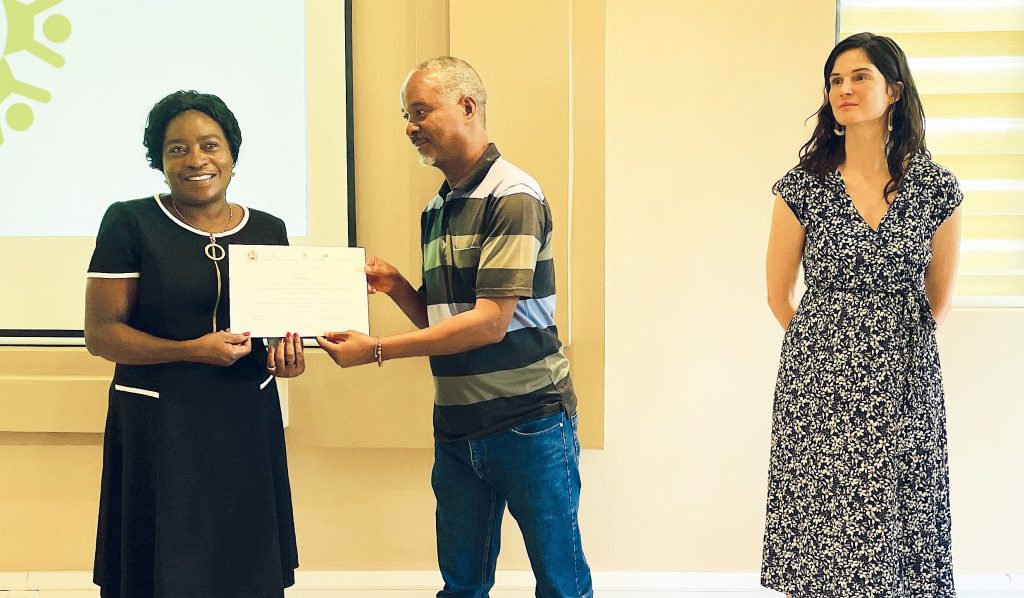
Chiotha, who is also Leadership for Environment and Development (LEAD) Southern and Eastern Africa Regional Director, stressed that communities where women actively participate in planning tend to recover faster and adopt sustainable practices more effectively.
“The climate shocks put women in a vulnerable position as such people take advantage. It’s not only physical but also psychological,” he said
Through Canada Climate Action Africa and partner agencies, the Wonecam has supported programmes promoting climate-smart agriculture, renewable energy adoption, and sustainable natural-resource management in several districts. Women farmers are being trained in conservation agriculture, irrigation technologies, agroforestry and soil restoration, helping them increase yields despite unpredictable rainfall patterns.
In flood-prone areas, women’s groups are participating in the design of early-warning systems and disaster-preparedness plans, strengthening community-level response.
Joyce Mwale, a lead farmer from Mzimba, expressed gratitude towards the initiative starting that it will provide them knowledge and expertise to improve their farming.
“Since Wonecam came in our community our farming practices have improved significantly, “she said.
Stakeholders are now urging government and development partners to scale up these interventions, arguing that Malawi cannot achieve long-term climate resilience without fully harnessing the leadership, innovation, and lived experiences of women across rural and urban settings.
Wonecam country coordinator Jennifer Mkandawire says women are the most vulnerable when disasters hit as such they need to be equipped as agents of change and not victims.
“We want to increase awareness so that more women participate in climate action”, she said.
Established in 2021 under the ministry of gender children and disability welfare Wonecam has actively campaigned for women rights in climate change action.