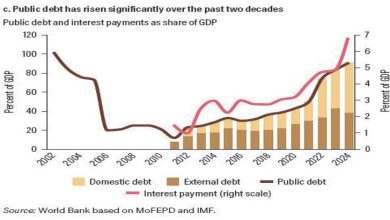
Malawi’s macroeconomic conditions are expected to worsen further this year, with persistent inflation, foreign exchange shortages and rising fuel costs likely to continue straining households and businesses.
The pressures, according to the latest update by the US funded Famine Early Warning Systems Network (Fewsnet), are set to sustain increases in the cost of imported goods such as fuel, fertiliser and medicines, further squeezing real incomes and consumer spending.
Reads the report in part: “Macroeconomic conditions are expected to deteriorate further than previously anticipated. Economic growth is likely to remain slow amid persistently elevated headline inflation and limited fiscal and external buffers.
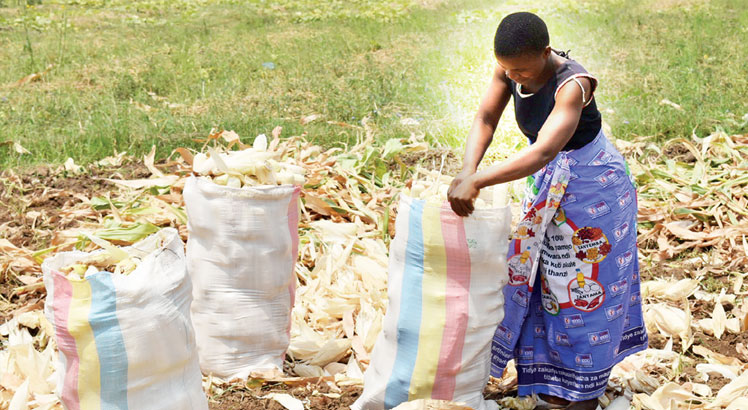
“Foreign exchange availability is expected to become more constrained, driven by the below-last-year tobacco earnings, weak overall export performance, high energy costs, and continued import dependence amid declining foreign currency reserves.”
Fewsnet observed that the 35 percent fuel price increase implemented in April, the fourth adjustment in eight months, is already pushing up transport and operating costs, worsening pressure on both food and non-food prices.
Although headline inflation remained stable at 24 percent between February and March 2026, maize prices were still nearly 70 percent above the five-year average, limiting food access for market-dependent households.
In its previous update, Fewsnet projected that macroeconomic conditions were expected to remain strained through September 2026 while inflation was likely to ease modestly following reductions in food prices, but that overall annual headline inflation was expected to remain elevated.
However, parallel market exchange rate premiums were expected to persist as continued foreign exchange shortages and below-average reserves was expected to further constrain import capacity.
Projections were also that maize grain prices would start declining in March/April, with prices expected to remain about 60 percent above the five‑year average but around 20 percent lower than the same time last year. From June to September, prices are expected to fall below last year’s levels by about 30 percent.
In an interview, Centre for Social Concern economic governance officer Agness Nyirongo warned that without urgent reforms to restore fiscal discipline, stabilise markets and diversify the economy, “Malawi could remain stuck in a cycle of weak growth and deepening poverty”.
National Planning Commission director general Frederick Changaya said sustainable macroeconomic stability will come from deliberate improvements in resource allocation, productivity and structural transformation, rather than short-term policy fixes alone.
Last month, the World Bank said Malawi’s macroeconomic instability will remain entrenched due to unsustainable fiscal, monetary and exchange rate policies, resulting in high inflation and declining living standards.
Meanwhile, Ministry of Finance, Economic Planning and Decentralisation has developed a Malawi National Recovery Plan, a subset of the Malawi 2063 (MW2063) First 10-Year Implementation Plan.
MW2063 is the country’s long-term development strategy which seeks to transform the economy to lower middle-income status by 2030 and upper middle-income status by 2063.