The Chamber of Mines and Energy says the suspension of new mining licences is slowing Malawi’s efforts to revive the extractive sector and attract investment even as some projects advance towards production.
The Malawi government suspended new licences, launched a nationwide mining audit and banned raw mineral exports pending a legal review, with President Peter Mutharika saying the measures seek to improve transparency and ensure Malawi benefits more from its mineral resources.
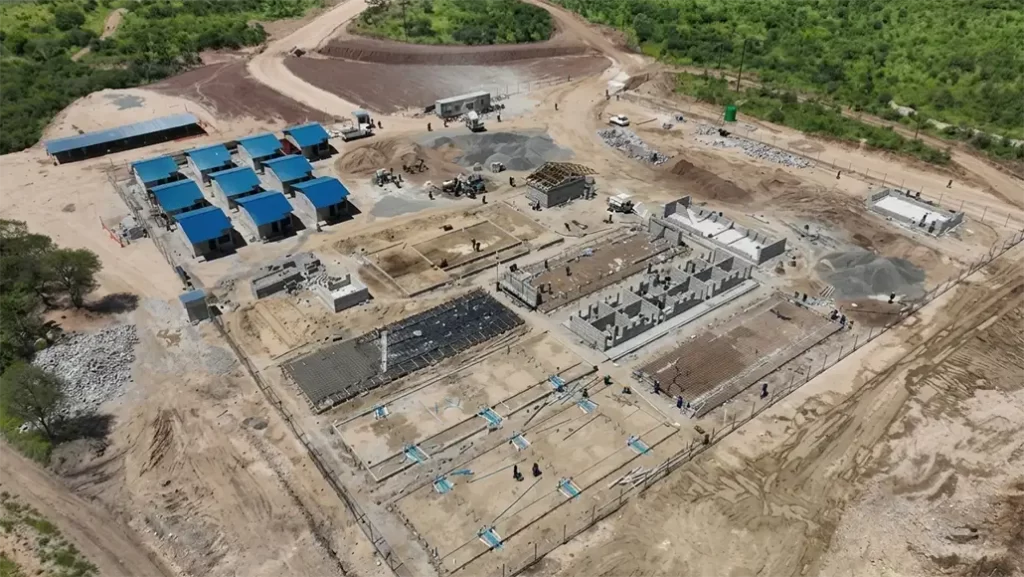
Speaking during a visit to Lindian Resources Limited’s Kangankunde Rare Earth Project in Balaka District on Saturday, the chamber’s national coordinator Grain Malunga said lifting the suspension would allow the mining sector to resume activities and contribute more to the economy, particularly through foreign exchange generation.
He said mining currently contributes about one percent to the country’s gross domestic product (GDP) partly because Malawi lacks operational medium and large-scale mines capable of generating significant export earnings.
Said Malunga: “We have been brought back by the suspension of the administrative processes.
“We are waiting to have this ban lifted so that we can continue with our activities and be able to contribute to the economy of the country.”
He said the chamber is also working with mining firms to promote compliance with legislation and its code of ethics while improving public confidence in the sector.
The 2026 Malawi Government Annual Economic Report puts mining’s contribution at about one percent of GDP, which is below the levels anticipated before the prolonged suspension of Kayelekera Uranium Mine.
The concerns come as Kangankunde advances towards production, with Lindian targeting mine commissioning this October and first production in the fourth quarter of this year.
Lindian Resources Limited country manager Martin Kaluluma Phiri said blasting began about one-and-a-half months ago, with material now being hauled and stockpiled ahead of processing.
He said construction of the processing plant is underway and the company expects processing to begin towards the end of the year.
“We expect a profitable venture and that all parties will benefit. The government will collect its revenues, we will make our profit and the community should also benefit,” said Kaluluma Phiri.
The African Sovereign Debt Justice Network earlier said the temporary licensing halt gives the government greater control over the sector’s expansion, leaving authorities with the challenge of balancing tighter regulation with investor certainty as Malawi seeks to increase mining’s contribution to growth, exports and foreign exchange earnings.
When operational, Kangankunde Mine is projected to generate $114 million (about K200 billion) per year over a 40-year period, according to a feasibility study report the company released this year while output is estimated to increase from the 15 000 metric tonnes (MT) to 50 000MT annually.
From the operations, the Malawi Government will earn $5.56 million (about K9.7 billion) in royalties on top of income tax and other taxes from the rare earth minerals.