Blantyre District Health Office (DHO) has reported a decline in sexually transmitted infections (STIs) during the first half of 2026 compared to the same period last year.
According to DHO statistics, the district recorded 9 869 STI cases between January and June 2026, down from 10 740 cases registered during the same period in 2025, representing an 8.1 percent reduction.
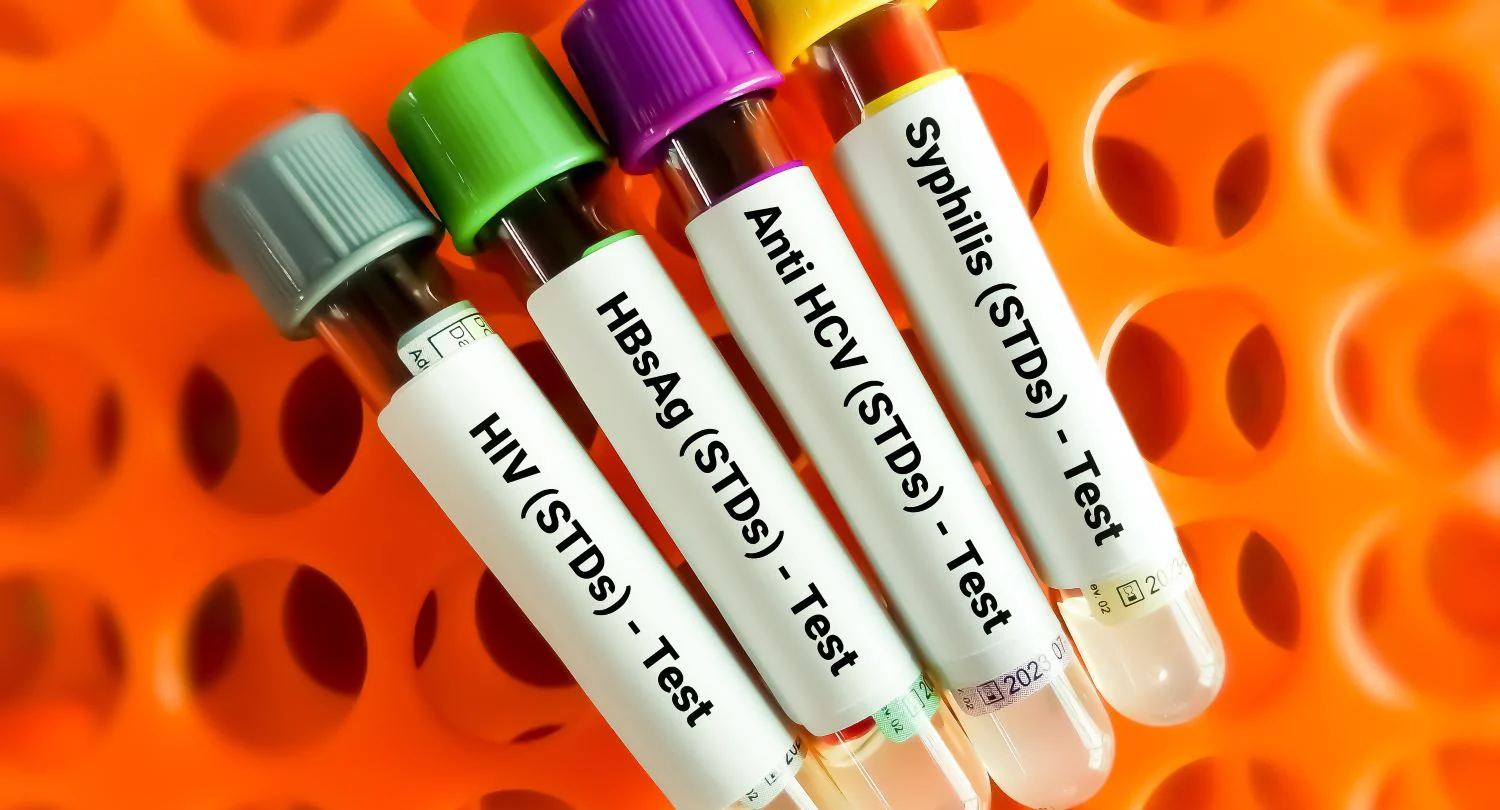
Blantyre health promotion officer Wongani Mbale attributed the continued occurrence of STI cases to low risk perception among some members of the public, failure to use condoms and misconceptions surrounding the use of pre-exposure prophylaxis (PrEP).
“Some people feel that as long as they are on PrEP, there is no need to use other protective measures such as condoms, thereby exposing themselves to STIs,” said Mbale.
To address the challenge, Blantyre DHO is implementing community sensitisation campaigns through behavioural and prevention strategies aimed at raising awareness on STI prevention and promoting safer sexual practices.
Mbale urged residents to consistently use condoms, seek medical attention when experiencing STI symptoms and access available sexual and reproductive health services to help reduce the spread of infections in the district.
Reproductive medicine specialist Dr. Zaziwe Gundah said the 8.1 percent reduction in STI cases reflects improved sexual and reproductive health service delivery in the district.
He said the improvement is due to strengthened communication on STI risks, increased community engagement particularly among young people and improved uptake of treatment through youth-friendly services at government health facilities.
However, Gundah cautioned that while PrEP is effective in reducing HIV transmission, it does not protect against other STIs such as syphilis and gonorrhea, warning that relying solely on PrEP without consistent condom use exposes individuals to significant risk.
“Promotion of condoms must remain central to prevention strategies, complementing PrEP in order to sustain the downward trajectory of STI cases,” he said.