Parliament has opened 12 inquiries into various matters of public concern, putting its oversight role in the spotlight. The move has also raised questions about the effectiveness of parliamentary inquiries and whether they can lead to meaningful accountability.
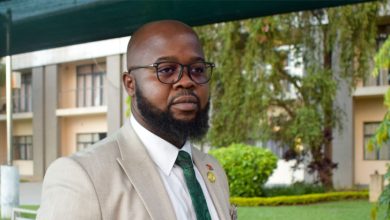
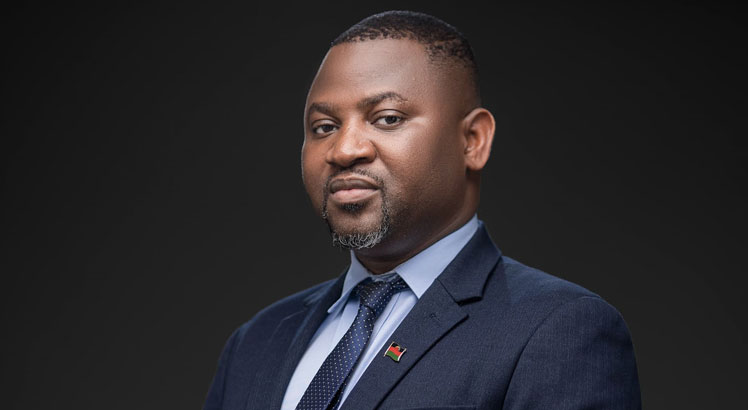
In this interview with our Staff Reporter ALLAN NYASULU, Centre for Social Accountability and Transparency (Csat) executive director Willy Kambwandira discusses the 12 inquiries, Parliament’s oversight powers and the challenges facing the process. Excerpts: Q: What is Csat‘s assessment of Parliament’s decision to open these 12 inquiries?
A: As Csat, we have received the Speaker’s announcement of the 12 inquiries with mixed feelings and reservations, while legislative scrutiny is necessary, the Parliament’s own history shows that parliamentary inquiries have too often been ceremonial exercises that consume taxpayers’ money, produce reports that gather dust and impose no consequences on those responsible. In practice, they have become a systematic way of creating an illusion of accountability while quietly closing scandals. Unless Parliament publishes every report within strict deadlines, names of the responsible individuals, refers criminal matters for prosecution and monitors implementation of its recommendations, these 12 inquiries will be nothing more than a political theatre designed to bury scandals rather than uncover the truth. Until these 12 inquiries deliver transparent findings, firm sanctions, prosecutions and recovery of public funds, there is absolutely nothing to celebrate. Their mere announcement is not accountability, but could simply be another political spectacle designed to deceive Malawians and bury scandals.
Q: What must Parliament do to ensure that the inquiries produce accountability and consequenses?
A: Our Parliament must stop serving partisan interests and reclaim its constitutional duty to serve Malawians by conducting independent, time-bound inquiries, publishing all findings and ensuring that recommendations result in prosecutions, recovery of public funds and sanctions against responsible officials without sacred cows. This demands genuine separation of powers. Parliament must resist and publicly denounce executive overreach instead of behaving like an extension of the Executive. Members of Parliament must never allow themselves to be used as pawns of either the party in power or the opposition; their allegiance must be to the Constitution, the public interest and the people they represent not party leaders or political establishments. Malawians must also rise, organise and relentlessly demand parliamentary accountability because a Parliament that cannot hold power to account has betrayed the people it represents.
Q: How can Malawians tell whether these inquiries are being conducted genuinely and independently?
A: Malawians should judge these parliamentary inquiries by evidence not parliamentary rhetoric; whether committees investigate without fear or favour, summon all implicated officials regardless of political status, hold transparent hearings, publish complete reports within firm deadlines, and ensure that recommendations lead to prosecutions, recoveries and administrative sanctions. Parliament must demonstrate that it is an independent arm of government not an extension of the Executive arm or a ruling party by publicly resisting and denouncing every attempt at executive or political interference in its oversight role. If the inquiries end in secrecy, selective questioning, delayed reports and no consequences, Malawians should rightly regard them as political theatre designed to bury scandals rather than uncover the truth.
Q:What can Parliament do when officials or other witnesses refuse to cooperate with an inquiry?
A:Parliament is not a powerless talking shop under Section 60 of the Constitution. It can investigate, subpoena any person or officeholder, compel attendance and treat an unjustified failure to appear as contempt, subject to due process. Yet, repeated cases in which senior government officials and private citizens disregard parliamentary summons without visible consequences dangerously portray Parliament as a toothless oversight body. The Speaker must decisively invoke the necessary constitutional, standing order and legal enforcement mechanisms to sanction defiance and where appropriate, refer obstructive conduct to relevant law-enforcement institutions. A Parliament whose summons can be casually ignored cannot credibly hold the executive or anyone else accountable.
Q: What do you see as the biggest threat to the credibility of these inquiries?
A:The greatest threat to the credibility of these parliamentary inquiries is executive overreach, entrenched corruption and political interference designed to shield powerful individuals from scrutiny. The Speaker must remain firm, resist intimidation and partisan distractions, and ensure that Parliament follows the evidence wherever it leads without fear, favour or political compromise. The President must demonstrate genuine support through action, not rhetoric, by allowing Parliament to exercise its constitutional oversight mandate independently and ensuring that no official obstructs or undermines the process. If these inquiries are manipulated, delayed or reduced to political theatre, Parliament will merely provide institutional cover for corruption and deepen public mistrust. Malawians expect truth, accountability and consequences not another expensive ceremony for burying scandals.
Q:The Democratic Progressive Party (DPP) has since said Parliament’s oversight should not create a “competing centre of authority” or undermine the President and his government. What do you make of the party’s position?
A:The DPP’s statement is deeply troubling and must be condemned as a direct threat to parliamentary independence and the constitutional separation of powers. Parliament is not a subordinate department of the executive nor an extension of the ruling party. Parliamentary robust oversight does not in any way amount to creating a “competing centre of authority”; it is Parliament fulfilling its constitutional duty to scrutinise government, investigate alleged wrongdoing and protect the public interest. Such political intimidation risks weakening the inquiries before they even begin and creates the disturbing impression that the ruling party fears accountability. President Peter Mutharika must publicly and unequivocally denounce this statement, guarantee that no Cabinet minister, official or public institution will obstruct Parliamentary inquiries, and assure Malawians that his government will fully cooperate with Parliament. Anything less will raise legitimate suspicion that the Executive wants oversight only when it is politically convenient and harmless.