African policymakers and climate experts have raised fresh concerns over the effectiveness of global climate financing mechanisms.
They have since warned that structural weaknesses in Malawi and elsewhere are limiting access to critical resources meant to address climate shocks.

The concerns emerged during a high-level panel discussion on accessing loss and damage financing in Lilongwe on Thursday where speakers argued that the challenges in African countries, including Malawi are no longer just a funding gap, but a deeper system design failure.
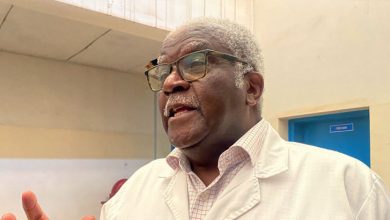
In his presentation, Pan-African Climate Justice Alliance head of policy and advocacy Philip Kilonzo said while global frameworks have evolved, they continue to fall short on actual financing.
“We got 59 indicators agreed under the global goal on adaptation, but there was no progress on means of implementation. Without financing, these framework remain largely aspirational,” he said, referring to climate negotiations at UN Conference of Parties (COP 30) on Climate Change held in Brazil.
Kilonzo noted that although climate finance commitments have increased, much of the support remains inaccessible or poorly structured, often delivered as loans rather than grants.
“African countries are borrowing left, right and centre to implement climate action and yet this is still counted as climate finance,” he said, questioning the credibility of current funding models.
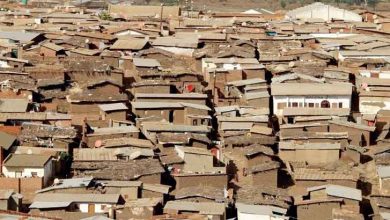
He argued that the system is failing to respond to the urgency on the ground, where countries like Malawi continue to face recurring floods, droughts and infrastructure damage.
Across the discussions, experts stressed that global financing systems are slow, fragmented and difficult to access, leaving vulnerable countries exposed despite growing climate risks.
However, attention also turned inward, with some participants warning that African countries may not be fully prepared to absorb and utilise available financing.
World Resources Institute representative Spencer Ngoma urged governmentsto strengthen institutional readiness if they are to effectively access and deploy climate funds.
“I am worried about the internal readiness. How ready are we?” he said, cautioning that weak national systems could undermine financing opportunities.
Other contributors highlighted governance and accountability gaps as key constraints.
One participant further noted that accountability mechanisms remain weak, with governments often shifting responsibility to civil society instead of strengthening their own systems.
“Accountability cannot just be the responsibility of non-State actors,” said the participant, calling for stronger institutional frameworks and oversight mechanisms.
The discussions also exposed growing frustration with the global climate finance architecture, with some voices questioning whether the system can deliver meaningful reforms.
Another participant, James Kasebe argued that the loss and damage agenda has gradually shifted away from its original focus on compensation and justice.
“Ultimately, we need to go back to polluter’s pay,” he said, warning that technical frameworks risk diluting the political responsibility of major emitters.
Kasebe questioned the viability of reforming global financial institutions.
“This is a system that is incapable of reforming itself,” he said, suggesting that African countries need to explore alternative pathways, including reducing dependence on global financial systems.
Kilonzo further emphasised the need for pragmatic reforms, including shifting toward grant-based financing, debt relief and restructuring multilateral development banks to better serve vulnerable economies.
He said Africa should align climate finance discussions with broader economic reforms, including debt sustainability and tax justice.
The regional conference was held under the theme ‘Advancing sustainable, equitable and just financing and technical support for loss and damage in Africa’.