The Reserve Bank of Malawi (RBM) has urged small and medium enterprises (SMEs) to utilise the Comesa Digital Payment and Settlement System for cross-border trade using local currency to save foreign exchange.
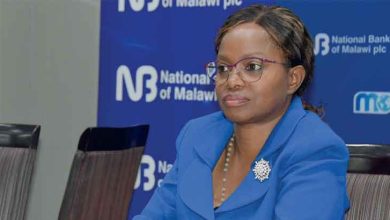
RBM Deputy Governor for Operations Kisu Simwaka said this on Friday in Lilongwe at the Common Market for Eastern and Southern Africa (Comesa) workshop on regional payment and system to enlighten stakeholders on the platform and its usage.

The workshop, organised in collaboration with Comesa Clearing House, was held at a time the platform is being piloted for cross-border trade between Malawi and Zambia ahead of its extension to the 21-member Comesa bloc in April this year.
In an interview, Simwaka described the digital payment platform as a relief to local retail cross-border traders because it offers seamless transactions with real-time payment in local currency.
He said: “The platform allows trade to be conducted using local currencies within the region and, therefore, it helps to reduce overreliance on foreign exchange when we want to trade within the region.
“It also helps to reduce some of the costs that traders and Malawians face when trading across the border.”
Comesa Clearing House executive secretary Jedidiah Ndebele said the platform has been developed to accommodate SMEs after noting that the economies of member States are driven by this sector, but was being sidelined in the regional payment infrastructure.
He said: “There are many barriers to trade and one of those barriers is payment because businesses are not able to do payment seamlessly with less costs.
“We have our regional payment settlement system, which has been in operation for over 10 years now and we are now responding to the needs of the market by going to the retail sector.”
Ndebele said through the payment system, SMEs will not be facing risks of carrying cash when doing cross-border trade, thereby reducing risks of delayed payments.
Bankers Association of Malawi president Phillip Madinga said the platform is an opportunity for both corporates and SMEs to import processing equipment using local currencies.
“If you look at our region, especially our neighbours such as Tanzania, Zimbabwe and Zambia, there is already advanced trade that happens there,” he said.
Madinga, who is also Standard Bank Malawi plc chief executive, said this is an opportunity for SMEs to import equipment for agro-processing to add value to local products.
Comesa chief operating officer Jonathan Pinifolo said the platform integrates both banks and non-bank financial players, including financial technology and mobile-money operators.
“The digital retail payments platform will remove dependency on hard-currency settlements and empower African traders to trade more efficiently, securely and inclusively,” he said, observing that Malawi’s early adopters include TNM Mpamba, FDH Bank plc and Finca Malawi.
Comesa secretary general Chileshe Mpundu Kapwepwe is on record having said the platform “offers speed, affordability and trust above all, dignity for the woman trader who can now travel safely without cash”.
The World Bank’s Global Findex 2025 report indicates that 61 percent of adults in developing economies now make or receive digital payments, with sub-Saharan Africa recording the fastest growth.