During this year’s Kamuzu Day holiday on May 14, social media was flooded with advertisements featuring a popular meme of Greg Heffley and Rowley Jefferson from the Diary of a Wimpy Kid series.
This trend was adopted across the board, appearing in promotions from small local shops and large private brands to State-owned companies, universities and even government regulators.
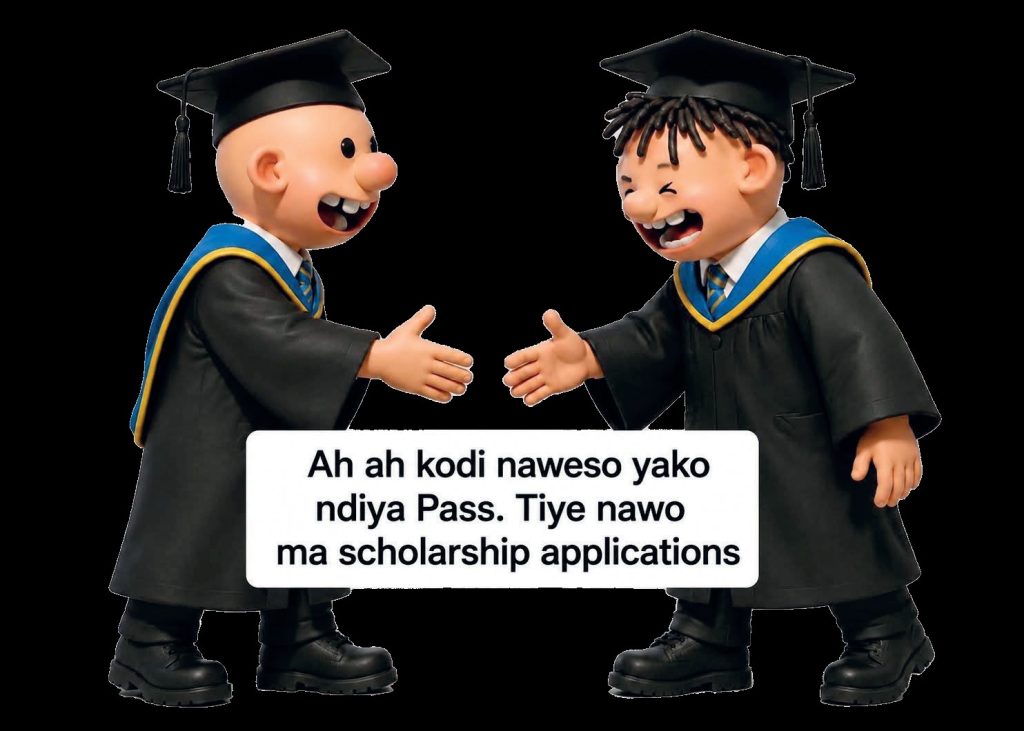
While these drawings provided brands with an easy way to join the online conversation, the mass participation also created serious risks. These characters are protected by law as trademarks and copyrights.
In a world where businesses are desperate for attention, likes and shares, advertisers must remember that following a trend does not give them legal permission to use someone else’s work.
Many marketers wrongly believe that if something goes viral, everyone can use it for free.
Unlike general memes that feature objects that are not copyrighted, characters such as Greg and Rowley are private assets protected by international copyright law.
The creator, Jeff Kinney, earns money from these characters through books, movies, and toys. When a brand uses these characters to sell a product without permission, they are using someone else’s property for their own profit, making themselves liable.
Observations of various adverts during the holiday revealed three types of usage. First, some institutions, including a financial firm and a local university, used the characters exactly as they appear in the books.
Second, a bank and a government office used the characters as a joke, perhaps hoping it would be seen as “fair use.” Third, a telecommunications company and another university tried to change the drawings slightly to make them look different from the originals.
However, even altering the art is risky. The law protects the original creator from the production of “derivative works,” including those generated using artificial intelligence.
AI is capable of replicating copyrighted work with high precision. Therefore, if marketers use it to recreate a character that remains recognisable, it is still an infringement. Ultimately, legal safety comes from creating original content, not just making small changes to someone else’s property.
Lessons from global precedents
The belief that “no one will notice us in Malawi” is a dangerous fallacy. In today’s connected world, digital footprints are permanent and easily discoverable.
In 2021, Warner Music demanded payment from organisations that joined the Jerusalema dance challenge.
Even though it was a global trend, businesses were held responsible for using the music without paying for it.
There are many other examples of people being sued for using photos or data without permission. These cases show that creative work belongs to the person who made it. When Malawian brands ignore these rules, they show a lack of respect for the rights of creators.
Local precedents also exist. The artist Jetu filed a complaint with Copyright Society of Malawi (Cosoma) against MultiChoice Africa for using her song Chakwaza in an advert without her permission.
“We just saw the advert on television. As far as we are concerned, we never gave permission for the usage of Jetu’s song in any advert,” said Jetu’s manager Emm Dee then.
The prevalence of similar advertisements points to a broader challenge: a tendency for organisations to prioritise immediate reach over the long-term investment in unique creative development. Relying on established, third-party intellectual property instead of cultivating original concepts can inadvertently signal a reliance on external narratives. While borrowing fame offers instant visibility, this approach carries significant legal and financial risk, potentially resulting in substantial penalties and damage to a brand’s standing.
The ethical imperative
A campaign that gains attention by breaking the law is a disaster in the making. While social media teams often feel pressured to “jump on” every trend to stay relevant, this urgency should never override the need for legal and ethical due diligence. Most social media accounts are managed by junior staff; they require oversight and support that encourages creativity while safeguarding corporate reputation.
Infringement by accident is just as serious as doing it on purpose. Ethical marketing is rooted in respect for fellow creators. When a brand uses a character they did not create, they are essentially misappropriating an artist’s hard work for corporate profit. This undermines the very creative industry that marketers depend on.
A few years ago, various local companies, following social media trend used the now famous phrase ‘Can you do me a favour?’ following Nation on Sunday Candid Talk columnist Edith Gondwe’s ground breaking entry titled the same. I believe these companies used the phrase without compensating the author.
Marketers must start asking: “Who owns this?” before they ask “How can we make this go viral?” A brand that wants to be trusted cannot have social media pages that ignore the law.
The recent meme trend is a wake-up call for Malawi’s marketing industry.
*Mallick Mnela is a chartered marketer and an international award-winning journalist. He is a postgraduate student in digital marketing.