The Department for Refugees under the Ministry of Homeland Security says Dzaleka Refugee Camp in Dowa is hosting about 60 000 refugees registering over 250 newborns and about 200 new asylum seekers monthly.
The department’s deputy commissioner for Refugees Ivy Chihana said having close to 500 additional people every month is putting a strain on the facility which was designed to accommodate 12 000 people.

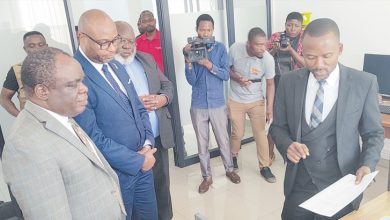
Speaking in Lilongwe on Wednesday during a stakeholders engagement convened by the Malawi Human Rights Commission (MHRC) for the department, the media and civil society to discuss refugee rights in the country, she said this is further stretching the already lean resources that are expected to be distributed among the refugees.
“This is a very critical situation. We are adding about 500 new members every month to over 60 000 refugees that are already in this refugee camp that was initially built to host only 12 000 refugees,” said Chihana.
She said about 50 percent of the asylum seekers come from the Democratic Republic of Congo (DRC) while the rest are from countries such as Burundi, Rwanda, and Ethiopia.
In his remarks, MHRC director of civil and political rights Peter Chisi said the situation deprives families in the camp of human dignity as they are allocated very little space which leaves family members with little privacy.
He said: “The refugees and asylum seekers are not adequately provided for. There is a need to address the entry of new asylum seekers in the country.
“There is also need for Sadc [Southern African Development Community] region leadership to intervene and ensure that there is peace in the region especially in the DRC. That would help reduce the influx of asylum seekers in the country. Otherwise we are sitting on a time bomb.”
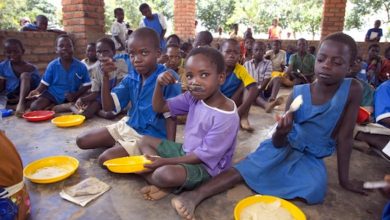
Meanwhile, the overall state of food security and nutrition at Dzaleka has been deteriorating, mainly due to rising food prices, a surge in the number of refugees at the camp and the scaling down of support by the United Nations High Commissioner for Refugees (UNHCR) which has been providing assistance in the camp since 1994, when it was established.
As of March 31 this year, UNHCR had only received 12 percent of the $26.3 million required to adequately support refugees and asylum-seekers in the camp, crippling the UN body’s ability to meet the protection, assistance and livelihood needs of the refugees. Before scaling down, the UNHCR had 71 officers, but now the workforce has been reduced to six.