We write months after Cyclone Jude tore through Malawi, displacing communities and destroying ecosystems and infrastructure.
Jude, Filipo, Freddy, Gombe, Ana and Idai are not names of a happy family, but cyclones that have disrupted lives, communities and economies forever. In our lifetimes, we have experienced countless droughts and floods.
We have repeatedly faced the devastating climate crisis that we did not cause. Our country, home to over 21 million people, emits less than 0.03 percent of global carbon emissions, yet we are hit with unrelenting cyclones, flooding, landslides and drought.
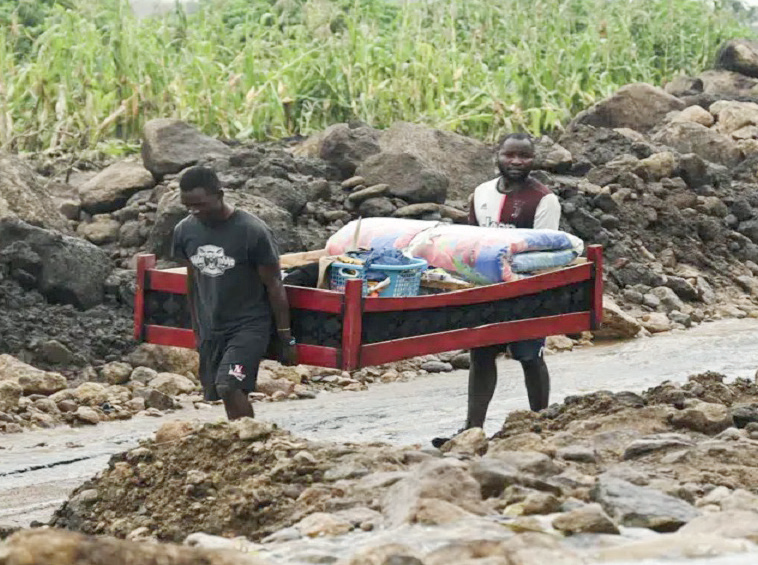
Freddy in southern Malawi. I Nation
Coal, oil and gas are fuelling the climate-related loss and damage. These substances account for nearly 90 percent of carbon emissions released in the last decade. These emissions fuel disasters wrecking our vulnerable nations. As wealthy nations incessantly exploit fossil fuel expansion beyond the climate targets set by the Paris Agreement, the disasters only hit harder.
Meanwhile, the international community’s climate financing has fallen well short of the needs of the most affected, as seen in last year’s UN climate talks in Baku.
The fossil fuel industry, the architects of our climate collapse, need to be held accountable. More fossil fuels means more loss and damage. Climate-vulnerable countries cannot take it anymore.
The call for a Fossil Fuel Non-Proliferation Treaty is a lifeline for vulnerable nations like ours. The proposed global plan to end coal, oil and gas expansion and harness a fair and financed transition from fossil fuels to an equitable and prosperous renewable era, has inspired over a million people, thousands of organisations, hundreds of cities and subnational governments and 17 nations to make this a reality.
The proposed initiative would complement the Paris Agreement bya tackling fossil fuel, the root cause of climate breakdown.
Evans Njewa, Malawi’s chair of the Least Developed Countries (LDCs) Group says “1.5°C-aligned action is a lifeline for our planet.”
The proposed treaty is grounded in equity. It recognises that the climate crisis fundamentally widens inequalities.
The wealthiest nations that have profited and polluted the most must phase out their fossil fuel extraction first and fastest, pay their fair share, providing finance and facilitating open technology transfers for developing nations to propel their transitions.
This is something Malawi and our continent urgently need.
The narrative that fossil fuels are a prerequisite for Africa’s development, largely pushed by the fossil fuel industry, only serves to lock our continent further into dependence on harmful and outdated pathways.
Fossil fuels have not only failed to power our people, they have fueled violence, debt burdens, food insecurity climate breakdown, health harms and mass displacement.
It is an unnecessary paradox that as a continent, we are stricken with energy poverty. Currently, over 600 million people remain in the dark, yet Africa is blessed with the highest renewable energy potential.
To overcome this massive energy access gap, build climate resilience and tackle economic inequality, international solidarity and cooperation are essential.
In the buildup to this month General Elections, we have joined civil society organisations across Malawi in the Renewable Malawi Pledge.
Together, we are calling on all political candidates contesting in the upcoming elections to commit to our collective demands to boost climate resilience and deliver renewable energy access.
In Malawi , we a re committed to carving a new path and electrifying our people with a renewable future.